
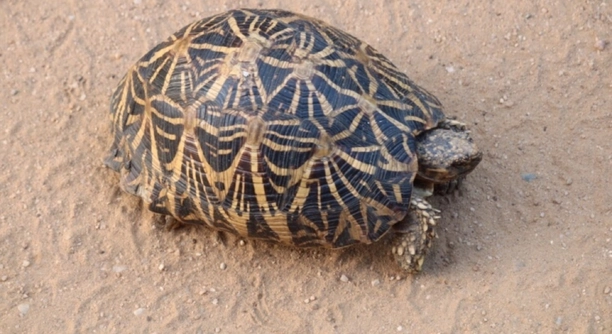
Indian Star Tortoises are well-loved for their unique appearance and gentle nature. However, if you notice your tortoise shaking its head, it may signal something beyond normal behavior. Understanding the cause can help ensure your pet’s health.
Head shaking in Indian Star Tortoises is often due to respiratory issues, dehydration, or stress. Environmental factors, such as temperature or humidity fluctuations, can also contribute. Identifying and correcting these causes is essential for their well-being and comfort.
Addressing the underlying cause will ensure your tortoise is healthier and happier. Proper care and environmental adjustments can significantly reduce discomfort for your pet.
Possible Causes of Head Shaking in Indian Star Tortoises
Head shaking can be a sign that something isn’t right with your tortoise. One of the main causes is respiratory infections, often linked to poor humidity levels or sudden temperature changes in their environment. If the enclosure is too cold or too dry, it can lead to difficulty breathing, causing the tortoise to shake its head as an attempt to clear its airway. Another cause is stress, which can result from changes in the environment, handling, or even the presence of other pets. Stress-induced head shaking may be accompanied by other behaviors like lethargy or a lack of appetite.
A lack of proper hydration can also lead to dehydration, which affects overall health and can result in head shaking. Dehydration weakens the tortoise’s immune system and may make it more susceptible to infections. If your tortoise has dry or flaky skin, it could be an indication of insufficient water intake.
Ensure the habitat is well-maintained, with proper temperature, humidity, and a regular water source to prevent health issues from occurring.
How to Address the Issue
To resolve head shaking, start by assessing the living environment of your tortoise. Proper humidity and temperature are key factors in preventing respiratory infections. Regularly mist the habitat to maintain humidity, and ensure the enclosure remains between 80 to 90°F during the day. Additionally, avoid placing your tortoise in areas that experience drafts, as these can exacerbate respiratory issues.
If dehydration is the issue, offer water in a shallow dish, allowing your tortoise to drink freely. You can also soak it in lukewarm water for 10 to 15 minutes to help with hydration. If the shaking persists, consult with a veterinarian who specializes in reptiles to rule out any more serious underlying conditions. They can recommend antibiotics or other treatments if an infection is present. Keeping the enclosure clean and making sure your tortoise has access to a balanced diet will help maintain its overall health.
Additional Considerations
Apart from hydration and humidity, make sure that your tortoise’s diet includes plenty of greens and vegetables to boost its immune system. Offering food high in moisture, such as cucumbers or watermelon, can also help keep your tortoise hydrated.
Environmental Factors Affecting Head Shaking
Temperature and humidity play a significant role in your tortoise’s health. If the environment is too cold or dry, it can lead to respiratory issues, which often result in head shaking. Ensure your tortoise’s enclosure maintains a steady temperature range of 80-90°F. The humidity should also be kept at an appropriate level, typically around 60-70%, to prevent dehydration or respiratory stress.
Check the placement of your tortoise’s enclosure. A drafty area or a space with fluctuating temperatures will increase the risk of respiratory infections. Installing a thermostat or humidity monitor can help maintain stable conditions. The substrate should also be absorbent enough to keep the environment clean and prevent any additional stress from accumulated waste. If the humidity drops too low, use a humidifier or place a shallow water dish inside the enclosure to maintain proper levels. The overall goal is to create a comfortable and consistent habitat for your tortoise.
Stress and Handling
Stress can also trigger head shaking in Indian Star Tortoises. They are naturally shy creatures and prefer stable environments. Frequent handling or sudden changes to their habitat can cause anxiety, leading to behaviors such as head shaking. If you notice your tortoise becoming stressed, it’s important to reduce handling and make their environment more predictable.
Make sure that their living space remains calm and quiet, free from loud noises or the presence of other pets that may cause distress. If introducing a new item or creature to the enclosure, do so gradually to avoid overwhelming your tortoise. Avoid picking them up unnecessarily, as this can be a source of stress. Instead, provide a secure, private space where they can retreat when feeling anxious. Understanding your tortoise’s behavior and responding to its need for solitude can go a long way in reducing stress-related head shaking.
Respiratory Infections
Respiratory infections are a common cause of head shaking in tortoises. These infections are often caused by improper environmental conditions, such as low humidity or cool temperatures. Symptoms may include wheezing, nasal discharge, or labored breathing. Addressing these factors can help prevent infections from developing.
If you suspect your tortoise has a respiratory infection, it’s crucial to consult with a reptile vet. Antibiotics may be needed to treat the infection, depending on its severity. Maintaining a clean and stable environment will reduce the likelihood of future infections. In severe cases, the vet may recommend additional treatments to support your tortoise’s health.
Hydration Issues
Dehydration can lead to discomfort and head shaking. When tortoises do not get enough water, their body functions become impaired, and this can manifest as shaking or lethargy. Offering water regularly can prevent dehydration.
Make sure your tortoise has access to fresh, clean water every day. You can also soak it in lukewarm water for 10-15 minutes to help rehydrate. This extra step encourages your tortoise to drink and helps replenish lost fluids.
Stress-Induced Head Shaking
In addition to environmental factors, stress can cause head shaking in your tortoise. Stress may be triggered by sudden changes in the environment or handling. Keeping your tortoise’s habitat stable and quiet can help minimize stress.
FAQ
Why is my Indian Star Tortoise shaking its head?
Head shaking in your Indian Star Tortoise can be a sign of stress, respiratory infection, or dehydration. It’s important to assess the environment first, ensuring it’s not too cold or dry. Stress from handling or sudden changes can also trigger this behavior. If the shaking persists, a vet visit is recommended to rule out infections or health issues.
How can I prevent head shaking in my tortoise?
Preventing head shaking starts with maintaining a stable environment. Keep the temperature between 80-90°F and humidity at 60-70%. Avoid sudden temperature drops or drafts. Ensure your tortoise has access to clean water and avoid frequent handling that may cause stress. Regular cleaning of the enclosure and providing enough space to move freely can help reduce stress-related head shaking.
Is head shaking always a sign of illness?
Not always. While head shaking can indicate illness, it may also result from stress or environmental factors. For example, if the enclosure is too cold or the humidity is too low, it can cause discomfort that leads to head shaking. Always check the habitat first before considering a medical issue.
Can a tortoise get too cold?
Yes, tortoises are sensitive to cold temperatures. If the enclosure falls below 80°F, it can lead to respiratory problems or stress, both of which may cause head shaking. It’s essential to keep the enclosure warm and stable to prevent any health issues.
How can I tell if my tortoise is dehydrated?
Dehydration in tortoises can be difficult to spot at first, but common signs include lethargy, dry skin, and sunken eyes. If your tortoise is not drinking enough water, you may notice them becoming more sluggish. Offering a water dish, soaking them in lukewarm water, and providing hydrating foods like cucumbers can help keep them hydrated.
Can I treat my tortoise’s respiratory infection at home?
Mild respiratory infections may improve with improved humidity and temperature control. However, it’s best to consult a veterinarian for treatment. Antibiotics may be required to fully address the infection. Delaying treatment can lead to more serious complications, so it’s important to get professional advice if you suspect an infection.
Should I be worried if my tortoise is shaking its head after eating?
Occasional head shaking after eating may not be a cause for concern, especially if it seems like they’re just clearing food or debris from their mouth. However, if this behavior becomes more frequent or persistent, it’s best to evaluate the environment and check for possible health issues.
Can I use a heat lamp to regulate my tortoise’s temperature?
Yes, a heat lamp is a useful tool to maintain the correct temperature for your tortoise. Place the lamp on one side of the enclosure to create a temperature gradient, allowing your tortoise to move between warmer and cooler areas. Be sure the lamp is not too close to the enclosure to avoid overheating.
How do I know if my tortoise is stressed?
Signs of stress in tortoises can include frequent head shaking, hiding more than usual, loss of appetite, or excessive pacing. Stress can also result from handling, sudden environmental changes, or the presence of other pets. Reducing handling and ensuring a calm, stable environment can help alleviate stress.
What is the best way to clean my tortoise’s enclosure?
Regular cleaning is essential to maintaining a healthy environment for your tortoise. Remove any uneaten food, waste, or soiled bedding daily. Use reptile-safe disinfectants to wipe down surfaces, and replace the substrate regularly. Be sure to clean any water dishes to prevent bacteria buildup.
Can I give my tortoise a warm bath to help with head shaking?
Yes, soaking your tortoise in lukewarm water for 10-15 minutes can help with dehydration and provide comfort. It may also encourage them to drink more water. However, it’s not a substitute for addressing the root cause of head shaking, such as temperature, humidity, or infection.
Is it okay to have more than one tortoise in the same enclosure?
While it is possible to house more than one tortoise together, it’s important to monitor their interactions. Tortoises can become territorial and may experience stress if housed together. If you notice signs of aggression or stress, it’s best to separate them to avoid any potential health issues.
Final Thoughts
Understanding why your Indian Star Tortoise is shaking its head can help you address the problem early. It’s essential to first rule out environmental factors like temperature and humidity. These tortoises are sensitive to their surroundings, so maintaining the right conditions is key to their well-being. If the habitat is too cold or too dry, head shaking may occur. Always check that the temperature stays between 80-90°F and that the humidity is at the right level. This simple step can make a significant difference in preventing discomfort and health issues.
If you’ve already checked the environment and made necessary adjustments, it’s important to consider health issues like respiratory infections or dehydration. A respiratory infection can cause head shaking, along with other symptoms like wheezing or nasal discharge. If these signs appear, it’s best to consult a veterinarian. Dehydration can also lead to shaking, so ensuring that your tortoise has constant access to fresh water is crucial. Soaking your tortoise in lukewarm water occasionally can also help rehydrate them. These are basic but effective steps that can help maintain your tortoise’s health.
In any case, paying attention to your tortoise’s behavior is essential. While occasional head shaking may not be a concern, persistent or frequent shaking should be addressed promptly. Stress, improper care, and health problems all play a role in causing this behavior. By keeping a clean and stable environment and monitoring for any signs of illness, you can help prevent and manage head shaking in your Indian Star Tortoise.

Hello,
If you enjoy the content that we create, please consider saying a "Thank You!" by leaving a tip.
Every little bit helps us continue crafting quality advice that supports the health, happiness, and well-being of pets around the world, for pets of all shapes, sizes, and species.
We really appreciate the kindness and support that you show us!