
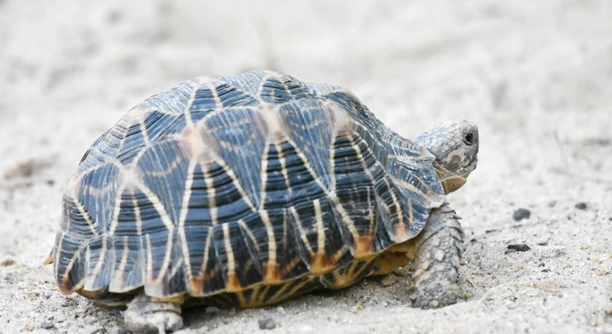
Is your Indian star tortoise spending a lot of time near the water dish? This behavior may seem unusual, but it often has a logical explanation. Understanding the reasons behind it can help you ensure your pet’s well-being.
The most common reason your Indian star tortoise stays near the water dish is dehydration. Tortoises need proper hydration for digestion, shell health, and overall well-being. A dry environment or inadequate water intake may cause them to linger near the dish.
Many factors, such as humidity levels, diet, and temperature, can influence your tortoise’s hydration needs. Exploring these aspects will help you determine whether your pet is simply comfortable or experiencing an issue that requires attention.
Dehydration and Hydration Needs
Indian star tortoises require consistent hydration to stay healthy. If the enclosure lacks proper humidity or fresh water, your tortoise may instinctively stay near the water dish. Dehydration can lead to digestive issues, lethargy, and shell problems. Providing a shallow dish with clean water allows your tortoise to drink and soak as needed. Soaking helps with hydration, digestion, and shedding. Additionally, foods high in water content, such as leafy greens and cucumbers, can support hydration. Monitoring humidity levels and ensuring a well-balanced diet can prevent dehydration and keep your tortoise comfortable.
A dry habitat can cause your tortoise to seek out water more often. If you notice constant soaking, consider checking the humidity and adjusting the diet to include more moisture-rich foods.
Understanding how hydration affects your tortoise will help you create a better environment. Small adjustments to water access, food choices, and humidity can make a difference.
Temperature and Comfort
Tortoises regulate their body temperature by moving to warmer or cooler areas. If the water dish is in a cooler spot, your tortoise may stay nearby to escape excess heat.
The enclosure should have a temperature gradient with a basking area around 90°F and a cooler zone near 75°F. If the habitat is too hot, your tortoise might stay near the water dish to cool off. Similarly, if it’s too dry, the dish may provide a humid microclimate. Checking the temperature regularly with a thermometer can help you maintain the right conditions. Providing shaded areas, hiding spots, and a misted environment can prevent overheating.
Adjusting the enclosure setup can help your tortoise feel more at ease. Ensuring a balanced temperature, proper humidity, and access to both dry and damp areas will allow your tortoise to move freely without relying on the water dish for comfort.
Stress and Environmental Changes
Changes in the enclosure can cause stress, leading your tortoise to stay near the water dish. A new habitat, different substrate, or unfamiliar objects may make them seek comfort in a familiar spot. Minimizing sudden changes can help them feel more secure.
A noisy environment, frequent handling, or the presence of other pets may also contribute to stress. Tortoises prefer a calm space with minimal disturbances. If they feel threatened or overstimulated, they might retreat to the water dish as a safe zone. Ensuring their habitat is placed in a quiet area and limiting interactions can help reduce stress levels. Gradually introducing new elements, such as decorations or additional hiding spots, allows your tortoise to adjust without feeling overwhelmed.
If stress continues, checking for other factors like enclosure size, lighting conditions, or changes in routine can help. A consistent daily schedule, with regular feeding and lighting cycles, creates stability. Keeping their environment stable reduces unnecessary stress.
Health Concerns
A tortoise spending excessive time near the water dish could indicate a health issue. Conditions such as respiratory infections, parasites, or metabolic imbalances may cause them to behave differently. Other symptoms, like lack of appetite, lethargy, or unusual stool, may accompany these issues. A veterinarian can assess their condition if needed.
Shell problems, such as pyramiding or soft spots, may also contribute to changes in behavior. Poor diet, lack of UVB exposure, or improper humidity can affect shell health. Providing a well-balanced diet, maintaining proper UVB lighting, and ensuring the right humidity can prevent these issues. Regular shell checks can help identify early signs of problems before they worsen.
Observing other behaviors, like frequent soaking, excessive scratching, or difficulty moving, can help determine if medical attention is necessary. A healthy tortoise should be active, alert, and display regular eating and basking habits. If something seems off, seeking veterinary advice is the best option.
Dietary Factors
A lack of proper hydration in their diet can make a tortoise seek water more often. Leafy greens like romaine lettuce, dandelion greens, and hibiscus provide natural moisture. Dry foods, such as hay or pellets, should be balanced with fresh vegetables to support hydration.
Excess protein or an imbalanced diet can lead to kidney issues, making a tortoise drink or soak more frequently. Providing a variety of fibrous, calcium-rich foods helps maintain proper digestion and hydration. Regularly rotating fresh vegetables and monitoring food intake can prevent dietary-related health problems.
Natural Instincts
In the wild, tortoises often stay near water sources to soak, regulate body temperature, and aid digestion. Captive tortoises may display similar instincts, even if their habitat conditions are ideal. This behavior is not always a sign of distress but rather a natural preference.
Adjusting the Habitat
Ensuring the enclosure has proper humidity, a balanced diet, and comfortable temperature zones can help prevent excessive water-seeking behavior. Regularly checking water availability, offering proper hiding spots, and maintaining a stable environment will keep your tortoise comfortable. Small changes to the setup can make a big difference in their overall well-being.
FAQ
Why does my tortoise spend so much time in the water dish?
Tortoises may spend a lot of time near the water dish for several reasons. One of the main causes is dehydration. If the humidity in the enclosure is too low or they aren’t getting enough moisture in their diet, they’ll seek out water. Another reason could be temperature-related. If the enclosure is too warm or too dry, your tortoise might hang out by the water to regulate its body temperature. It could also be linked to natural instincts or stress, as the water dish might provide a sense of comfort or safety. Regularly monitoring the environment and ensuring they have access to both food and water can help reduce this behavior.
How can I ensure my tortoise gets enough water?
To ensure your tortoise is properly hydrated, you should provide a shallow water dish that’s easy for them to access. Change the water daily to keep it clean and fresh. You can also soak your tortoise in shallow, lukewarm water for about 15-20 minutes a couple of times a week, which mimics the soaking behavior they would do in the wild. Additionally, adding water-rich foods to their diet, such as cucumber and leafy greens, can help maintain hydration. The more hydration they get from food, the less they may need to rely on the water dish.
What temperature should my tortoise’s habitat be?
Your tortoise needs a temperature gradient to feel comfortable. One area should be warmer, around 90°F (32°C), for basking, while the other side of the enclosure should be cooler, around 75°F (24°C). This gradient allows them to regulate their body temperature by moving between the warm and cool zones. Ensure that the humidity levels are also balanced, as dry conditions can lead to dehydration. Monitoring the temperature with a thermometer and adjusting the heat source accordingly will help maintain these conditions.
Can my tortoise get too much water?
While it’s essential to provide access to water, tortoises generally can’t drink too much in the wild, and the same is true for captivity. However, excessive soaking may indicate other issues, such as stress, discomfort, or health problems like kidney disease. If your tortoise constantly soaks or spends too much time in the water dish, it’s important to check its health and environment. As long as the water is changed regularly, and the tortoise isn’t soaking excessively or showing signs of illness, there’s typically no harm in providing fresh water access.
What kind of diet helps with hydration?
To keep your tortoise well-hydrated, include a variety of water-rich vegetables in their diet. Leafy greens like dandelion greens, collard greens, and romaine lettuce are excellent choices. Vegetables such as cucumbers, bell peppers, and squash can also contribute to hydration. It’s important to avoid feeding too many dry foods, like hay or pellets, without offering moisture-rich foods alongside. A proper balance of vegetables, fruits (in moderation), and a small amount of protein will keep your tortoise hydrated and healthy.
Why is my tortoise not drinking from the water dish?
If your tortoise isn’t drinking from the water dish, it could be due to several factors. The water may not be at an ideal temperature, or the dish may be too deep or hard for them to access easily. Sometimes, tortoises can be shy about drinking in front of people or other animals. If you suspect your tortoise is dehydrated, try gently soaking them in lukewarm water for 15-20 minutes. This can help encourage drinking and hydrate them more effectively. Make sure the water dish is placed in a comfortable spot in the enclosure and cleaned regularly.
Can stress cause my tortoise to stay by the water dish?
Yes, stress can cause a tortoise to stay by the water dish. A new environment, changes in the enclosure setup, or the presence of other pets can make them feel anxious. If your tortoise is stressed, it may seek the water dish as a form of comfort or to cool down. Creating a stable, quiet environment with minimal disturbances can help reduce stress. Avoid moving the enclosure around too much, and offer hiding spots to make your tortoise feel secure. Over time, your tortoise should feel more at ease and return to its usual behaviors.
What are signs that my tortoise is not drinking enough water?
Dehydration in tortoises can show up in several ways. Look for signs such as lethargy, reduced activity, dry or flaky skin, and a lack of appetite. The shell may appear soft or may have irregularities. If your tortoise is showing any of these signs, it’s important to address the issue by adjusting the environment, increasing hydration sources like fresh vegetables, and offering regular soaks. If symptoms persist, consulting a veterinarian is recommended to rule out more serious health conditions.
How often should I soak my tortoise in water?
Soaking your tortoise once or twice a week is generally enough. However, if your tortoise seems particularly dehydrated or has not been drinking enough water, you can soak it more frequently. Aim for a shallow, lukewarm bath that allows the tortoise to soak comfortably for 15-20 minutes. Avoid soaking for too long, as excessive water exposure can lead to shell issues or stress. Always supervise your tortoise during the soak to ensure it doesn’t become distressed.
Is it necessary to provide a water dish for my tortoise?
Yes, it’s essential to provide a water dish for your tortoise. Even though they can get some hydration from food, they need access to water for proper digestion, shell health, and to regulate body temperature. Make sure the water dish is large enough for your tortoise to drink from and soak in comfortably. Change the water daily to keep it clean and fresh. Ensuring that your tortoise has constant access to water will help maintain its overall health and well-being.
It’s clear that there are many reasons why your Indian star tortoise might spend so much time near its water dish. It could be a sign of dehydration, temperature regulation, or even just a natural instinct to stay close to water. By making sure the environment is properly set up with the right humidity, temperature, and hydration options, you can help your tortoise feel more comfortable and stay healthy. Regularly changing the water and offering a variety of fresh vegetables can also help ensure they stay hydrated.
It’s also important to keep an eye on other behaviors that might indicate stress or health problems. If your tortoise seems to be staying near the water dish more than usual or is soaking excessively, consider if there have been any changes in the environment, such as new pets, noise, or handling. Sometimes, even small changes can make your tortoise feel stressed. By providing a stable, calm habitat, you reduce the chances of this happening. If you notice any signs of illness, such as lethargy or loss of appetite, it’s always best to consult a vet to rule out any health concerns.
Ultimately, understanding the reasons behind your tortoise’s behavior and making adjustments to its environment can help ensure its well-being. Regular observation is key, as small changes can often make a big difference in your tortoise’s comfort. Whether it’s adjusting the humidity, offering different foods, or ensuring their habitat remains peaceful, each small step helps create a better home for your tortoise. By staying attentive to their needs, you’ll help your tortoise live a long, healthy, and happy life.

Hello,
If you enjoy the content that we create, please consider saying a "Thank You!" by leaving a tip.
Every little bit helps us continue crafting quality advice that supports the health, happiness, and well-being of pets around the world, for pets of all shapes, sizes, and species.
We really appreciate the kindness and support that you show us!