
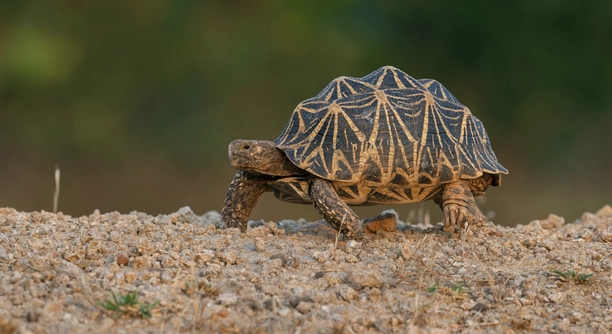
Are you planning to move your Indian Star Tortoise enclosure but feel unsure about the safest way to do it?
Relocating a tortoise enclosure requires careful planning to minimize stress and ensure a smooth transition. The key steps include choosing a suitable new location, maintaining proper environmental conditions, and handling your tortoise gently throughout the process.
A well-executed move will help your tortoise stay healthy and comfortable in its new home. Understanding each step will make the relocation process efficient and stress-free for both you and your pet.
Choose the Right Location
Selecting the best spot for your tortoise enclosure is essential for its well-being. Find a place with stable temperatures, proper lighting, and protection from extreme weather. If outdoors, ensure the area is safe from predators and has both sun and shade. Indoor enclosures should have enough space, proper ventilation, and a consistent temperature range. Avoid placing the enclosure near loud noises, frequent foot traffic, or direct air conditioning vents. Keep the ground level stable to prevent shifting or tilting. Once you have identified the right spot, double-check that it meets all necessary requirements before moving the enclosure.
A poor location can cause stress, health issues, and discomfort. Ensuring the enclosure is placed correctly will create a comfortable and safe environment for your tortoise.
Observing your tortoise’s behavior after relocation will help you determine if the new location meets its needs. Adjustments may be necessary for optimal comfort.
Prepare the New Space
Before moving your tortoise, make sure the new enclosure is fully prepared. Check the substrate, hiding spots, food and water dishes, and any heating or lighting elements. Everything should be in place before your tortoise arrives to prevent unnecessary stress.
Recreate the same setup as the previous enclosure to maintain familiarity. If possible, use the same substrate and decorations so your tortoise feels at ease. Ensure the temperature and humidity levels match the previous environment. For outdoor enclosures, confirm that fencing is secure and there are no gaps for escape. Double-check that all heat lamps, UVB lighting, and humidity controls are functioning properly. Avoid using new items with strong odors, as they can cause discomfort.
A well-prepared space will make the move smoother and less stressful for your tortoise. Once everything is set up, take a final look to ensure all essentials are in place before relocating your pet.
Safely Move Your Tortoise
Handle your tortoise gently to avoid injury or stress. Support its body with both hands, keeping it level to prevent discomfort. If it resists, wait until it calms down before lifting. Move it quickly but carefully to the new enclosure without unnecessary delays.
Use a secure, well-ventilated container if transporting over a long distance. Line the bottom with a soft towel or familiar substrate to provide comfort. Avoid exposing your tortoise to extreme temperatures during the move. Keep the container out of direct sunlight and away from loud noises. If driving, secure the container to prevent shifting. Monitor your tortoise’s behavior for signs of stress, such as excessive hiding or lack of movement.
Once placed in the new enclosure, allow your tortoise time to adjust. Avoid excessive handling for a few days. Provide fresh food and water, and observe how it interacts with the environment.
Monitor and Adjust Conditions
Check temperature, humidity, and lighting levels regularly to ensure they match the previous enclosure. Use thermometers and hygrometers to track changes. Sudden fluctuations can cause stress and health problems, so make gradual adjustments if needed. Observe your tortoise’s activity level to ensure it is comfortable in its new space.
If your tortoise is not eating or moving much, it may need more time to adjust. Keep the enclosure quiet and avoid unnecessary disturbances. Ensure all heat sources and UVB lights function properly. Make sure hiding spots and basking areas are positioned correctly. If issues persist, consider adjusting environmental factors such as light placement or substrate depth.
Providing a stable environment helps your tortoise settle in faster. Regular monitoring will ensure that any necessary changes are made quickly. A well-maintained enclosure supports good health and keeps your tortoise comfortable in its new home.
Maintain Routine and Diet
Keep feeding times and food choices the same to reduce stress. Sudden dietary changes can cause digestive issues. Provide fresh vegetables, leafy greens, and calcium supplements as usual. Ensure water is clean and accessible at all times to keep your tortoise hydrated.
Stick to the usual lighting and heating schedule. A consistent routine helps your tortoise feel secure in its new environment. Avoid unnecessary disruptions, such as moving decorations or frequently rearranging the enclosure. Stability is key to a smooth transition and overall well-being.
Watch for Signs of Stress
Lack of appetite, excessive hiding, or unusual lethargy can indicate stress. Some tortoises may take a few days to adjust, while others may need more time. Monitor behavior closely and provide a quiet, comfortable space. If signs of stress persist for over a week, consider consulting a reptile specialist for advice.
Keep the Environment Clean
Remove waste and uneaten food daily to maintain hygiene. Clean the water dish regularly to prevent bacteria buildup. A clean enclosure reduces stress and helps prevent health issues.
FAQ
How long does it take for a tortoise to adjust after relocation?
Most tortoises take a few days to a week to settle into a new enclosure. Some may adjust faster, while others might take longer. Monitor their eating habits and activity levels. If they seem stressed for more than two weeks, check environmental conditions and make small adjustments to improve comfort.
Should I move my tortoise during a specific time of day?
Moving your tortoise in the morning or early afternoon is best. This allows them to explore and adjust to their new space before nightfall. Avoid moving them late in the day, as they may become disoriented and stressed when trying to settle in for the night.
Can I change my tortoise’s enclosure setup after moving it?
It’s best to keep the setup as familiar as possible at first. Sudden changes can cause stress and confusion. After a few weeks, you can slowly introduce new decorations or adjustments. Make changes gradually, giving your tortoise time to adapt before making further modifications.
How can I tell if my tortoise is stressed after the move?
Signs of stress include hiding more than usual, refusing to eat, or acting lethargic. Some tortoises may also dig excessively or become restless. If these behaviors persist for over a week, check the enclosure’s temperature, lighting, and humidity to ensure they are within the ideal range.
What should I do if my tortoise refuses to eat?
First, make sure the temperature and humidity levels are correct. A cold environment can slow digestion and decrease appetite. Offer favorite foods like leafy greens or treats they enjoy. If your tortoise refuses food for more than a week, consult a reptile specialist to rule out health issues.
Is it normal for a tortoise to hide a lot after relocation?
Yes, hiding is a natural response to stress or unfamiliar surroundings. Provide a few secure hiding spots to help them feel safe. Over time, they should become more comfortable and explore their new space. If excessive hiding continues beyond two weeks, reassess the enclosure setup.
Can I handle my tortoise after moving it?
Limit handling for the first few days to allow your tortoise time to adjust. Too much interaction can add stress. Once they begin eating and acting normally, you can slowly reintroduce gentle handling in short sessions. Always support their body properly to prevent discomfort.
Should I bathe my tortoise after relocation?
A warm soak can help your tortoise stay hydrated and relieve stress. Use shallow, lukewarm water and let them soak for about 10–15 minutes. This can also encourage them to eat if they have been hesitant. Avoid frequent bathing, as it can dry out their skin.
What if my tortoise tries to escape the new enclosure?
Some tortoises may pace along the edges or attempt to climb out. This usually happens when they are unfamiliar with their surroundings. Ensure the enclosure is secure and spacious enough. If pacing continues, check that all environmental factors are correct and provide more hiding spots.
Do I need to monitor my tortoise closely after the move?
Yes, observe them daily for any changes in behavior, appetite, or movement. Early detection of stress or health concerns can prevent serious problems. Keeping a close eye on them for the first two weeks will help ensure a smooth transition and long-term comfort.
When can I introduce new items to the enclosure?
Wait at least two weeks before adding new decorations, plants, or hiding spots. Allow your tortoise to fully settle in before making any changes. When introducing new items, do so gradually and observe their reaction to ensure they feel comfortable.
How often should I clean the new enclosure after relocating my tortoise?
Daily spot cleaning is important to remove waste and uneaten food. A more thorough cleaning, including changing substrate and disinfecting surfaces, should be done every few weeks. A clean enclosure helps reduce stress and keeps your tortoise healthy.
Can I relocate my tortoise multiple times?
Frequent relocations can cause stress and disrupt their routine. Try to avoid unnecessary moves. If relocation is necessary, follow the same steps to ensure a smooth transition. Providing a stable and consistent environment is best for their well-being.
Final Thoughts
Relocating your Indian Star Tortoise enclosure requires careful planning and attention to detail. Choosing the right location, preparing the new space, and handling your tortoise gently will make the transition easier. Sticking to a familiar routine and monitoring their behavior will help them adjust without unnecessary stress. Providing a stable environment with proper lighting, temperature, and humidity is essential for their well-being. If you notice any signs of distress, small adjustments can make a big difference in helping your tortoise feel safe and comfortable in its new home.
Patience is key during this process. Some tortoises adapt quickly, while others take more time to settle in. Avoid sudden changes to their diet, enclosure layout, or routine, as this can increase stress. Limiting handling in the first few days allows them to explore and get used to their surroundings. Observing their eating habits, movement, and overall activity will help you determine if any changes are needed. If your tortoise refuses food for an extended period or displays unusual behavior, consulting a reptile specialist is a good idea.
Maintaining a clean and stable environment will support your tortoise’s long-term health. Regular enclosure maintenance, fresh food, and clean water are essential for their well-being. Small adjustments over time can help create an ideal space for your tortoise to thrive. With the right approach, relocating their enclosure can be a smooth process that ensures their continued comfort and happiness.

Hello,
If you enjoy the content that we create, please consider saying a "Thank You!" by leaving a tip.
Every little bit helps us continue crafting quality advice that supports the health, happiness, and well-being of pets around the world, for pets of all shapes, sizes, and species.
We really appreciate the kindness and support that you show us!