
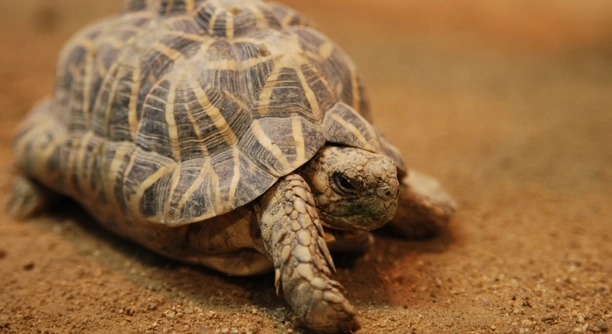
Indian star tortoises are popular pets known for their unique patterns and gentle nature. These animals require a varied diet to stay healthy and thrive. Understanding what to feed them is crucial for their wellbeing.
Indian star tortoises can eat cherries in moderation, but they should not be a regular part of their diet. Cherries are high in sugar and should only be offered as an occasional treat to avoid health problems.
Learn more about the best feeding practices for your tortoise and which fruits are safer to include in their diet.
Can Indian Star Tortoises Have Cherries?
Cherries are often seen as a sweet treat for humans, but they aren’t always the best option for pets. Indian star tortoises can technically eat cherries, but they should not be given too often. Cherries contain sugar, which isn’t ideal for a tortoise’s digestive system. Offering cherries occasionally as a treat is fine, but it’s important to make sure that the tortoise’s main diet consists of leafy greens, grasses, and other vegetables. Overfeeding sugary fruits can lead to health issues, such as obesity or digestive problems. Therefore, while cherries are not toxic, moderation is key.
The sugar in cherries can upset a tortoise’s sensitive digestive system, especially when they are fed in large quantities. Offering fruit too often can disrupt their balanced diet.
If you want to offer a variety of fruits to your tortoise, it’s best to focus on those that are lower in sugar and high in fiber. Fruits like berries or melon can be healthier choices. Keep in mind that fruits should only be an occasional part of their diet and shouldn’t replace the essential leafy greens. Always wash fruit thoroughly before feeding it to your tortoise to avoid pesticides or harmful chemicals.
How Often Can You Feed Cherries to Your Indian Star Tortoise?
Feeding cherries to your tortoise should be rare, perhaps once every few weeks.
When introducing cherries or any new fruit, it’s essential to observe your tortoise’s reaction. If it seems to have trouble digesting or shows signs of discomfort, stop offering cherries. Stick to safe, nutritious options.
Risks of Feeding Too Many Cherries to Indian Star Tortoises
Feeding cherries too frequently can cause harm to your tortoise’s health. High sugar content in cherries can disrupt their digestion and lead to weight gain. This can lead to further complications like shell deformities or difficulty moving.
Cherries contain a high level of sugar and are not naturally part of a tortoise’s diet. Too much sugar can lead to digestive issues such as diarrhea or bloating. Over time, this can affect your tortoise’s overall health, causing imbalances in their system. As a result, your tortoise may become lethargic or show less interest in eating healthier foods. These risks can be avoided by offering cherries only as an occasional treat.
It’s also important to note that cherries contain pits, which can pose a choking hazard. If you feed your tortoise cherries, make sure to remove the pit first to prevent any risk. The pit is also slightly toxic to tortoises if ingested in large amounts, so always be cautious when feeding them fruits with seeds.
Healthier Alternatives to Cherries for Indian Star Tortoises
There are many fruits and vegetables that are much better suited for your tortoise’s diet.
Leafy greens like dandelion greens, collard greens, and mustard greens are ideal and should be the main component of their diet. Fruits like apples (without seeds), pears, and berries can also be given in moderation. These fruits are lower in sugar than cherries and provide more nutritional benefits, including vitamins and fiber, which are vital for digestion and overall health. Always introduce new fruits or vegetables gradually and observe your tortoise for any signs of discomfort.
How to Safely Feed Cherries to Indian Star Tortoises
If you do decide to offer cherries, make sure they are prepared correctly. Wash them thoroughly to remove any pesticides or chemicals that may be present. Always remove the pit to avoid choking hazards or toxicity.
Offering cherries in small, bite-sized pieces is a safer way to feed them. Cut the cherry into tiny portions to prevent overeating and avoid any choking risk. This also helps to ensure that your tortoise can enjoy the treat without consuming too much sugar in one sitting. Moderation is key here, so make sure to only give small pieces on occasion.
Importance of Variety in a Tortoise’s Diet
Providing a variety of foods ensures a balanced and nutritious diet for your tortoise. Feeding only one type of food, like fruit, can lead to nutritional imbalances and health issues over time. A diet rich in leafy greens, vegetables, and safe fruits helps maintain their health.
A well-rounded diet promotes better digestion and overall energy. Mixing things up with a combination of plant-based foods is the best way to support your tortoise’s long-term health. When feeding your tortoise, aim for a balance of high-fiber foods, calcium-rich vegetables, and occasional fruit treats.
FAQ
Can Indian Star Tortoises eat all fruits?
Not all fruits are safe for Indian star tortoises. Some fruits, like apples, pears, and berries, are okay in moderation, while others like citrus or overly sugary fruits should be avoided. Always check which fruits are safe before feeding them. The key is variety and moderation. While fruits can be a treat, they should never replace the more important leafy greens and vegetables in their diet.
Are cherries toxic to Indian Star Tortoises?
Cherries are not toxic to Indian star tortoises in small amounts, but they should be fed with caution. The pits inside cherries contain cyanide, which is toxic in larger quantities. Additionally, the high sugar content in cherries can be harmful to their health over time if fed too often. Always remove the pit before feeding cherries to your tortoise to prevent any risks. Feeding cherries in small amounts as an occasional treat is the safest approach.
How often can I give cherries to my Indian Star Tortoise?
Cherries should only be given to Indian star tortoises as an occasional treat. You can offer cherries about once a month or every few weeks. Since cherries are high in sugar, they should not be a regular part of their diet. Consistently feeding them sugary fruits can lead to obesity and other health issues. Stick to feeding healthier options most of the time, such as leafy greens, and use fruits as an occasional snack.
What fruits are best for Indian Star Tortoises?
The best fruits for Indian star tortoises are those that are low in sugar and high in fiber. Safe fruits to offer include apples (without seeds), pears, and berries. These fruits are nutrient-rich and provide some variety without overwhelming their digestive system with sugar. Always offer fruit in moderation and make sure to wash it thoroughly to remove any chemicals or pesticides. Stick to a diet that is mostly made up of leafy greens and vegetables for the best health outcomes.
Can I feed my Indian Star Tortoise vegetables instead of fruits?
Yes, vegetables should be the main part of an Indian star tortoise’s diet. Leafy greens such as collard greens, dandelion greens, and mustard greens should make up most of their meals. Vegetables like squash, bell peppers, and carrots are also good options. These provide essential vitamins, minerals, and fiber that are important for their digestion and overall health. Vegetables are much more suitable for daily feeding compared to fruits, which should only be given occasionally.
Should I remove the seeds from fruits before feeding them to my Indian Star Tortoise?
Yes, it’s important to remove seeds from fruits before feeding them to your Indian star tortoise. Some seeds, like those in apples or cherries, can be toxic or pose a choking hazard. Always cut fruits into small, manageable pieces and make sure to remove any seeds or pits. This ensures that the tortoise can safely enjoy the treat without the risk of harm.
Is it okay to feed Indian Star Tortoises commercial tortoise food?
Commercial tortoise food can be used as a supplement but should not be the main component of their diet. These foods may not offer the same variety and nutrients as fresh vegetables and greens. It’s important to use them in moderation and as a supplementary option to fresh, natural foods. Make sure the commercial food is high-quality and appropriate for the species, and always offer a variety of fresh food items to ensure balanced nutrition.
What are the signs that my Indian Star Tortoise is not eating well?
Signs that your tortoise is not eating well include weight loss, lethargy, and a decrease in activity. If they’re refusing food, particularly leafy greens, this could be a sign of stress, illness, or an improper diet. It’s important to monitor their eating habits and ensure they are getting the right amount of nutrition. If these issues persist, it’s best to consult a veterinarian who specializes in reptiles to rule out any underlying health concerns.
Can Indian Star Tortoises eat grass?
Yes, grass is an essential part of an Indian star tortoise’s diet. They naturally graze on grasses in the wild, which provides them with much-needed fiber. Ensure that the grass you offer is pesticide-free and safe for consumption. You can also grow your own tortoise-safe grass or purchase it from pet stores. Grass should be a staple food, along with leafy greens and vegetables.
How can I make sure my Indian Star Tortoise has a balanced diet?
To ensure your tortoise has a balanced diet, focus on providing a variety of leafy greens, vegetables, and a small amount of safe fruit. Include calcium-rich vegetables like kale or turnip greens to support their shell growth. Avoid overfeeding fruits and stick to fibrous vegetables that help with digestion. Always make sure to offer fresh, clean food and avoid feeding anything that may be harmful, such as processed or sugary foods. Regularly change their diet to prevent monotony and provide a wide range of nutrients.
Should I worry about my tortoise’s hydration?
Yes, hydration is important for tortoises. Make sure your Indian star tortoise has access to fresh, clean water at all times. Some tortoises may not drink water from a bowl, so you may need to offer water through misting or by soaking them in shallow water for a short period. Keeping them hydrated is key for their digestion and overall health. Dehydration can lead to issues like dry skin, poor digestion, and kidney problems. Always monitor their water intake to ensure they stay hydrated.
Final Thoughts
When feeding your Indian star tortoise, it’s important to be mindful of the foods you offer, especially fruits like cherries. While cherries are not toxic to tortoises, their high sugar content makes them an unsuitable regular food choice. Offering cherries occasionally, and in small amounts, can serve as a treat, but it should not become a habit. The key to keeping your tortoise healthy is to provide a balanced diet that prioritizes leafy greens, vegetables, and fiber-rich plants, with fruit as a rare addition.
The health risks associated with overfeeding sugary fruits are significant. Over time, feeding your tortoise too much sugar can lead to obesity, digestive problems, and other health complications. Cherries, while safe in moderation, should never replace more nutritious foods like leafy greens, which are vital for their digestion and overall wellbeing. Additionally, always be cautious when feeding fruits with pits or seeds, as these can pose choking hazards or even be toxic. A well-balanced diet that includes fresh vegetables, grasses, and the occasional fruit will keep your tortoise in optimal health.
In conclusion, caring for an Indian star tortoise involves offering a variety of foods, ensuring that their diet supports their digestive health, and minimizing the risks associated with sugary fruits. By focusing on leafy greens, calcium-rich vegetables, and safe, fiber-filled fruits, you can ensure that your tortoise remains healthy and happy. If you have any doubts or concerns about your tortoise’s diet, it’s always best to consult with a veterinarian experienced in reptile care. With proper care, your tortoise can thrive for many years to come.

Hello,
If you enjoy the content that we create, please consider saying a "Thank You!" by leaving a tip.
Every little bit helps us continue crafting quality advice that supports the health, happiness, and well-being of pets around the world, for pets of all shapes, sizes, and species.
We really appreciate the kindness and support that you show us!