
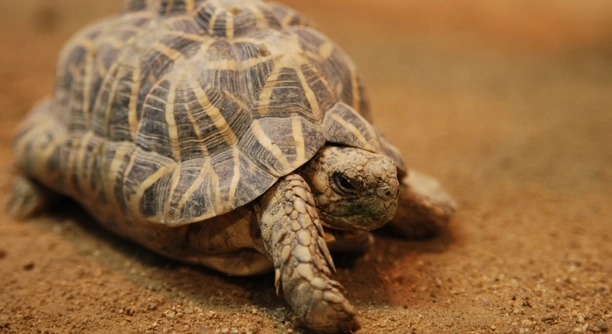
Is your Indian Star Tortoise refusing to eat its favorite foods? It can be puzzling when your pet shows no interest in meals it usually enjoys. This behavior could be a sign of something more than just finicky eating habits.
The main reason for an Indian Star Tortoise ignoring its favorite foods is stress or changes in its environment. Temperature, lighting, and humidity issues can all influence appetite, leading to decreased interest in food. Other factors include illness or age.
Understanding the underlying causes of this behavior can help you address the problem. It’s important to create a stable environment and monitor your tortoise’s health closely.
Common Causes of Appetite Loss in Indian Star Tortoises
There are several reasons your Indian Star Tortoise might be ignoring its food. The first thing to check is the temperature of the habitat. If the enclosure is too cold or too hot, your tortoise may not feel comfortable eating. Tortoises are ectothermic, meaning they rely on external temperatures to regulate their body heat. If they’re too cold, they might become lethargic, and if it’s too hot, they might feel stressed. Humidity also plays a role in their comfort. A dry enclosure can cause them to become dehydrated, which could lead to a lack of appetite.
Sometimes, diet can play a part as well. If your tortoise is offered the same foods regularly, it might become disinterested. Offering a variety of leafy greens, flowers, and grasses can keep meals interesting. Ensure the food is fresh and clean as well, as spoiled or moldy food can make them lose interest.
Ensuring your tortoise is in a stable environment will help them stay healthy and eat regularly.
Environmental Stress and Its Impact
Environmental stress is a major reason for appetite changes in tortoises. Factors like loud noises, new pets, or even changes in routine can cause stress and reduce feeding. Make sure the enclosure is in a quiet, calm spot to avoid disruptions.
When stress is the issue, creating a peaceful, consistent environment will help. Check the enclosure’s temperature, humidity, and lighting daily. A good basking spot and a shaded area to cool off are essential. Provide hiding spaces for your tortoise to retreat to when it feels overwhelmed.
Additionally, consider the placement of the enclosure. If it’s near windows or in a busy area of the home, the constant movement could create stress for your pet. A more secluded, quiet space can encourage feeding habits to return to normal. Also, remember to limit handling while they adjust to any changes.
Illness and Health Issues
Illnesses like respiratory infections, parasites, or digestive problems could cause your tortoise to stop eating. If your pet is lethargic or showing other signs of illness, it’s important to have it checked by a veterinarian. Respiratory issues can make breathing difficult, causing discomfort while eating.
Parasites in the digestive system can also lead to a loss of appetite. These internal infections often cause bloating, diarrhea, or lethargy. If you notice your tortoise has changed behavior, like not eating or staying in one spot for extended periods, a visit to the vet can rule out any serious issues.
A proper diagnosis and treatment plan can help your tortoise return to normal eating habits. Regular health checks will ensure your pet remains in the best possible condition.
Age and Changes in Appetite
As your Indian Star Tortoise ages, it’s normal for its eating habits to change. Older tortoises tend to become less active and may not require as much food. These changes are generally gradual, so there’s no immediate cause for concern unless the appetite loss is sudden or severe.
Even though your tortoise might eat less, it’s still important to monitor its weight and health. If you notice it losing weight or becoming lethargic, further investigation into its diet or health may be necessary. Aging tortoises also experience slower digestion, which can sometimes cause them to eat less frequently.
Providing easy-to-digest foods, like softer leafy greens and occasional fruits, can make meals more appealing to older tortoises. Adjusting their diet to suit their changing needs can help them maintain a healthy weight.
Diet Imbalance
An imbalanced diet can lead to disinterest in food. If your tortoise is not getting a variety of nutrients, it might turn away from its meals. It’s essential to provide a mix of leafy greens, vegetables, and occasional fruits to ensure it gets a balanced intake.
Overfeeding certain foods, like high-calcium plants, can also result in dietary imbalances. This may cause discomfort and make your tortoise less likely to eat. Too much protein or fatty foods can affect digestion and appetite, so it’s crucial to offer a wide range of appropriate foods.
Balancing your tortoise’s diet will support its overall health and eating habits.
Hydration Concerns
Dehydration can cause your tortoise to lose interest in food. Ensuring your pet has access to fresh water daily is key. If it isn’t drinking enough, try soaking it in lukewarm water to encourage hydration.
Proper hydration plays a vital role in digestion. Dehydration can lead to sluggishness, constipation, or reduced appetite. Regular soaking also helps with hydration, especially in dry environments.
Adding moisture-rich foods like cucumber can also help your tortoise stay hydrated.
FAQ
Why is my tortoise not eating after hibernation?
After hibernation, it’s normal for your tortoise to have a reduced appetite as it adjusts back to its regular routine. The period of dormancy can slow down its metabolism, and it may take some time to regain its usual appetite. Gradually increasing the temperature and ensuring that your tortoise is hydrated can help stimulate hunger. If your tortoise still refuses food after a few weeks, it’s important to consult a vet to rule out any underlying health issues.
Can I feed my tortoise a variety of foods every day?
Yes, offering a variety of foods is beneficial for your tortoise. A diverse diet helps ensure it gets all the nutrients it needs. Include leafy greens, grasses, flowers, and occasional fruits. However, avoid feeding the same foods every day, as it can lead to nutritional imbalances. The goal is to maintain variety while sticking to safe, healthy options.
How can I tell if my tortoise is stressed?
Stress in tortoises can show through a few behaviors, such as hiding more than usual, excessive lethargy, or refusal to eat. If your tortoise is pacing its enclosure or showing signs of aggression, it could be stressed. Changes in temperature, lighting, or the presence of other animals in the environment can all contribute to stress. Observe your tortoise’s behavior, and make adjustments to its habitat to create a calmer space.
What can I do if my tortoise is losing weight?
If your tortoise is losing weight, it’s essential to identify the cause. Poor diet, stress, or health issues could be to blame. Make sure your tortoise is eating enough, and offer a balanced variety of foods. Also, check the habitat conditions, such as temperature and humidity, to ensure it’s not causing discomfort. If weight loss continues, a visit to the vet is necessary to rule out any medical problems.
Is it normal for my tortoise to eat less in the winter?
Yes, it’s common for tortoises to eat less during the colder months. In winter, tortoises often become less active and may naturally reduce their food intake due to their slower metabolism. However, if the appetite loss is significant or prolonged, it could indicate a health issue or environmental stress. Make sure your tortoise is in an environment with the correct temperature and humidity, and offer a variety of foods to maintain its health.
What should I do if my tortoise is not eating vegetables?
If your tortoise isn’t eating vegetables, try offering a wider variety. Some tortoises are picky eaters and may prefer certain types of greens over others. Experiment with different leafy greens like kale, collard greens, or dandelion leaves. You could also try offering edible flowers or weeds from safe areas. If your tortoise still refuses vegetables, check for any health concerns or environmental factors that may be contributing to the behavior.
Can dehydration cause my tortoise to stop eating?
Yes, dehydration can cause a lack of appetite in tortoises. If your tortoise is not drinking enough water, it can become lethargic and may refuse food. Ensure your tortoise always has access to fresh, clean water. If it’s not drinking, soaking your tortoise in lukewarm water for 15-20 minutes can help encourage hydration. Adding water-rich foods, such as cucumber, to the diet can also help with hydration.
Why is my tortoise ignoring its favorite foods?
There are several potential reasons for this behavior. Stress, changes in the environment, illness, or even a change in temperature can cause a tortoise to lose interest in food. If the habitat conditions aren’t ideal, your tortoise may refuse to eat, even its favorite foods. Additionally, tortoises can sometimes become disinterested in food if it’s been offered too frequently or if it’s not fresh. Make sure the food is varied, the environment is calm, and the temperature is appropriate.
How often should I feed my tortoise?
The frequency of feeding depends on the age and activity level of your tortoise. Young tortoises require daily feeding, while adults can typically be fed every other day. It’s important to offer enough food to meet their nutritional needs, but not overfeed, as this can lead to obesity. Always make sure there’s a variety of food to encourage healthy eating habits.
Is my tortoise’s lack of appetite a sign of a serious problem?
A lack of appetite can be a sign of stress, illness, or environmental issues. If your tortoise refuses food for more than a few days, it’s important to assess its habitat, hydration, and diet. If no improvements are seen after adjusting these factors, it’s wise to consult a veterinarian to rule out health problems like parasites or respiratory infections.
Can my tortoise get too much calcium from its food?
Yes, too much calcium can cause health issues in tortoises, such as kidney problems or shell deformities. While calcium is important for their bone and shell health, it should be provided in the right amounts. Too much calcium, especially if it comes from supplements, can be harmful. Offer calcium-rich foods in moderation and provide a balanced diet that includes a variety of nutrients.
When your Indian Star Tortoise starts ignoring its favorite foods, it can be concerning. However, there are many possible reasons behind this behavior, and not all of them point to serious issues. In many cases, simple adjustments to its environment or diet can make a big difference. It’s essential to pay attention to factors like temperature, humidity, and stress levels, as they can have a significant impact on your tortoise’s appetite. Regularly checking your tortoise’s habitat and making sure it meets its needs is a great first step toward solving the problem.
If your tortoise continues to refuse food despite making changes, it’s important to consider other factors, such as illness or age. Illnesses like respiratory infections or digestive issues can cause a loss of appetite. If you notice any other signs of illness, such as lethargy or abnormal behavior, a trip to the vet is necessary. Age can also play a role in a tortoise’s eating habits, as older tortoises may naturally eat less and have slower digestion. Understanding your tortoise’s health and age-related changes will help guide how you approach the situation.
Ultimately, addressing the cause of your tortoise’s appetite loss involves observing its behavior, adjusting its environment, and ensuring its diet is balanced and varied. With a bit of patience and care, you can usually get your tortoise back on track. However, if the issue persists, don’t hesitate to seek professional advice. Your tortoise’s well-being depends on the right conditions and proper care, and ensuring it stays healthy and happy should always be a priority.

Hello,
If you enjoy the content that we create, please consider saying a "Thank You!" by leaving a tip.
Every little bit helps us continue crafting quality advice that supports the health, happiness, and well-being of pets around the world, for pets of all shapes, sizes, and species.
We really appreciate the kindness and support that you show us!