
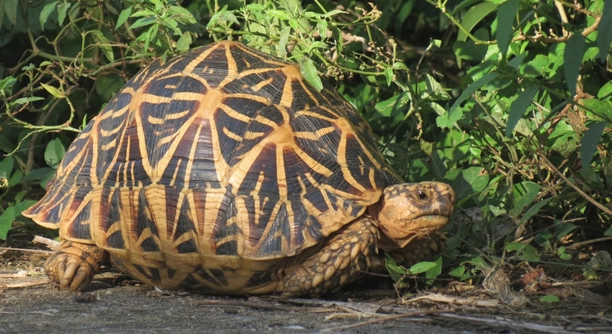
Indian star tortoises are unique and charming pets. As a responsible owner, it’s important to make sure they are eating the right foods. One question many tortoise keepers have is whether alfalfa is suitable for them.
Indian star tortoises can eat alfalfa, but it should be offered in moderation. Alfalfa is high in fiber, and while it is not toxic, it is also rich in calcium, which may not be ideal for adult tortoises on a regular basis.
Understanding the pros and cons of feeding your tortoise alfalfa can help you make the best choice for its diet. It’s important to consider how different foods affect your pet’s health and well-being.
Pros of Feeding Alfalfa to Indian Star Tortoises
Alfalfa can provide some nutritional benefits for Indian star tortoises when given in moderation. It is high in fiber, which helps with digestion and can support a healthy gut. Additionally, it’s a good source of calcium, which is vital for bone health. Calcium is essential for the development and maintenance of a tortoise’s shell. Offering alfalfa occasionally can provide variety and keep your pet interested in its diet.
It also contains various vitamins and minerals that support overall well-being, making it a decent supplement to their regular diet. However, it’s important to remember that it shouldn’t be the main part of their food intake.
Offering alfalfa in small amounts allows for some benefits without overloading the tortoise’s system with excessive calcium. Its fiber helps regulate bowel movements, which is important for tortoises, especially in captivity. Be mindful of the size of the serving, as too much calcium over time may lead to health problems.
Cons of Feeding Alfalfa to Indian Star Tortoises
Overfeeding alfalfa can lead to issues like kidney damage or shell deformities due to too much calcium intake.
Since alfalfa is high in calcium, it’s important not to give it too often to adult tortoises. While juvenile tortoises can benefit from calcium, adult tortoises don’t need as much. Too much calcium can cause kidney problems, especially if the tortoise isn’t able to properly process it. Therefore, moderation is key.
It’s also worth noting that alfalfa lacks the balance of other essential nutrients that your tortoise needs, such as a variety of leafy greens and other vegetables. Without variety in their diet, they may become deficient in other nutrients, which could affect their health over time. It’s vital to ensure your pet’s diet includes a range of fresh vegetables, fruits, and other plant-based foods to meet their full nutritional requirements. Alfalfa should be seen as a supplement, not a main food source.
How to Safely Offer Alfalfa to Indian Star Tortoises
To offer alfalfa safely, start by giving small portions as an occasional treat, not a regular part of their diet. This prevents overloading them with calcium, ensuring they get other necessary nutrients. Fresh, unprocessed alfalfa hay is a better option compared to pellets, which can be higher in additives.
It’s best to mix alfalfa with a variety of other foods, like leafy greens and vegetables. This way, your tortoise gets a balanced diet that supports all its nutritional needs. Keep the serving size small, about a tablespoon, to avoid excess calcium. Offering alfalfa once or twice a week is sufficient.
If you notice any changes in your tortoise’s health, such as shell deformities or changes in behavior, reduce the amount of alfalfa you’re offering. Remember that your tortoise’s health should be the main priority, and balance in their diet is essential for long-term well-being. Always consult with a vet if you’re unsure about the right portions.
Alternative Foods for Indian Star Tortoises
There are plenty of other food options you can offer your tortoise to ensure it’s getting all the nutrients it needs. Dark leafy greens like collard greens, dandelion greens, and kale are excellent for tortoises. These foods are rich in vitamins and fiber, supporting their digestion and immune system.
Offering a variety of vegetables like carrots, squash, and bell peppers can add color and texture to their diet. Fruits should be offered occasionally, such as berries, melons, or papaya, but in small amounts due to their sugar content. Avoid feeding your tortoise high-protein foods, as they’re herbivores and don’t require much protein.
A good mix of vegetables and greens gives your tortoise the essential nutrients, like fiber, calcium, and vitamins, without the risk of overloading on one nutrient. By diversifying the diet, you help ensure they stay healthy and happy.
Signs of Overfeeding Alfalfa to Indian Star Tortoises
If you notice any unusual behavior, such as lethargy or changes in shell condition, it could be a sign of overfeeding alfalfa. Too much calcium may cause kidney problems or shell deformities, so it’s important to monitor their health closely.
Make sure the tortoise isn’t eating more alfalfa than other greens. Overeating alfalfa may lead to a condition called hypercalcemia, which can result in various health issues. If you see that your tortoise isn’t moving around as usual or seems more sluggish, it’s time to reduce or stop offering alfalfa for a while.
If the shell shows any signs of softening or unusual growth patterns, consult a veterinarian. It could be a sign of excess calcium in the diet. Catching these signs early can prevent more serious issues down the road, and your tortoise will have a better chance of staying healthy.
How Often Should You Offer Alfalfa?
Alfalfa can be offered occasionally, perhaps once or twice a week. This prevents your tortoise from getting too much calcium, while still benefiting from the fiber and nutrients it provides. Always monitor their health when introducing new foods.
Regularly offering a variety of vegetables and greens is important. By rotating different foods, your tortoise will get a wide range of nutrients without the risk of nutritional imbalance. This method keeps the diet interesting and ensures they don’t rely too much on any one food, including alfalfa.
Alfalfa vs. Other High-Fiber Foods
There are other high-fiber options like hay or grass that are just as beneficial, if not better, than alfalfa. Timothy hay is an excellent alternative, providing the same digestive benefits with fewer risks of excess calcium. Always offer a mix of grasses and leaves to avoid repetition in the diet.
FAQ
Can I feed my Indian star tortoise alfalfa every day?
Feeding alfalfa every day is not recommended. While it offers some benefits, such as fiber and calcium, it is also high in calcium, which can be harmful if consumed in excess. Offering it once or twice a week is sufficient to prevent any potential health issues. Too much calcium can lead to kidney damage or shell problems in the long run.
Is alfalfa hay better than alfalfa pellets for my tortoise?
Alfalfa hay is generally a better option than alfalfa pellets for your tortoise. The hay is a more natural form of the food and contains fewer additives. Pellets can sometimes be processed with extra ingredients that might not be ideal for your pet. Always choose fresh, organic hay if possible to avoid any harmful chemicals or preservatives.
Can baby Indian star tortoises eat alfalfa?
Baby tortoises can eat alfalfa in moderation, but their main diet should consist of leafy greens and high-fiber grasses. Baby tortoises need more calcium for shell development, but too much alfalfa can cause imbalance. For babies, it’s best to focus on offering a variety of food types to meet their nutritional needs.
How do I know if my tortoise has eaten too much alfalfa?
Signs of overconsumption of alfalfa include changes in behavior, such as lethargy or loss of appetite, and changes in the shell, like softening or unusual growth. If you notice these signs, stop feeding alfalfa immediately and consult a vet to ensure your tortoise’s health.
What other foods should I be feeding my Indian star tortoise?
In addition to alfalfa, your tortoise should eat a variety of leafy greens like collard greens, dandelion greens, and mustard greens. You can also offer safe vegetables like squash, carrots, and bell peppers. Fresh grasses, hibiscus flowers, and certain fruits like strawberries and papayas can be given occasionally. Variety is key to a balanced diet.
Are there any vegetables I should avoid feeding my tortoise?
Yes, there are a few vegetables you should avoid feeding your Indian star tortoise. Foods like spinach and kale should be given in limited quantities due to their high levels of oxalates, which can interfere with calcium absorption. Additionally, avoid feeding them iceberg lettuce, as it offers very little nutritional value.
How can I balance the calcium intake in my tortoise’s diet?
Balancing calcium is important for your tortoise’s health. Make sure your tortoise has access to high-quality calcium sources, such as calcium-rich leafy greens, and offer calcium supplements if necessary. Be careful not to overfeed foods like alfalfa, which are high in calcium. Always consult with a vet for advice on supplementation if you’re unsure.
Should I provide my tortoise with a calcium supplement?
If your tortoise is not getting enough calcium from its diet, a calcium supplement may be necessary. However, it’s important to avoid over-supplementing, as excess calcium can cause issues. Calcium powder can be sprinkled on food, or you can offer a calcium block for them to nibble on. Consult your vet to determine if a supplement is needed.
Is it safe to feed my tortoise fruit regularly?
Fruit should only be offered in small amounts as a treat. Tortoises can enjoy fruits like strawberries, melons, and papayas, but these foods are high in sugar. Too much fruit can lead to digestive problems and obesity. Stick to offering fruit once or twice a week to avoid excess sugar intake.
Can I feed my tortoise cooked food?
It’s not advisable to feed cooked food to your Indian star tortoise. They are herbivores that thrive on raw, fresh plant matter. Cooking food can reduce its nutritional value and make it harder for your tortoise to digest. Always stick to fresh vegetables, grasses, and leafy greens.
Should I feed my tortoise anything other than plant-based foods?
Indian star tortoises are strict herbivores, meaning they should only be fed plant-based foods. Avoid offering any animal proteins, like meat, as it can harm their digestive system and overall health. A diet rich in fiber and plant-based nutrients is best suited for their long-term well-being.
How much should I feed my tortoise?
The amount you feed your tortoise depends on its age and size. As a general guideline, offer food in portions that are about the size of its shell length. Juveniles may eat more frequently, while adults require smaller portions. Always remove uneaten food after a few hours to avoid spoilage and to prevent overfeeding.
Feeding your Indian star tortoise a balanced diet is crucial for its health and well-being. While alfalfa can be a part of their diet, it should only be given in moderation. The key is variety—providing a mix of leafy greens, vegetables, and grasses ensures that your tortoise gets all the essential nutrients it needs without the risk of overfeeding any one food. Alfalfa, while rich in calcium and fiber, shouldn’t make up the bulk of their diet. Too much calcium can lead to problems like kidney issues or shell deformities, so it’s important to offer it sparingly.
It’s also important to monitor your tortoise’s health regularly. If you notice signs of poor health, such as lethargy, changes in shell condition, or a lack of appetite, it might be time to reassess their diet. Keeping track of the foods you offer will help you spot any patterns in their behavior or health. If you’re ever unsure about the proper portion sizes or the right foods for your tortoise, it’s always a good idea to consult with a veterinarian who specializes in reptiles. They can provide expert advice tailored to your tortoise’s specific needs.
In conclusion, while alfalfa can be a beneficial supplement for your Indian star tortoise, it should not be relied upon as a main food source. By offering a diverse range of plant-based foods and maintaining balance in their diet, you can ensure that your tortoise thrives. A healthy diet, along with proper care and attention, will help your tortoise live a long and happy life. Understanding the nutritional needs of your tortoise and offering a variety of safe foods will make a significant difference in its overall health and well-being.

Hello,
If you enjoy the content that we create, please consider saying a "Thank You!" by leaving a tip.
Every little bit helps us continue crafting quality advice that supports the health, happiness, and well-being of pets around the world, for pets of all shapes, sizes, and species.
We really appreciate the kindness and support that you show us!