
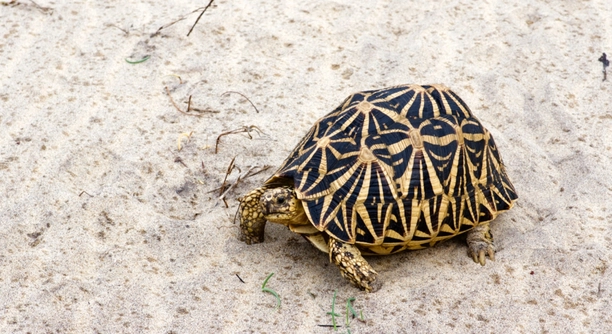
Indian Star Tortoises are unique creatures, and feeding them properly is essential for their health and well-being. Their diet should consist of a variety of foods to meet their nutritional needs.
The ideal diet for Indian Star Tortoises includes leafy greens, vegetables, and high-fiber grasses, along with occasional fruits and calcium supplements. Providing a variety of plant-based foods ensures they receive all the necessary vitamins and minerals for growth and longevity.
Creating the perfect diet can ensure your tortoise thrives. Understanding the right foods and how to balance them is key to their overall health.
The Importance of a Balanced Diet for Indian Star Tortoises
A healthy diet for an Indian Star Tortoise is vital to its well-being. These tortoises are herbivores, and their diet primarily consists of grasses, weeds, and various leafy greens. A balanced diet provides essential nutrients, including fiber, vitamins, and minerals, which are crucial for digestion, bone health, and overall development. While offering a variety of food is key, it is important to avoid feeding them too much fruit or high-protein foods, as this can lead to health issues. You should always be mindful of their nutritional needs and ensure they receive food that closely mimics what they would eat in the wild.
Providing a good mix of plants ensures the tortoise gets the proper vitamins and nutrients. This approach encourages healthy growth and proper shell development, as well as overall longevity.
Proper calcium intake is crucial for the health of your tortoise’s shell. Including calcium-rich foods, such as dark leafy greens and offering calcium supplements, can prevent common health problems like shell deformities or softening.
Foods to Include in an Indian Star Tortoise’s Diet
Leafy greens like dandelion, collard greens, and mustard greens are excellent choices for an Indian Star Tortoise. They are high in fiber and calcium, promoting digestion and shell health. Additionally, you can offer plants like clover, hibiscus flowers, and grass as treats to keep your tortoise interested in its meals. It’s best to avoid feeding them foods like iceberg lettuce, as it has little nutritional value. Always remember that variety is important, but moderation is key.
When preparing food for your tortoise, you should offer a selection of safe plants to prevent boredom and encourage healthy eating habits. Combining fresh greens, flowers, and weeds creates a more natural diet that meets their needs. Along with the right food, hydration is just as important. Make sure your tortoise has access to fresh water at all times. Keeping water available can help maintain their digestive health and support other vital bodily functions.
Avoiding Harmful Foods
Indian Star Tortoises should not eat high-protein foods like meat, dairy, or insects. These foods can cause kidney damage or other health issues in tortoises. Certain vegetables, such as spinach and beet greens, should also be avoided because they contain high levels of oxalates, which can interfere with calcium absorption.
Additionally, avoid feeding your tortoise sugary fruits like bananas, grapes, or apples. These can disrupt their digestive system and contribute to obesity. Stick to more natural food sources found in the wild, such as grasses, weeds, and safe flowers. By avoiding the wrong foods, you ensure your tortoise’s health remains intact. Consistency in providing the right diet leads to a happier and healthier tortoise, minimizing the risk of long-term health problems.
Remember, moderation is crucial. While variety is important, keeping the balance right and sticking to foods that match their natural diet ensures your tortoise stays strong and well.
Calcium and Vitamin D3 for Strong Shells
Calcium is an essential part of an Indian Star Tortoise’s diet. Without it, their shells can become soft or deformed. Tortoises need a good source of calcium, which can be found in dark leafy greens like kale or collard greens. You can also provide calcium supplements to ensure they’re getting enough.
Vitamin D3 is just as important as calcium. It helps the tortoise absorb calcium properly. You can provide Vitamin D3 by offering exposure to natural sunlight. A basking area under UVB light can also help produce the necessary vitamin. It is important to balance both calcium and Vitamin D3 for optimal shell health. Over-supplementation of either one can lead to complications, so always strive for a balanced approach. By carefully managing these two nutrients, you can help prevent shell deformities and ensure your tortoise thrives.
Hydration is Key
A steady supply of fresh water is vital for Indian Star Tortoises. Dehydration can lead to severe health issues, including kidney problems and digestive issues. Always provide clean water in a shallow dish that is easy for them to access.
Hydration plays a significant role in digestion, so make sure your tortoise has water available throughout the day. They may not drink much at once, but regular access to water supports their overall well-being. Keep the water clean and change it frequently, especially if the tortoise soils it.
Treats for Variety
Occasional treats can help keep your tortoise entertained and encourage healthy eating. Flowers like hibiscus or dandelion, and herbs such as basil, make excellent additions to their diet. Offering treats in moderation is key to maintaining balance.
While treats are a fun way to add variety, they should never replace the primary food sources like grasses and leafy greens. Treats should be given sparingly to avoid overfeeding and to maintain a healthy weight. Just like us, tortoises enjoy a little something extra now and then!
FAQ
What should I feed my Indian Star Tortoise daily?
Indian Star Tortoises need a varied diet of leafy greens, grasses, and safe plants. Greens like dandelion, collard greens, and mustard greens are great options. You can also include flowers like hibiscus or clover and certain weeds. Limit the amount of fruit and avoid high-protein foods like meat or dairy, as these can cause health issues. Fresh water should always be available, and calcium-rich foods should be included to support shell health.
Can I feed my Indian Star Tortoise fruits?
Fruits can be fed occasionally but should be offered in moderation. Overfeeding fruits can lead to obesity and digestive issues. Fruits like papaya, melon, and berries are safer options when given in small amounts. It’s important to focus on providing leafy greens, grasses, and other natural plant-based foods for their regular diet. Fruits should be a rare treat rather than a staple.
How often should I offer my tortoise food?
You can offer food to your tortoise once a day. Young tortoises may need more frequent feedings to support their growth, while adults can be fed every other day or based on their activity levels. Always ensure that the food is fresh and suitable for their diet. Monitor their appetite to adjust accordingly.
Is it necessary to provide calcium supplements?
Yes, calcium supplements are essential for maintaining a healthy shell and bones. If your tortoise is not getting enough calcium from its diet, especially if you don’t provide enough dark leafy greens, supplements can help. Dust their food lightly with calcium powder or provide cuttlefish bone for them to nibble on. If you live in an area with limited sunlight, a UVB light can help your tortoise absorb the calcium more effectively.
Can Indian Star Tortoises eat spinach?
Spinach contains oxalates, which can interfere with calcium absorption, so it should be fed sparingly or avoided. Regular consumption of spinach can lead to calcium deficiencies and other health problems in tortoises. Instead, offer greens like dandelion, collard greens, or kale, which are more beneficial to their health.
How much water should an Indian Star Tortoise drink?
Indian Star Tortoises require a consistent supply of fresh water. While they don’t drink large amounts at once, regular access to water is vital. Ensure the water dish is shallow, clean, and easy for them to access. Change the water regularly to keep it free from contaminants. Hydration is essential for digestion and overall health.
Can I feed my tortoise lettuce?
Lettuce is not recommended for regular feeding. Iceberg lettuce, in particular, has very little nutritional value and can cause diarrhea if eaten in large amounts. If you feed lettuce, opt for darker, nutrient-dense varieties like romaine, but it should only be an occasional treat. Focus on leafy greens with higher nutritional content for a balanced diet.
Is sunlight important for my Indian Star Tortoise?
Yes, sunlight is important for Indian Star Tortoises. They need access to natural sunlight or UVB light to synthesize Vitamin D3, which helps them absorb calcium effectively. Without proper UVB exposure, they can develop metabolic bone disease. Ensure your tortoise has a basking spot where it can get some sunlight or use a UVB light if kept indoors.
Can I feed my tortoise flowers?
Yes, flowers can be a great addition to your tortoise’s diet. Safe flowers like hibiscus, dandelions, and marigolds are suitable for tortoises. They provide variety and extra nutrients. Be cautious, though, and make sure the flowers are pesticide-free and safe for consumption. Avoid any toxic flowers, such as lilies, daffodils, or any from the nightshade family.
Can I give my Indian Star Tortoise vegetables like carrots?
Carrots can be offered occasionally, but they should not make up the bulk of your tortoise’s diet. Carrots are high in sugar and should be treated as an occasional treat. Vegetables like kale, dandelion, and collard greens are better choices for regular feeding. Stick to high-fiber plants to support their digestive health.
What kind of calcium supplements should I use?
You can use calcium powder specifically made for reptiles. It’s important to choose a supplement that doesn’t contain phosphorus or vitamin D3 unless your tortoise isn’t getting enough UVB light. You can dust their food lightly with calcium powder to ensure they get the right amount. Calcium-rich foods like dark leafy greens can help reduce the need for supplements.
How can I tell if my tortoise is overweight?
Overweight tortoises may have a bloated or rounded shell, and their body may appear out of proportion. Monitor their weight regularly and watch for signs of lethargy or difficulty moving. A healthy tortoise will have a firm shell, a well-rounded, but not overly rounded, body, and will be active. If you’re concerned, reduce the amount of high-sugar foods and provide more greens and fiber-rich plants.
Can Indian Star Tortoises eat weeds?
Yes, weeds are a natural part of their diet and can be a great addition. Safe weeds like clover, plantain, and dandelion can be fed to your tortoise. Just ensure they haven’t been treated with pesticides or chemicals. Weeds offer a variety of nutrients and add interest to their diet, making them an excellent choice for tortoises.
How can I provide Vitamin D3 to my tortoise?
Vitamin D3 is essential for calcium absorption. You can provide it through natural sunlight or artificial UVB light. If your tortoise lives indoors, a UVB light is necessary to mimic sunlight. Make sure the UVB bulb is placed correctly and provides sufficient light for at least 10 to 12 hours a day. This helps the tortoise absorb calcium effectively.
Are there any plants my tortoise should avoid?
Yes, there are many plants that can be harmful to tortoises. Avoid feeding them toxic plants like oleander, ivy, and certain varieties of daffodils, lilies, and azaleas. Always research or check a reliable guide before introducing new plants to your tortoise’s diet. Some plants may cause digestive issues, skin irritation, or worse.
How do I feed my tortoise if I’m going on vacation?
If you’re going away, arrange for a trusted friend or pet sitter to feed your tortoise according to its regular schedule. You can also pre-cut portions of food and store them in the fridge for easy access. Make sure the water dish is clean and accessible, and consider using a timer for UVB lights if needed. Always ensure your tortoise is cared for properly while you’re away.
Final Thoughts
Creating the perfect diet for your Indian Star Tortoise is essential for its health and well-being. These tortoises thrive on a variety of plant-based foods that provide them with the necessary nutrients, vitamins, and minerals. The foundation of their diet should consist of leafy greens, grasses, and safe plants, with occasional fruits and flowers offered as treats. By focusing on a natural, balanced diet, you can help ensure that your tortoise grows strong and stays healthy for many years. Remember to also provide calcium supplements or calcium-rich foods, as this is crucial for shell and bone health.
Hydration is another important aspect of your tortoise’s care. While they don’t drink a lot at once, keeping fresh water available at all times is vital for proper digestion and overall health. Be sure to change the water regularly, as tortoises can sometimes soil it, which can lead to bacteria growth. Providing water in a shallow dish that’s easy for your tortoise to access will encourage them to drink more often. Along with proper food and water, exposure to sunlight or UVB light will help your tortoise absorb calcium and produce Vitamin D3. Without this, your tortoise could develop serious health issues, such as metabolic bone disease.
In addition to their regular diet, it’s important to be aware of foods that should be avoided. Overfeeding fruits or high-protein foods, such as meat, can lead to health problems like obesity or kidney issues. Similarly, some plants and vegetables, like spinach, should only be fed in moderation due to their high oxalate content. By making sure your tortoise has access to the right foods, hydration, and sunlight, you’re giving them the best chance for a long and healthy life. Monitoring their weight and behavior will help you identify any potential issues early, allowing you to adjust their diet or care routine when needed.

Hello,
If you enjoy the content that we create, please consider saying a "Thank You!" by leaving a tip.
Every little bit helps us continue crafting quality advice that supports the health, happiness, and well-being of pets around the world, for pets of all shapes, sizes, and species.
We really appreciate the kindness and support that you show us!