
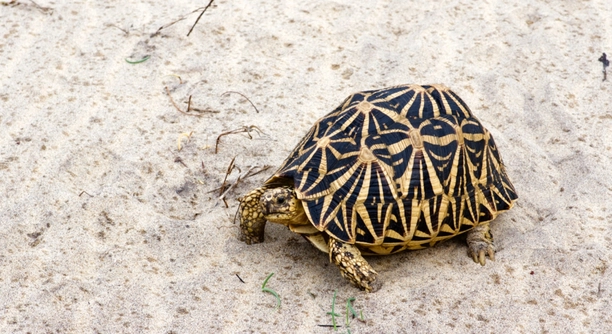
Are your Indian star tortoises refusing to eat, leaving you concerned about their health? Loss of appetite in these tortoises can be alarming, especially if it continues for an extended period. Understanding the possible reasons can help you address the issue.
The most common reasons why Indian star tortoises stop eating include stress, improper diet, temperature fluctuations, dehydration, illness, seasonal changes, and environmental issues. Identifying the underlying cause is crucial to ensuring their well-being and restoring their normal eating habits.
Various factors influence a tortoise’s appetite, and some may not be immediately obvious. Learning about these reasons will help you provide better care and keep your pet healthy in the long run.
Stress and Anxiety
Indian star tortoises are sensitive to changes in their surroundings. A new environment, loud noises, or frequent handling can make them feel stressed. When stressed, they may stop eating as a natural response to feeling unsafe. Even small disruptions, like moving their enclosure or introducing new pets, can cause anxiety. Lack of hiding spots or too much human interaction can add to their discomfort. It’s important to create a stable environment that allows them to feel secure. Reducing unnecessary disturbances and keeping their habitat calm can encourage them to eat normally again.
A tortoise showing signs of stress may hide more often, refuse to bask, or stay inactive. If left unaddressed, prolonged stress can weaken their immune system and lead to health problems.
Providing a quiet space with minimal disturbances can make a difference. Offering familiar food, maintaining a consistent routine, and allowing them to adjust at their own pace can help restore their appetite.
Improper Diet
Indian star tortoises require a specific diet to stay healthy. If their food lacks variety or essential nutrients, they may refuse to eat. Feeding them only one type of green or giving them fruit too often can lead to imbalances.
Their diet should mainly consist of high-fiber foods like grasses, hay, and leafy greens. Avoid feeding them too much protein, as it can cause health issues. Fruits should be an occasional treat, not a regular part of their diet. Commercial tortoise pellets can be included, but fresh foods should always be the priority. A lack of calcium and essential vitamins can also affect their appetite. If they aren’t eating, consider adjusting their diet to ensure they receive the right nutrients.
Providing a balanced and natural diet is essential for their overall well-being. If your tortoise is avoiding food, reassess what you are offering. Making gradual dietary changes can encourage them to eat again.
Temperature Fluctuations
Indian star tortoises need a warm and stable environment to stay healthy. If their enclosure is too cold or experiences sudden temperature changes, they may stop eating. Keeping the right temperature range is essential for their digestion and overall well-being.
A basking area of around 90–95°F and a cooler side between 75–85°F will help them regulate their body temperature. If the temperature drops too low, their metabolism slows down, making them inactive and uninterested in food. A lack of proper heating at night can also contribute to appetite loss. Using a high-quality heat lamp and a thermostat can help maintain a stable environment.
Humidity is another factor that affects their eating habits. Low humidity can cause dehydration, while excess moisture can lead to respiratory problems. A humidity level of around 50–70% is ideal. Regularly checking the temperature and humidity ensures they remain comfortable and willing to eat.
Dehydration
Not drinking enough water can cause Indian star tortoises to stop eating. Dehydration leads to sluggish behavior, dry skin, and difficulty digesting food. Without proper hydration, they may also struggle with constipation, making them feel uncomfortable and uninterested in eating.
Providing fresh, clean water daily is essential. A shallow water dish should always be available, allowing them to drink and soak as needed. Some tortoises prefer to hydrate by soaking rather than drinking directly. Regular soaks in lukewarm water for 15–20 minutes can help keep them hydrated. Leafy greens with high water content, like lettuce and dandelion greens, can also support hydration.
A dry habitat can make dehydration worse. If the enclosure lacks proper humidity, water loss happens faster. Spraying their enclosure lightly with water and ensuring a well-balanced diet can prevent dehydration. Small changes in their care routine can help restore their appetite.
Illness
If your tortoise is sick, they might lose interest in food. Common illnesses, such as respiratory infections or shell problems, can affect their appetite. Other signs of illness may include lethargy, abnormal breathing, or a swollen shell.
It’s important to monitor your tortoise closely for any behavioral changes. A lack of appetite is often one of the first signs that something is wrong. If you notice any other symptoms like nasal discharge or a lack of movement, consider consulting a veterinarian. Early diagnosis can help prevent serious health issues.
Seasonal Changes
Indian star tortoises can eat less during seasonal changes. As ectotherms, their metabolism slows down in cooler months. This is a natural response, and they may eat less as they enter a period of dormancy.
During this time, it’s essential to adjust their care routine. Keep the temperature steady and avoid overfeeding. Ensure they still receive the right nutrients to maintain their health. If their behavior returns to normal once temperatures warm up, it is likely due to the seasonal change.
FAQ
Why is my Indian star tortoise not eating?
There are many reasons why your tortoise might stop eating. It could be due to stress, such as changes in their environment or overhandling. Illness is also a common cause, so monitor for other symptoms like lethargy or unusual behavior. Temperature issues, dehydration, or an improper diet can also make them lose interest in food. Ensure that their habitat is stable, their diet is well-balanced, and they are kept at the right temperature.
How can I tell if my tortoise is stressed?
Stress in tortoises can show up in different ways. They may hide more often, become less active, or stop eating. They might also retract into their shell more frequently or act more skittish. Stress can be caused by loud noises, unfamiliar people, or changes in their environment. Make sure their space is calm and quiet, with plenty of hiding spots. Reducing handling and providing a consistent routine can help ease their stress.
What should I do if my tortoise stops eating for a few days?
If your tortoise refuses food for a few days, check their environment first. Ensure the temperature and humidity levels are ideal. Consider whether any changes might have caused stress or if they are showing signs of illness. If they are still not eating after a few days, it’s a good idea to contact a vet to rule out any health issues.
Can I feed my tortoise fruit every day?
No, fruit should not be a daily part of their diet. While tortoises enjoy fruit, it’s high in sugar and can lead to health problems if fed too frequently. They should have mostly leafy greens, grasses, and high-fiber plants. Fruit should only be given as an occasional treat. A balanced diet will help keep them healthy and avoid digestive issues.
Is it normal for my tortoise to stop eating during the winter?
Yes, it’s quite normal for Indian star tortoises to eat less during colder months. As ectotherms, they rely on external heat to regulate their body temperature. When the temperature drops, their metabolism slows down, and they may eat less. Ensure they are kept in a warm, stable environment, and monitor them for signs of illness. If they stop eating for an extended period, or show other signs of distress, consult a veterinarian.
How can I get my tortoise to eat more?
If your tortoise isn’t eating enough, start by checking their temperature and humidity levels. Make sure they are in a warm, comfortable environment and not feeling stressed. Offering a variety of food, like different types of greens and weeds, can also encourage them to eat. If necessary, offer food at different times of day or soak the food in water to increase hydration. If they still refuse to eat, consult a vet.
Should I worry if my tortoise is eating less than usual?
If your tortoise is eating less than usual but is still active and healthy in other ways, it might not be an immediate cause for concern. However, if their appetite loss is accompanied by signs of illness like lethargy, labored breathing, or changes in their behavior, you should contact a vet. Always monitor your tortoise’s overall condition.
How often should I feed my Indian star tortoise?
Indian star tortoises typically eat every day or every other day, depending on their age and activity level. Young tortoises may require more frequent meals, while adults can often be fed every other day. Make sure to offer fresh food daily and remove any uneaten food to prevent it from spoiling. Their meals should consist mainly of leafy greens and high-fiber plants.
Can temperature affect my tortoise’s appetite?
Yes, temperature plays a significant role in your tortoise’s appetite. If their environment is too cold, their metabolism will slow down, and they will likely eat less. On the other hand, if the temperature is too high, they may feel stressed and lose interest in food. A consistent temperature of 75–85°F during the day and around 70°F at night is ideal.
Why isn’t my tortoise eating its favorite food?
If your tortoise isn’t eating even their favorite food, it might be a sign of stress, illness, or environmental issues. They may also be going through a period of reduced appetite due to seasonal changes. Try offering different foods and ensure their habitat is comfortable. If the issue persists, seek professional advice from a vet.
How long can an Indian star tortoise go without eating?
An Indian star tortoise can survive without food for several days or even a couple of weeks, depending on their health and condition. However, if they are refusing food for an extended period, it’s important to figure out the cause. Extended periods without food can weaken their immune system and lead to other health problems. Always seek veterinary guidance if your tortoise isn’t eating for several days.
Should I soak my tortoise if it’s not eating?
Soaking your tortoise in warm water can help encourage eating, especially if dehydration is a concern. The warm water will help hydrate them and may stimulate their appetite. Soak them in shallow, lukewarm water for about 15–20 minutes. Be sure to monitor them during this time to ensure they are comfortable.
Can a change in diet cause my tortoise to stop eating?
Yes, a sudden change in diet can cause your tortoise to refuse food. Tortoises can be sensitive to new foods, and a sudden switch might upset their digestive system. Gradually introduce new food items to their diet to allow them to adjust. Consistency is key when feeding them to maintain healthy eating habits.
Is it safe to feed my tortoise commercial pellets?
Commercial tortoise pellets can be a convenient addition to their diet, but they should not be the main food source. Fresh greens, grasses, and plants should be the primary components of their diet. Pellets can be used occasionally as a supplement, but it’s essential to ensure they are high-quality and free from harmful additives.
Final Thoughts
Understanding why your Indian star tortoise isn’t eating can be a bit tricky, but it’s important to pay attention to the possible causes. From stress and improper diet to temperature changes and illness, many factors can affect their appetite. Recognizing these signs early on is key to providing the right care. Keeping their environment stable and offering a balanced diet are two of the most effective ways to ensure they stay healthy and happy. Small changes, like adjusting the temperature or making sure their water supply is fresh, can often make a big difference.
If your tortoise’s refusal to eat lasts more than a few days, it’s essential to seek professional help. A veterinarian experienced with reptiles can help determine if there’s an underlying health issue. Dehydration and illness are often the root causes of appetite loss, and a timely diagnosis can help prevent further complications. Your tortoise’s refusal to eat shouldn’t be ignored, as it can lead to more serious health problems if left untreated. Staying proactive and consulting a vet will provide the best chance for a full recovery.
Ultimately, every tortoise is different, and the solutions may vary depending on their individual needs. By observing their behavior and making necessary adjustments to their environment, you can encourage your tortoise to return to its normal eating habits. Whether it’s ensuring the right diet, providing a calm space, or maintaining proper temperature levels, your efforts will help keep your tortoise healthy in the long run. Taking the time to understand and address these issues will ensure your tortoise thrives for years to come.

Hello,
If you enjoy the content that we create, please consider saying a "Thank You!" by leaving a tip.
Every little bit helps us continue crafting quality advice that supports the health, happiness, and well-being of pets around the world, for pets of all shapes, sizes, and species.
We really appreciate the kindness and support that you show us!