
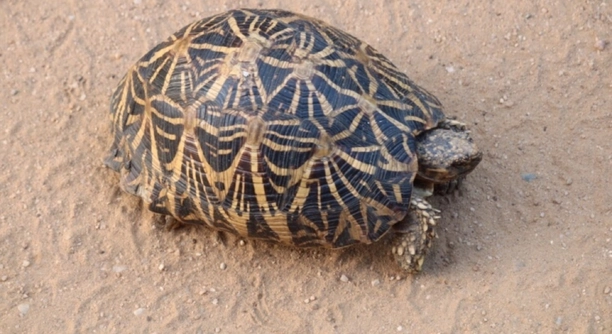
Building a safe and secure tortoise enclosure is essential for both the well-being of your pet and the prevention of escapes. Tortoises can be surprisingly resourceful in finding their way out, so careful planning is needed.
To build an escape-proof tortoise enclosure, focus on sturdy barriers, proper depth, secure gates, and keeping the environment enriching yet safe. Reinforce weak spots and ensure the tortoise has a comfortable living space without the risk of wandering off.
By following the right steps, you can ensure your tortoise remains secure in its habitat. Let’s take a closer look at how to create a safe, escape-proof enclosure for your shelled friend.
Choosing the Right Materials for Your Enclosure
When building an escape-proof tortoise enclosure, the material you choose is crucial. Opt for durable, weather-resistant materials such as treated wood, concrete blocks, or metal fencing. Wood gives a natural look, but concrete or metal is sturdier. Ensure the material is strong enough to prevent your tortoise from digging or climbing out. Fencing should be high enough to keep your tortoise safe but not too overwhelming. Consider materials that blend into your outdoor space while still offering protection. It’s also essential that materials are non-toxic, especially if your tortoise might nibble on them.
Sturdy materials will prevent escapes and keep the enclosure safe for your tortoise. The stronger and more secure, the better it will be for your pet’s safety. Make sure your chosen material can withstand the elements as well as the tortoise’s activities.
Don’t forget to reinforce the bottom of the enclosure, as tortoises love to dig. Even if the sides are secure, they can often tunnel underneath if there isn’t sufficient depth or reinforcement. A buried mesh or wire at the bottom can stop this. It’s also helpful to consider how the enclosure will hold up through various weather conditions. A well-built structure will last much longer and provide a safer environment for your tortoise. Proper material selection is key to ensuring it stays secure for years to come.
Creating a Secure Perimeter
For the best results, make sure the perimeter of the enclosure is completely secure. A fence that’s at least 3 feet high and buried a few inches into the ground will discourage digging and climbing.
The tortoise will try to explore, and the proper perimeter ensures it stays contained. A secure perimeter will also prevent any outside predators from entering, protecting your pet.
Ensuring Proper Depth for Digging
Tortoises love to dig, and if the enclosure isn’t deep enough, they might escape. Aim for at least 12 inches of depth in the soil to prevent tunneling. This will make it harder for your tortoise to dig its way out while still allowing it to enjoy natural behaviors.
You can also line the bottom of the enclosure with a layer of heavy-duty wire mesh or hardware cloth to discourage digging. Secure the edges of the mesh under the soil, and it will act as an extra barrier. This is a simple way to add extra protection while keeping the space comfortable for your tortoise.
Consider the type of tortoise you have when determining the depth. Larger species need more space to dig, while smaller tortoises may need less. Adjusting the depth based on your tortoise’s needs helps create a safer environment. The deeper the enclosure, the less likely your tortoise will find a way out.
Securing the Gate
The gate is another area that needs attention. Make sure it has a lock or latch that’s secure enough to prevent your tortoise from pushing it open.
It’s important to check that the gate closes properly and isn’t easily opened by external forces. A tight-fitting, secure gate will prevent the tortoise from escaping and keep other animals out. If you have a wooden or mesh gate, make sure the hinges are strong and won’t come loose.
It’s also a good idea to regularly inspect the gate for wear and tear. With constant use, gates can sometimes become loose or damaged. Keeping it in good condition ensures that your tortoise remains safely inside and that the enclosure remains escape-proof.
Adding Visual Barriers
Visual barriers are important in keeping your tortoise from feeling stressed. Adding plants or a solid wall around the enclosure can provide a sense of privacy for your pet. This also helps in making it feel more secure, as tortoises often prefer to stay in secluded areas.
Plants such as non-toxic shrubs or tall grass can also help camouflage the enclosure, giving your tortoise a natural environment. Make sure the plants are safe and won’t harm the tortoise if ingested. A mix of natural elements like rocks or logs can add to the enclosure’s look and functionality.
Providing Proper Temperature Control
Temperature regulation is important for your tortoise’s health and comfort. Tortoises need both warm and cool areas within the enclosure to maintain their body temperature. Use a heat lamp or basking area to ensure they can get enough warmth.
A shaded area is equally important to help your tortoise cool down. This balance of heat and shade will ensure your tortoise stays healthy while also enjoying its habitat. Consider adding some natural elements like rocks or logs to provide hiding spots. This will also help keep your tortoise comfortable.
Preventing Escapes from Climbing
To stop your tortoise from climbing out, ensure the top edges of the enclosure are smooth. Avoid using materials that provide traction for climbing, like wooden slats.
Keep the structure simple and smooth around the top so your tortoise can’t grip or climb it. This makes escaping much harder.
FAQ
What materials are best for building a tortoise enclosure?
The best materials for a tortoise enclosure are those that are durable and weather-resistant. Concrete blocks, treated wood, and metal fencing are all solid options. Concrete and metal are more secure, while wood offers a natural look but requires more maintenance. Be sure the material is strong enough to prevent your tortoise from digging or climbing out. It’s also important that the material is non-toxic in case your tortoise nibbles on it.
How deep should the soil be in a tortoise enclosure?
The soil in a tortoise enclosure should be at least 12 inches deep to prevent your tortoise from digging out. A deeper layer makes it harder for your tortoise to tunnel beneath the barriers. You can also use mesh or hardware cloth at the bottom of the enclosure to further discourage digging. This mesh can be buried under the soil to ensure your tortoise stays secure.
Can I use a mesh fence to keep my tortoise safe?
Yes, a mesh fence can work well if it’s made of strong, durable material like welded wire or hardware cloth. It’s important to ensure the mesh has small enough openings to prevent your tortoise from squeezing through. Be sure to bury the mesh at least a few inches underground to prevent digging. It’s also crucial to check for any gaps or weak spots regularly, as tortoises may attempt to exploit them.
How do I prevent my tortoise from climbing out?
To prevent climbing, ensure the sides of the enclosure are smooth and free from materials that might provide grip. Avoid using wooden slats or vertical elements that a tortoise can climb. Make sure the sides are tall enough, at least 3 feet, and don’t have any surfaces where the tortoise could gain leverage. A smooth, consistent surface helps to deter climbing.
How do I secure the gate of a tortoise enclosure?
The gate of a tortoise enclosure should have a secure latch or lock that’s easy for you to operate but difficult for your tortoise to open. A simple bolt lock or sliding latch can do the trick. It’s important to check the gate regularly to ensure it’s functioning correctly and hasn’t become loose or damaged over time. A well-secured gate will prevent your tortoise from escaping and keep other animals from entering the enclosure.
Do I need a roof on my tortoise enclosure?
While a roof isn’t always necessary, it can help protect your tortoise from predators, particularly if you live in an area with birds of prey or other animals. A solid roof or cover can also help control the temperature by providing shade during hot weather. If you decide not to add a roof, ensure the sides are tall enough to prevent climbing and that the tortoise is protected from potential dangers like insects or wild animals.
How can I keep my tortoise safe from predators?
In addition to having a secure enclosure, consider adding a roof or lid to the structure to prevent predators like birds or raccoons from reaching your tortoise. Make sure the bottom of the enclosure is secure by using mesh to stop predators from digging under the barrier. Check for weak spots and gaps regularly and repair them immediately. You can also reinforce the top edges with smooth materials to prevent predators from climbing over.
Is it necessary to provide a shaded area in the enclosure?
Yes, providing a shaded area is essential for your tortoise’s well-being. Tortoises need a place to retreat to when they get too hot. A shaded area can help them regulate their body temperature and avoid overheating. You can create a shaded area with a roof, large rocks, or plants. This allows your tortoise to enjoy both the sun and a cooler, protected space when needed.
How often should I check the security of the enclosure?
It’s a good idea to check the security of the enclosure regularly, at least once a week. This includes inspecting the perimeter, gates, and any potential weak points. Look for any gaps, loose materials, or signs of wear and tear. Tortoises are resourceful, so it’s essential to make sure everything is secure. Performing these checks can prevent potential escapes and ensure your tortoise remains safe.
What do I do if my tortoise escapes?
If your tortoise escapes, first search the immediate area. Tortoises often don’t wander too far, so check nearby bushes, under porches, or in hidden corners of your yard. If you can’t find it, consider putting up signs or asking neighbors if they’ve seen your tortoise. Prevent future escapes by reinforcing the weak areas and checking the enclosure for gaps or damage.
Can I keep multiple tortoises in the same enclosure?
It’s possible to keep multiple tortoises in the same enclosure, but you must ensure there’s enough space for each tortoise to establish its territory. Some species of tortoises may not get along and might fight over space, so research the specific types of tortoises you own. It’s also important to provide separate basking areas and hiding spots for each tortoise. Keeping the enclosure large enough and well-separated can reduce stress and conflicts.
Building an escape-proof tortoise enclosure is essential for ensuring the safety and well-being of your pet. It requires a bit of planning and effort, but by following the right steps, you can create a secure and comfortable environment for your tortoise. Choosing the right materials, ensuring the proper depth, and securing weak spots are key elements that help prevent escapes. The time you spend reinforcing your enclosure will pay off in the long run, as it will give you peace of mind knowing your tortoise is safe and happy.
It’s also important to consider your tortoise’s natural behaviors when designing the enclosure. Tortoises enjoy digging, climbing, and exploring, so providing a space that allows for these activities while keeping them safe is crucial. A well-built enclosure not only prevents escape attempts but also gives your tortoise room to thrive. Providing a secure gate, visual barriers, and proper temperature control all contribute to a healthy habitat. It’s important to remember that a tortoise’s needs go beyond just security; they require a space that feels natural and comfortable.
Ultimately, keeping your tortoise in a secure environment isn’t just about preventing escapes; it’s about ensuring its long-term health and happiness. Regularly inspecting the enclosure for wear and tear, and adjusting it as your tortoise grows, will help you maintain a safe space for many years. With the right planning and materials, you can create an escape-proof tortoise enclosure that your pet will enjoy while giving you the confidence that it is safe from harm.

Hello,
If you enjoy the content that we create, please consider saying a "Thank You!" by leaving a tip.
Every little bit helps us continue crafting quality advice that supports the health, happiness, and well-being of pets around the world, for pets of all shapes, sizes, and species.
We really appreciate the kindness and support that you show us!