
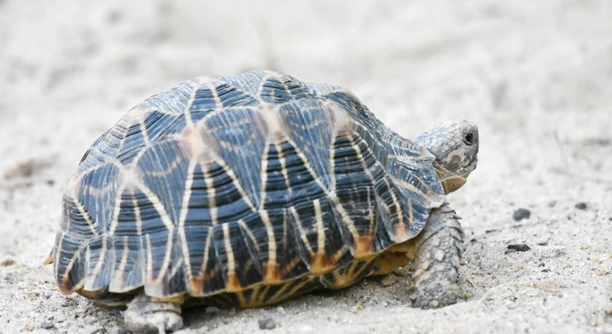
Maintaining a healthy and comfortable enclosure for your Indian star tortoise is essential for its well-being. Proper care and maintenance are key to providing a safe, enriching environment. This article covers the tools you’ll need to keep everything in top shape.
To ensure a thriving habitat for your Indian star tortoise, certain tools are essential for enclosure maintenance. These tools help with cleaning, temperature regulation, hydration, and overall habitat management, ensuring a suitable environment for your tortoise’s health.
From choosing the right substrate to managing humidity levels, there’s a lot to consider. These tools make it easier to create a safe, comfortable home for your tortoise while avoiding potential problems down the road.
Substrate for Comfort and Cleanliness
Choosing the right substrate is crucial in maintaining a comfortable environment for your tortoise. It helps absorb waste, retains humidity, and mimics natural surroundings. Coconut coir, soil, and grass hay are common choices. It’s essential to ensure the substrate is safe and clean to avoid any health issues.
The substrate should be replaced regularly to maintain a clean environment and prevent the buildup of bacteria. Keeping the enclosure tidy is as important as selecting the right material. Make sure the surface doesn’t retain too much moisture, which can lead to mold growth or parasites.
You also need to avoid using sand as a primary substrate, as it can cause digestive problems if ingested. A mixture of coconut coir and topsoil can create a perfect balance. This combination mimics the dry, earthy floors of their natural habitat, allowing your tortoise to burrow comfortably and naturally. Always keep an eye on the moisture level, as it can impact both the substrate’s cleanliness and the tortoise’s health.
Temperature and Humidity Control
Maintaining proper temperature and humidity is crucial for the health of your Indian star tortoise. These factors affect their digestion, growth, and overall well-being.
Providing a warm basking spot is essential for digestion and energy regulation. Using a reliable heat lamp or ceramic heater helps to create a thermal gradient within the enclosure. On the cool side, make sure the temperature stays low enough to give your tortoise a comfortable space for retreat. Maintaining proper humidity is equally important for hydration and healthy shedding. Regular monitoring of both temperature and humidity levels will ensure your tortoise remains comfortable and safe.
An easy-to-use thermometer and hygrometer are your best friends in this situation. These tools help you track the environment accurately. Make sure that the heat source doesn’t create too much dryness, which could harm your tortoise’s skin and respiratory health. Check the temperature in multiple spots within the enclosure to guarantee consistency. Keeping both elements in balance helps your tortoise feel secure in its habitat.
Cleaning Tools for a Safe Environment
Cleaning your tortoise’s enclosure is key to preventing diseases and promoting a healthy environment. It’s important to scrub surfaces with non-toxic cleaning products. A simple solution of mild dish soap and water works well for most tasks. Be sure to rinse everything thoroughly before placing your tortoise back in.
For deeper cleaning, a scrub brush and sponge are handy tools to remove any stuck debris from corners, walls, and accessories. Keeping the space dry is equally important to prevent mold and bacterial growth. Daily spot cleaning is necessary, especially around feeding areas where waste is likely to accumulate. A small rake or scoop helps remove soiled substrate and feces quickly.
Make sure to clean the water dish regularly. A dirty water bowl can easily become a breeding ground for bacteria. A water conditioner is also a great tool to ensure water quality stays up to standard. Regular cleaning of the enclosure will prevent parasites and ensure your tortoise’s health is never compromised.
UVB Lighting for Healthy Shells
UVB lighting is essential for your tortoise’s health, helping them process calcium and maintain strong shells. Without proper UVB exposure, your tortoise may develop metabolic bone disease or have difficulty shedding.
Install a UVB light that mimics natural sunlight, providing a range of 10-12 hours of light each day. Make sure it is placed at the right distance, as too much or too little light can be harmful. Replace the bulb every six months, as the UVB output decreases over time. In addition, try to keep the light on the basking area for maximum exposure.
UVB light not only helps with calcium absorption but also regulates your tortoise’s natural behavior, such as feeding and resting patterns. Some owners even let their tortoises bask outside in safe, supervised areas when weather permits. However, UVB light should always be provided indoors as a consistent backup to prevent deficiencies during colder months or rainy seasons.
Watering Systems for Hydration
Your Indian star tortoise needs a consistent supply of fresh water to stay hydrated. Using a water dish is common, but setting up a more efficient watering system can make maintenance easier.
A shallow, wide dish works well for smaller tortoises. For larger enclosures, you may want to consider a small fountain or automatic water dispenser that provides a continuous flow of fresh water. This can help reduce the frequency of water changes, ensuring your tortoise always has access to clean drinking water.
Make sure the water bowl is kept clean and filled daily. Water should be changed every day to prevent bacteria buildup and keep the water fresh. Position the water dish away from the basking area to avoid overheating the water. Keeping the water cool and clean also encourages your tortoise to drink more. Hydration is vital to their digestion and overall health, so monitoring the water source regularly is key.
Enclosure Size and Space
Providing enough space for your tortoise is essential. An appropriately sized enclosure helps your tortoise move freely, exercise, and feel safe in its environment. Too small of a space can lead to stress or health issues.
A good rule of thumb is to provide at least 4 times the length of your tortoise in the length and width of the enclosure. Larger enclosures give room for a basking spot, water dish, hiding areas, and more. Overcrowding should also be avoided, as it can stress out your tortoise and hinder its natural behaviors.
Hiding Spots and Enrichment
Tortoises enjoy having spaces to hide in when they feel stressed or want some alone time. These hiding spots also provide a sense of security. Use rocks, logs, or small enclosures within the larger habitat.
Adding enrichment items, like branches to climb or tunnels, can keep your tortoise active and mentally stimulated. These additions encourage natural behaviors like foraging and exploring.
Proper Ventilation for Air Quality
Ventilation is vital in keeping the air fresh and preventing mold or stagnant air. Ensure that your tortoise’s enclosure has proper airflow to regulate humidity levels. Keep vents clear and place them away from the basking spot to avoid direct drafts.
FAQ
How often should I clean my Indian star tortoise enclosure?
Cleaning the enclosure should be done at least once a week, with daily spot cleaning for waste removal. You should remove any soiled substrate, feces, or uneaten food right away to prevent bacteria build-up. The water dish should also be changed daily to ensure clean drinking water for your tortoise. Every few weeks, a more thorough cleaning should be done, which includes scrubbing the surfaces, removing old substrate, and replacing it with fresh material. Proper cleaning reduces the risk of health issues, such as infections or respiratory problems, that can arise from a dirty environment.
Can I use sand as the substrate for my Indian star tortoise?
Sand is not recommended as the primary substrate for Indian star tortoises. While it might seem like a natural choice, it can cause digestive issues if your tortoise accidentally ingests it while eating or digging. This can lead to impaction, which is dangerous and potentially fatal. Instead, opt for coconut coir, topsoil, or grass hay, which are safer and more suitable for the tortoise’s needs. These alternatives also provide the necessary moisture retention and allow for natural burrowing behaviors without posing a health risk.
What is the ideal temperature for an Indian star tortoise’s enclosure?
The ideal temperature for an Indian star tortoise enclosure should have a basking area that reaches between 90°F and 95°F (32°C to 35°C), with a cooler area of around 75°F to 80°F (24°C to 27°C). This thermal gradient allows your tortoise to regulate its body temperature and provides a comfortable range for digestion and relaxation. The nighttime temperature should drop to around 70°F to 75°F (21°C to 24°C) to mimic natural conditions. Always monitor the temperature with a reliable thermometer to prevent extreme heat or cold, both of which can be harmful to your tortoise.
Do Indian star tortoises need UVB light?
Yes, Indian star tortoises need UVB light to properly metabolize calcium and maintain a healthy shell. UVB light helps prevent metabolic bone disease and supports overall health. It is essential to provide UVB lighting for about 10-12 hours each day. A UVB bulb should be placed within a proper distance from the basking area to ensure adequate exposure. Remember to replace the UVB bulb every six months, even if it still provides light, as its UVB output diminishes over time. Natural sunlight can be beneficial, but ensure your tortoise is protected from direct, unfiltered sun for long periods to prevent overheating or burns.
How often should I feed my Indian star tortoise?
Indian star tortoises should be fed every day or every other day, depending on their age. Young tortoises need to eat more frequently (every day) as they are growing rapidly, while adults can eat every other day. Their diet consists mainly of leafy greens, grasses, and occasional fruits. Avoid feeding them too much high-calcium food like spinach, as it can affect calcium absorption. Offer a variety of foods such as dandelion greens, clover, and grasses. Fresh, clean water should always be available. Ensure that any food provided is free of pesticides or chemicals.
Can I house multiple Indian star tortoises together?
It’s possible to house multiple Indian star tortoises together, but it requires careful consideration. Males, in particular, can be territorial, and it’s best to house them separately to avoid fighting. If housing multiple tortoises, make sure the enclosure is large enough to provide each one with enough space. You should also have multiple food and water stations to reduce competition and stress. Monitoring their behavior is key—if you notice any signs of aggression or stress, it’s better to separate them. For the well-being of your tortoises, ensure that each one has access to their basking and hiding spots without being disturbed by others.
What are common health issues in Indian star tortoises?
Common health issues in Indian star tortoises include respiratory infections, shell rot, and metabolic bone disease (MBD). Respiratory infections are often caused by improper temperature and humidity levels in the enclosure. Shell rot occurs when the shell becomes damaged or exposed to excess moisture, causing infections. MBD is a result of inadequate UVB lighting and poor calcium intake, leading to weak shells and bones. To prevent these issues, ensure your tortoise has proper lighting, a balanced diet, and a clean, appropriately maintained enclosure. Regular checkups with a reptile vet can help catch problems early.
How do I know if my tortoise is stressed?
Signs of stress in Indian star tortoises include loss of appetite, hiding more than usual, aggressive behavior, or excessive pacing. Stress can be caused by overcrowding, inadequate space, improper temperatures, or lack of hiding spots. If your tortoise is stressed, assess the enclosure for potential issues, such as a temperature imbalance or the presence of other stressed animals. Make sure the tortoise has a proper hiding area and that the environment is calm and stable. If symptoms persist, a visit to the vet may be necessary to rule out any underlying health issues.
Can I take my Indian star tortoise outside?
Yes, you can take your Indian star tortoise outside, but only in a safe, enclosed area. Supervised outdoor time allows your tortoise to bask in natural sunlight, which is great for their health and vitamin D production. However, ensure the area is escape-proof and free of predators. Always keep an eye on your tortoise to prevent it from wandering off. If you’re outside for a long time, make sure there’s shade available to prevent overheating. Don’t leave your tortoise outside unattended, as they can easily get lost or injured.
Maintaining an Indian star tortoise enclosure requires attention to detail and consistency. It’s important to provide a safe, clean, and comfortable environment for your tortoise to thrive. By paying attention to the right substrate, temperature, humidity, and UVB lighting, you can help ensure your tortoise’s health and well-being. Each element of the enclosure works together to create a balanced habitat that meets the tortoise’s needs.
Regular maintenance is key to preventing health issues and stress. Cleaning the enclosure frequently, providing fresh water daily, and ensuring proper ventilation are just a few of the simple tasks that can make a big difference. Monitoring the temperature and humidity ensures that your tortoise’s environment remains stable. Over time, you’ll become more familiar with what your tortoise prefers and adjust the setup as needed. These small adjustments can go a long way in keeping your pet happy and healthy.
It’s also important to be patient and mindful of your tortoise’s behavior. If it seems stressed, it may be an indication that something in its environment needs adjusting. Whether it’s the space, temperature, or the food offered, understanding your tortoise’s needs will help prevent problems before they arise. Taking the time to invest in the right tools and maintaining the enclosure properly will lead to a long, healthy life for your Indian star tortoise.

Hello,
If you enjoy the content that we create, please consider saying a "Thank You!" by leaving a tip.
Every little bit helps us continue crafting quality advice that supports the health, happiness, and well-being of pets around the world, for pets of all shapes, sizes, and species.
We really appreciate the kindness and support that you show us!