
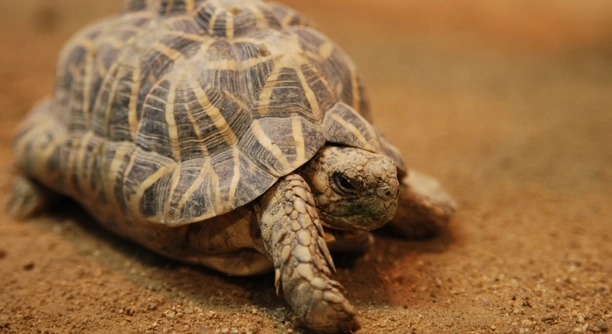
Indian Star Tortoises are known for their gentle nature and herbivorous diet. As responsible pet owners, we want to ensure that their meals are both nutritious and safe. Blackberry leaves are among the many plants often considered for their diet.
Indian Star Tortoises can eat blackberry leaves in moderation. While not harmful, these leaves should be offered sparingly as part of a varied diet to prevent any digestive upset and ensure balanced nutrition.
Learning about what’s safe and healthy for your tortoise helps ensure its well-being. Let’s explore more about feeding blackberry leaves and other tips for a balanced diet.
Are Blackberry Leaves Safe for Indian Star Tortoises?
Blackberry leaves are not toxic to Indian Star Tortoises, making them a safe snack in moderation. These leaves are high in fiber and nutrients that can benefit your tortoise, but too much of them can lead to digestive issues. Just like with other plants, variety is key to providing a balanced diet. Offering blackberry leaves occasionally is a great way to add diversity to your tortoise’s meals without overwhelming their system. However, always ensure that the leaves are fresh and free of pesticides before feeding them.
Offering a mix of leafy greens, such as dandelion greens and clover, alongside occasional blackberry leaves will help maintain a balanced diet for your tortoise.
Feeding your tortoise a variety of fresh, clean plants is crucial for its overall health. Always check for any signs of upset stomachs, like lethargy or reduced appetite, after feeding new foods. If you notice any adverse reactions, it’s best to consult a veterinarian for guidance on the proper diet. Providing a safe and balanced range of leaves and greens ensures that your tortoise stays healthy and active.
How Often Should You Feed Blackberry Leaves to Your Tortoise?
Blackberry leaves can be given to your tortoise once or twice a week.
Feeding blackberry leaves more frequently than this may upset the balance of nutrients in your tortoise’s diet. Though they provide some important vitamins, relying too heavily on one type of leaf could lead to a nutritional imbalance. Instead, combine blackberry leaves with other safe plants to give your tortoise variety. When you do feed them, ensure the leaves are washed thoroughly to remove any dirt, chemicals, or pesticides. It’s also helpful to chop the leaves into smaller pieces, making them easier for your tortoise to consume. Keeping a feeding schedule will help you avoid overfeeding and support a healthier diet for your pet.
Nutritional Benefits of Blackberry Leaves
Blackberry leaves are rich in fiber, calcium, and vitamins like Vitamin C. These nutrients are essential for your tortoise’s digestion and bone health. They can help support a balanced diet when fed occasionally alongside other greens. However, they should not be the sole food source.
The high fiber content in blackberry leaves aids in digestion and can help prevent constipation in your tortoise. Calcium is vital for maintaining strong bones and shell health. Vitamin C boosts immunity, helping to protect your tortoise from common illnesses. Even though blackberry leaves are a good addition to their diet, they should be part of a more varied meal plan to avoid overconsumption of any one nutrient. Balance is key to keeping your tortoise healthy.
While blackberry leaves offer nutritional benefits, they should be offered in moderation. Offering a variety of plants ensures that your tortoise gets a well-rounded nutrient intake. Too much of any one plant could cause an imbalance, so a mix of different greens and occasional fruits is ideal for optimal health.
Potential Risks of Feeding Blackberry Leaves
Blackberry leaves are generally safe for tortoises, but overfeeding them can lead to digestive upset. This could cause symptoms like diarrhea or stomach discomfort. It’s essential to avoid offering them in large amounts.
If fed too frequently, blackberry leaves can disrupt your tortoise’s digestive system. Some tortoises are more sensitive to certain plants, and too much fiber can cause bloating or gas. Always start with small portions and observe your tortoise for any unusual behavior or signs of distress. If you notice any digestive problems, stop feeding the leaves and consult a vet for advice.
How to Prepare Blackberry Leaves for Your Tortoise
Before feeding blackberry leaves to your tortoise, it’s important to wash them thoroughly to remove any dirt or pesticides. Fresh, organic leaves are the best choice, but if not available, ensure you wash non-organic leaves properly. Always remove any wilted or damaged leaves before offering them.
To prepare the leaves, simply rinse them under cold water and inspect for any visible contaminants. If you’re unsure about pesticides or other chemicals, it’s a good idea to soak the leaves for a few minutes to help clean them more effectively. Cut the leaves into smaller pieces to make it easier for your tortoise to eat, especially if they’re young or smaller in size. This preparation ensures that the leaves are safe and easy for your pet to consume.
Other Plants You Can Feed to Your Tortoise
Besides blackberry leaves, there are plenty of other safe and nutritious plants to offer your tortoise. Dandelion greens, clover, and hibiscus are just a few examples of good additions to their diet. Always rotate different plants to keep things interesting and balanced.
Offering a variety of plants helps maintain a healthy diet for your tortoise. Many wild tortoises naturally eat a diverse range of plants, so providing this variety mimics their natural feeding behavior. Some plants like dandelion greens are rich in calcium, while others provide additional vitamins and fiber. Be sure to avoid feeding any plants that are toxic to tortoises, like ivy or azaleas, and always check for any harmful chemicals before serving. A balanced plant-based diet keeps your tortoise healthy and active.
FAQ
Can tortoises eat blackberry leaves every day?
No, blackberry leaves should not be fed to your tortoise every day. While they are safe and nutritious, feeding them too frequently could lead to digestive issues or an imbalance in your tortoise’s diet. Offer blackberry leaves as an occasional treat, alongside other greens like dandelion leaves or clover. A varied diet is essential for maintaining their overall health.
Are blackberry leaves safe for all types of tortoises?
Blackberry leaves are generally safe for most species of tortoises, but it’s always best to research the specific needs of your pet. Different species may have slightly different dietary requirements. For example, some tortoises, like desert species, may need more cactus or dry grasses rather than leafy greens. However, for most commonly kept species, blackberry leaves are a safe addition when fed in moderation.
How should I introduce blackberry leaves to my tortoise’s diet?
Introduce blackberry leaves slowly into your tortoise’s diet to allow their digestive system to adjust. Start with small amounts and monitor how your tortoise responds. If they seem to enjoy the leaves without any negative side effects, you can gradually increase the serving size. Always observe for signs of upset stomach, like diarrhea or lack of appetite, which could indicate overfeeding.
What are the best ways to store blackberry leaves?
Blackberry leaves should be stored in a cool, dry place, away from direct sunlight. If you’re not feeding them immediately, you can store them in a refrigerator to keep them fresh for a few days. If you’re harvesting them yourself, it’s best to collect them in the morning when they are fresh and clean. Avoid storing them for too long as they can wilt and lose their nutrients.
Can I feed blackberry leaves that are not organic?
While non-organic blackberry leaves are not toxic, they may contain pesticides or other chemicals. If you’re feeding non-organic leaves to your tortoise, be sure to wash them thoroughly under running water. Soaking them for a few minutes can also help remove any residues. If you can, try to choose organic leaves, as these are less likely to contain harmful chemicals.
What other food should I feed my tortoise along with blackberry leaves?
Blackberry leaves can be paired with other leafy greens such as dandelion leaves, collard greens, and mustard greens. Adding flowers like hibiscus or safe herbs like parsley can enhance your tortoise’s diet. For variety, you can also include edible weeds like clover or plantain. Make sure to avoid feeding your tortoise any foods that are high in oxalates, such as spinach, which can interfere with calcium absorption.
Can I feed my tortoise fruit along with blackberry leaves?
While fruits can be an occasional treat, they should not be a regular part of your tortoise’s diet. Fruits are high in sugar and may lead to obesity or digestive issues if fed in excess. If you do decide to feed fruit, stick to small amounts of safe fruits like strawberries, raspberries, or apples. Offer them separately from the leafy greens to avoid any upset stomach.
What are the signs that my tortoise is not tolerating blackberry leaves well?
If your tortoise is not tolerating blackberry leaves, you may notice signs of digestive distress, such as diarrhea, reduced appetite, or lethargy. Some tortoises are more sensitive to certain plants, and even small amounts could upset their stomachs. If you notice any of these symptoms, stop feeding blackberry leaves and consult your veterinarian for advice on adjusting their diet.
Can blackberry leaves cause any long-term health issues in tortoises?
Blackberry leaves do not generally cause long-term health issues when fed in moderation. However, overfeeding can lead to digestive problems or nutrient imbalances. It’s important to maintain a varied diet for your tortoise, including a mix of leafy greens, grasses, and edible flowers, to ensure they receive all the nutrients they need for long-term health.
Are there any plants that should never be fed to my tortoise?
Yes, there are several plants that are toxic to tortoises. Avoid feeding your tortoise plants like ivy, azalea, oleander, and certain types of lilies. Always research a plant before offering it to your tortoise to ensure it is safe. If you are ever unsure, it’s best to err on the side of caution and avoid the plant entirely.
Can I feed dried blackberry leaves to my tortoise?
Dried blackberry leaves are safe for tortoises as long as they have not been treated with preservatives or chemicals. However, fresh leaves are preferable because they retain more of their nutritional value. If you choose to feed dried leaves, ensure they are clean and free from any additives. Additionally, rehydrate the dried leaves before serving them to make them easier for your tortoise to digest.
Should I wash blackberry leaves before feeding them to my tortoise?
Yes, you should always wash blackberry leaves before feeding them to your tortoise. This helps remove any dirt, insects, or potential pesticide residues that could be harmful. Even if you are picking the leaves from your own garden, a thorough rinse ensures they are clean and safe to eat.
How can I tell if my tortoise is getting enough variety in its diet?
A healthy tortoise will eat a variety of different foods, including a mix of leafy greens, flowers, and grasses. If your tortoise is showing signs of boredom, like refusing to eat, it could be a sign that their diet lacks variety. Offer different plants and observe their reaction to ensure they’re enjoying their meals. A varied diet helps prevent nutritional deficiencies and keeps your tortoise active and healthy.
Can blackberry leaves cause kidney problems in tortoises?
There is no evidence to suggest that blackberry leaves cause kidney problems in tortoises. However, feeding too many high-oxalate plants (like spinach) or overfeeding any plant in large quantities can contribute to health issues over time. Blackberry leaves in moderation are safe, but always balance them with other types of food to avoid any potential problems.
Are there any other berries that I can feed my tortoise?
Some tortoises enjoy berries such as strawberries, raspberries, and blueberries. However, these should be offered as occasional treats, not as a staple food, since they are high in sugar. Always serve them in small portions and make sure to remove any seeds that could pose a choking hazard.
Final Thoughts
Blackberry leaves can be a beneficial addition to your tortoise’s diet when fed in moderation. These leaves are rich in fiber, calcium, and essential vitamins that help with digestion and overall health. As part of a varied diet, they can provide your tortoise with nutrients they need to thrive. However, like with any food, overfeeding is a concern. Too many blackberry leaves could lead to digestive upset or an imbalance in your tortoise’s diet. A balanced mix of different greens, flowers, and grasses is the best way to ensure your pet remains healthy.
It’s also important to remember that not all tortoises have the same dietary needs. Different species may require different types of plants, and some may be more sensitive to certain foods than others. While blackberry leaves are generally safe, always observe your tortoise’s reactions when introducing new foods. Signs of digestive distress, such as diarrhea or lack of appetite, should be taken seriously. If your tortoise shows these symptoms, it may be necessary to consult with a veterinarian or adjust their diet accordingly. A little caution can go a long way in keeping your tortoise in good health.
Finally, always be sure to provide fresh, pesticide-free blackberry leaves and other plants. Washing the leaves thoroughly before feeding them is essential to remove any harmful residues. It’s a simple step that can help keep your tortoise safe and healthy. By ensuring variety in their diet and avoiding overfeeding any one plant, you will support your tortoise’s long-term well-being. Regular checkups with your vet will also help you stay informed about any changes in your pet’s dietary needs. With the right care, blackberry leaves can be a safe and healthy treat for your tortoise.

Hello,
If you enjoy the content that we create, please consider saying a "Thank You!" by leaving a tip.
Every little bit helps us continue crafting quality advice that supports the health, happiness, and well-being of pets around the world, for pets of all shapes, sizes, and species.
We really appreciate the kindness and support that you show us!