
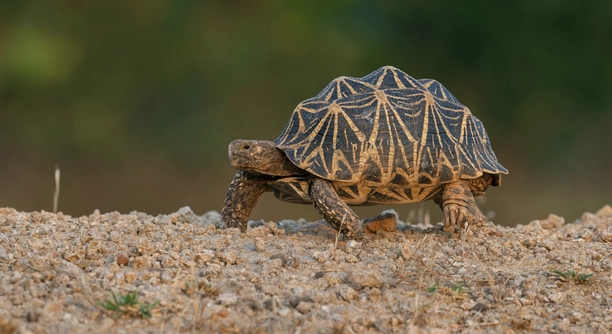
An Indian Star Tortoise may often climb its water bowl due to a variety of reasons. This behavior is not unusual and can be a sign of natural instincts or environmental factors that impact its actions.
The primary reason your tortoise climbs the water bowl could be due to its search for a better temperature or hydration source. Tortoises often seek elevated positions or areas that seem more comfortable or suitable to their needs.
Understanding these behaviors can help you adjust its habitat, ensuring it is comfortable and healthy while preventing unnecessary stress.
Understanding Tortoise Behavior
Indian Star Tortoises are naturally curious animals. Their tendency to climb the water bowl often arises from instinctive behavior or the search for comfort. This could be due to the need for a better vantage point or simply seeking a cooler or warmer place to rest. In the wild, tortoises are known to climb on various surfaces to get a better view of their surroundings or find a comfortable spot. When kept in captivity, they may engage in similar behavior, trying to replicate what comes naturally to them. The act of climbing the water bowl could also be linked to a lack of sufficient environmental enrichment. If the tortoise is not given enough things to explore, it may resort to climbing as a form of entertainment or stress relief.
Over time, tortoises may also learn to associate climbing with a rewarding outcome. Whether it’s the coolness of the water or a better view, their repeated actions become a form of habit. As a pet owner, understanding this behavior is crucial to making your tortoise feel at ease and more comfortable in its environment.
Creating a Comfortable Habitat
To ensure your tortoise’s happiness, it’s important to assess its habitat for areas where it can comfortably move around. Tortoises benefit from having sufficient space, climbing structures, and objects to explore. Keeping a variety of environmental features will reduce the need to climb the water bowl for stimulation. A well-balanced environment will help keep your tortoise from becoming overly focused on any one area, including the water bowl.
Providing plenty of hiding spots and gentle gradients will also help your tortoise feel secure. The key is to create a habitat that mimics their natural surroundings, offering a range of activities without encouraging harmful habits.
Temperature and Hydration Needs
Tortoises often climb their water bowls in search of optimal temperatures. A tank that’s too hot or too cold can cause your tortoise to become restless and look for ways to adjust its environment. Ensuring that the enclosure has areas with appropriate temperature gradients will help reduce the need for climbing behaviors.
An ideal temperature range for an Indian Star Tortoise is around 85°F to 95°F during the day. Providing a basking area where the tortoise can warm up is just as important as having a cooler space to retreat to. Make sure the water bowl isn’t placed directly under a heat source, as this could make it a focal point for climbing. Always check that the humidity levels in the tank are suitable to prevent dehydration, which could further encourage this behavior.
Adequate hydration is essential for your tortoise’s well-being. While they might climb the water bowl looking for better access to water, it’s important to provide clean, fresh water regularly. The bowl should be shallow enough for easy access, yet large enough to offer enough hydration throughout the day.
Enrichment and Space
Tortoises thrive in an enriched environment that offers them ample room to explore and move. When an enclosure is too small, climbing behaviors may increase as they search for more space or stimulation. A larger area allows the tortoise to roam, forage, and explore, reducing the chances of it becoming fixated on climbing the water bowl.
Incorporating natural elements like rocks, logs, and plants will offer opportunities for climbing and exploration. This not only keeps your tortoise engaged but also allows it to express its natural instincts. The more variety you provide, the less likely the tortoise will need to climb just for entertainment. A spacious and varied environment will improve their overall health and happiness, giving them the room they need to thrive.
Health and Stress
Stress is another factor that can lead to climbing behaviors. An uncomfortable environment, such as excessive noise, improper humidity, or other stressors, can make your tortoise feel unsafe, prompting it to climb for a sense of security. Monitoring these factors will help reduce stress.
Health problems could also be the underlying cause of climbing. If your tortoise is feeling unwell or in pain, it may climb the water bowl as a way to cope. Keeping an eye on changes in its behavior and habits will help you identify any health issues early on. A vet check-up is recommended if unusual behavior persists.
Feeding Habits
Improper feeding practices could also contribute to climbing. Overfeeding or underfeeding can affect your tortoise’s behavior. Ensure it is getting the right amount of food and that the diet is varied and balanced. An ideal diet should include fresh vegetables and occasional fruits.
Overfeeding might cause your tortoise to become sluggish or more restless, which can lead to climbing behaviors. An inconsistent feeding schedule might also confuse your tortoise, affecting its daily routine. A proper feeding routine that aligns with natural instincts will help keep your tortoise calm and content in its habitat.
Water Bowl Placement
The placement of the water bowl matters. If it is in an area that the tortoise frequently associates with climbing, it may continue this behavior out of habit. Avoid placing it under direct heat or near corners where the tortoise feels trapped.
FAQ
Why does my tortoise climb the water bowl?
Climbing the water bowl is a common behavior for Indian Star Tortoises. They may be looking for a cooler or warmer place, as they instinctively search for comfort. Tortoises climb when they feel the need to adjust their environment or explore their surroundings. If the water bowl is in a location that seems more comfortable or offers a better view, the tortoise might climb it frequently. Ensuring the habitat has adequate space, hiding spots, and varied surfaces will help reduce the need for this behavior.
How can I prevent my tortoise from climbing the water bowl?
To stop your tortoise from climbing the water bowl, focus on improving its habitat. Provide more enriching elements like logs, rocks, or plants that can be climbed instead. A larger enclosure with more space for exploration reduces stress and boredom, which may contribute to climbing behavior. Ensure the water bowl is appropriately placed away from heat sources or areas that encourage climbing.
Does climbing the water bowl indicate stress in my tortoise?
Yes, climbing the water bowl can sometimes be a sign of stress. If your tortoise is feeling unsafe or uncomfortable, it may climb the water bowl in search of a more secure spot or a cooler environment. Stressors like temperature fluctuations, overcrowding, or improper humidity levels can cause this behavior. Check your tortoise’s living conditions for signs of discomfort and adjust the environment to make it more relaxing for your pet.
Can a small enclosure cause climbing behavior?
A small enclosure can contribute to climbing behavior. When the space is limited, tortoises may seek out ways to entertain themselves or find a more comfortable spot. Climbing becomes a way to escape from the confined space, or they may try to climb in search of food, water, or a better temperature. Providing a larger, more varied environment will allow the tortoise to express its natural behavior, reducing the need for climbing the water bowl.
Is climbing harmful to my tortoise?
Climbing itself is not harmful if the tortoise is allowed to do so safely. However, excessive climbing on unsuitable surfaces, like a water bowl, may lead to injury or stress. It’s important to ensure that climbing opportunities are provided in a safe manner, such as with properly placed rocks or logs. Avoid any hazards like sharp edges or unstable structures that could harm your tortoise during climbing.
How often should I clean the water bowl?
You should clean your tortoise’s water bowl regularly to maintain proper hygiene. It is recommended to clean it daily or at least every other day. Regular cleaning helps prevent the buildup of bacteria and ensures that your tortoise has access to fresh, clean water. Make sure to rinse the bowl thoroughly before refilling it with clean water to prevent any residue or contaminants from affecting your tortoise’s health.
What is the ideal humidity level for my tortoise?
The ideal humidity level for an Indian Star Tortoise should range from 50% to 70%. If the humidity is too low, it can lead to dehydration, while high humidity levels can cause respiratory problems. Maintain the proper humidity by regularly misting the enclosure and using a humidifier if needed. Keep an eye on the humidity with a hygrometer to ensure the levels are within the correct range.
Can I use a shallow water bowl for my tortoise?
Yes, a shallow water bowl is ideal for your tortoise. It should be easy for the tortoise to access and large enough to allow it to drink or soak comfortably. A shallow bowl will also help prevent the tortoise from climbing in and out of the water as a form of escape or exploration. Ensure the water bowl is not too deep or unstable, as this can lead to accidents.
Is my tortoise climbing because it is hungry?
While climbing might sometimes indicate that a tortoise is looking for food, it is more often a sign of stress or boredom. If your tortoise is hungry, it will typically search for food in a more direct way, such as going to its feeding area. However, if there’s a lack of food availability or if the tortoise’s routine is disrupted, it may show signs of restlessness and climb the water bowl. Always provide a regular feeding schedule to avoid this issue.
How can I provide more enrichment for my tortoise?
To provide more enrichment for your tortoise, add a variety of objects to its enclosure. Logs, rocks, and plants provide opportunities for climbing, hiding, and exploring. You can also rotate the placement of these objects to keep the tortoise engaged. Including different textures and surfaces will help satisfy the tortoise’s natural instincts and reduce boredom, which may be the cause of climbing behavior.
Should I place the water bowl in a specific area of the enclosure?
Yes, the placement of the water bowl is important. It should be placed in an area that is easily accessible but not directly under heat sources or in the way of other important areas like basking spots. A water bowl placed in the corner or near a hiding spot may encourage climbing behaviors. Position the water bowl in a way that doesn’t interfere with the tortoise’s ability to explore the rest of its environment.
Final Thoughts
Understanding why your Indian Star Tortoise climbs the water bowl is essential for providing a comfortable environment. Tortoises engage in climbing behaviors for various reasons, including seeking comfort, exploring their habitat, or responding to stress. By paying attention to your tortoise’s behavior and adjusting its environment accordingly, you can reduce this climbing. Offering a larger space, adding climbing surfaces, and ensuring the water bowl is placed in an ideal spot will help your tortoise feel secure. Observing its behavior closely can guide you in making the necessary changes.
It is also important to consider your tortoise’s overall health. Climbing could be a sign of discomfort, whether due to improper temperature, humidity, or possible health issues. Ensuring proper care, such as regular cleaning of the water bowl and a well-balanced diet, contributes to its well-being. A check-up with a veterinarian can help address any underlying health problems that may cause unusual behavior. Keeping the habitat stress-free is crucial for the long-term health of your tortoise.
Lastly, remember that tortoises are naturally curious creatures. Their climbing behavior may stem from the need for stimulation or the desire to explore their environment. By providing a well-rounded and enriching habitat, you can satisfy your tortoise’s curiosity and reduce unwanted behaviors. With patience and attention to its needs, you can ensure that your tortoise remains happy and healthy, reducing climbing and creating a space that allows it to thrive.

Hello,
If you enjoy the content that we create, please consider saying a "Thank You!" by leaving a tip.
Every little bit helps us continue crafting quality advice that supports the health, happiness, and well-being of pets around the world, for pets of all shapes, sizes, and species.
We really appreciate the kindness and support that you show us!