
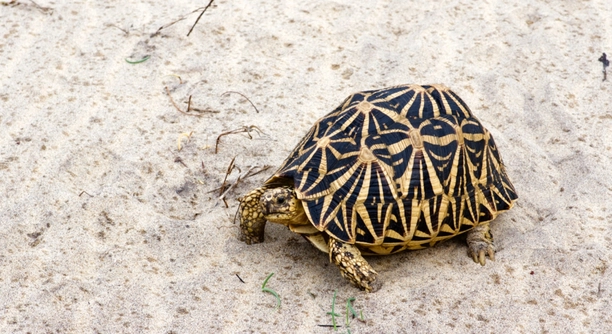
Transporting Indian Star Tortoise eggs requires careful handling to ensure they remain safe during their journey. Proper precautions must be taken to avoid any damage to the eggs, as they are delicate and sensitive to environmental conditions.
To safely transport Indian Star Tortoise eggs, it is essential to maintain a controlled environment with stable temperatures, humidity, and minimal vibrations. Place the eggs in a secure container, ensuring they remain undisturbed throughout the trip.
By following a few simple steps, you can protect these valuable eggs and ensure their safe arrival. The process is straightforward once you understand the necessary precautions.
Preparing the Eggs for Transport
Before you transport Indian Star Tortoise eggs, you must carefully prepare them. Handle the eggs gently, as they can be easily damaged by rough handling. It’s important to avoid turning them upside down or shaking them, as this could harm the embryo inside. If possible, identify the top side of the egg before moving it, marking it lightly with a pencil or non-toxic marker. This will help ensure the eggs stay in the correct orientation during transport, reducing the risk of damaging the developing tortoises.
If you need to pack several eggs, make sure each one is placed in its own small compartment. You can use a soft material like foam or shredded paper to cushion the eggs. This will prevent them from shifting or colliding with each other, reducing the chance of breakage.
The key is to make sure the eggs remain in their natural position and are not exposed to any external shocks.
Maintaining the Right Environment
Keeping the eggs in the proper environment is critical. Temperature and humidity play a huge role in their development. Keep the eggs at a stable temperature of around 85°F (29°C) for the entire duration of the transport. Fluctuations in temperature can harm the eggs, causing them to stop developing or even die.
To maintain the humidity, you can place a damp cloth or sponge in the container, ensuring it is not soaking wet. Too much moisture could lead to mold, while too little can dry out the eggs. A little moisture goes a long way in maintaining the ideal humidity levels.
Ensure the container is ventilated so the eggs don’t suffocate, but avoid exposing them to direct airflow or bright lights. This can dry them out or overheat them. Keeping them cool, damp, and well-protected will increase the likelihood of successful hatching when they reach their destination.
Securing the Transport
Next, make sure the eggs are safely secured during transport. Whether you are traveling by car, plane, or another method, find a sturdy container that won’t easily shift or tip over. A well-sealed box or insulated container can help to protect the eggs from any external impact or change in temperature.
If you’re using a cooler, make sure it has adequate padding and is not too cold. You don’t want the eggs to be exposed to freezing temperatures, so check the container’s internal temperature regularly. A reliable thermometer inside the box can help monitor conditions.
Keeping the eggs stable is key. Consider transporting the eggs in a car, if possible, so they remain in one location without too much motion. Avoid placing them in any place where they could be tossed around or exposed to sudden temperature changes. Taking extra care in securing the eggs will ensure their safe arrival at their destination.
Choosing the Right Container
Selecting the proper container is vital to protect Indian Star Tortoise eggs. The container should be sturdy, well-ventilated, and capable of holding the eggs securely without any room for movement. A soft plastic box or a foam-lined container is a good option. Make sure it’s large enough to avoid crushing the eggs, but small enough to prevent them from shifting during transport.
The box should have small holes or vents for air circulation, as too much condensation can form inside if airflow is restricted. It’s important to maintain balance—too much air circulation can cause humidity loss, but too little can lead to mold growth. A breathable but controlled environment is essential for the eggs.
Ensure that the container is tightly sealed to prevent the eggs from being exposed to sudden changes in temperature or dust. Keeping it clean and secure will protect the eggs from both external elements and any potential risks during transport.
Minimizing Vibration
Minimizing vibration is crucial when transporting tortoise eggs. Any shaking or jarring can damage the eggs, so ensure they are placed in a cushioned area. Use packing materials like bubble wrap or foam to keep the eggs stable. Avoid placing them in areas where they might be moved too much, such as the trunk of a car.
Place the container in a secure position inside the vehicle or transport unit. It’s best to choose a spot that is flat and undisturbed, such as the backseat floor, rather than on a moving shelf. The idea is to keep the eggs as still as possible.
Preventing excessive vibration during transport also helps maintain proper humidity and temperature. Sudden shifts can disrupt the delicate balance of the environment and harm the eggs. Stability is key for the eggs to develop safely until they reach their destination.
Checking Temperature Regularly
Monitoring the temperature during transport is essential for the health of Indian Star Tortoise eggs. A small thermometer placed inside the container can help you track the temperature accurately. Aim for a steady temperature of around 85°F (29°C). Make adjustments if necessary to keep the eggs comfortable.
If you are using a cooler, be sure to check the internal temperature every few hours to ensure it stays within the optimal range. If you’re traveling for a long period, consider using a temperature-controlled unit to avoid any risk of overheating or cooling down too much.
Avoiding Direct Sunlight
Direct sunlight can quickly raise the temperature inside the container, which may harm the eggs. Keep the container in a shaded area, away from windows or any direct light sources. The goal is to maintain a cool and stable environment for the eggs.
It’s best to transport the eggs during cooler parts of the day if possible. Avoid parking the container in sunny spots during breaks. Maintaining a consistent, moderate temperature will increase the chance of successful hatching.
Humidity Control
Maintaining proper humidity is another critical factor in transporting Indian Star Tortoise eggs. Keep a damp cloth or sponge inside the container, but make sure it’s not dripping wet. A slightly moist environment will help keep the eggs from drying out.
If you don’t have a humidity monitor, check the damp cloth regularly to ensure it’s maintaining moisture. The humidity should stay between 60% and 80% to keep the eggs comfortable.
FAQ
How long can Indian Star Tortoise eggs be safely transported?
Indian Star Tortoise eggs can be transported for up to 24 to 48 hours if handled properly. The shorter the trip, the better it is for the eggs, as long trips increase the chances of temperature or humidity fluctuations that could harm the developing embryos. Ensure that the eggs are kept in a stable environment and monitor them carefully during the entire transport process.
Can I transport Indian Star Tortoise eggs by air?
Yes, Indian Star Tortoise eggs can be transported by air, but it requires extra precautions. You need to make sure that the eggs are in a well-insulated, secure container. Avoid placing the container in the cargo hold, as it may be exposed to significant temperature and pressure changes. Opt for carrying the eggs as part of your hand luggage if possible, so you can monitor them during the flight. Always inform the airline about the fragile nature of the eggs.
What happens if the eggs are exposed to extreme temperatures during transport?
Extreme temperatures—either too hot or too cold—can be deadly to tortoise eggs. If the temperature rises too high, the embryos can overheat, leading to death. If the temperature drops too low, the embryos may stop developing, and the eggs could become non-viable. It’s crucial to keep the temperature within the ideal range of 85°F (29°C). Check regularly to ensure the eggs are not exposed to extreme conditions.
How do I know if the eggs are properly oriented during transport?
It’s important to keep the eggs in the same orientation as they were originally laid. The top of the egg (the rounded end) should be facing upwards. Before transport, mark the top side with a pencil or non-toxic ink so you can easily identify which side should remain on top. This will prevent any unnecessary movement of the embryo and help maintain its proper development.
Should I refrigerate Indian Star Tortoise eggs during transport?
No, Indian Star Tortoise eggs should never be refrigerated during transport. The cold temperatures of a refrigerator can halt the development process or kill the embryos. Instead, keep the eggs at a constant temperature around 85°F (29°C). A slight cooler temperature may be acceptable, but avoid anything close to freezing or excessively warm temperatures.
What is the best way to pack the eggs for transport?
Packing the eggs carefully is essential to minimize the risk of damage. Use a container with soft padding like foam or soft tissue to cushion the eggs. Ensure there’s enough space so they don’t shift around, but not too much that they could roll or become displaced. It’s also helpful to separate each egg into its own compartment within the container to further reduce movement.
Can I transport the eggs in a plastic container?
Yes, a plastic container can be used as long as it is strong and well-ventilated. The plastic should be flexible enough to provide some cushioning in case of minor impacts. Make sure the container is clean and free from any chemicals or residues that could harm the eggs. It’s also important to ensure that the plastic doesn’t trap too much heat or moisture inside.
How do I prevent the eggs from drying out during transport?
To prevent the eggs from drying out, make sure there is a damp cloth or sponge inside the container. The moisture should be light to maintain the proper humidity level without soaking the eggs. Too much moisture can lead to mold growth, so it’s important to check regularly to keep the humidity balanced.
Is it safe to transport tortoise eggs for a longer period of time?
Long-term transport is risky for tortoise eggs, especially if the eggs will be in transit for several days. If you must transport them over long distances, take every possible precaution to ensure stable temperatures and humidity. Frequent checks during transport will be necessary to ensure the eggs remain viable. Consider professional services if the trip is expected to be prolonged.
What should I do if the eggs show signs of cracking?
If the eggs show any cracks, they should not be transported. A cracked egg can lead to contamination, dehydration, or a loss of the developing embryo. If you notice a crack, the best course of action is to handle the egg delicately and place it in a stable environment where it can be carefully monitored or even incubated.
Transporting Indian Star Tortoise eggs requires careful attention to detail, but with the right steps, it can be done safely. The main factors to keep in mind are temperature, humidity, and vibration control. Eggs are very delicate, and even small changes in their environment can cause harm. By preparing the eggs carefully and choosing the right container, you can ensure they stay safe during the transport process. Simple tools like a thermometer and humidity monitor can help you maintain the ideal conditions. When handling the eggs, always treat them gently and make sure to keep track of their orientation to avoid damaging the developing embryos.
It’s also important to choose the best transport method for the eggs. Whether you’re traveling by car or plane, always try to minimize the eggs’ exposure to any extreme conditions, such as excessive heat or cold. If possible, keep the eggs with you rather than placing them in checked luggage, especially on a plane. When traveling by car, avoid shaking or jarring the eggs by placing them in a secure and cushioned container. Regular checks during the journey can help ensure that the eggs remain in the right environment. Taking extra care to stabilize the temperature and humidity levels will greatly increase the chance of a successful hatching when you reach your destination.
In the end, transporting tortoise eggs is about being prepared and careful. It may seem like a lot of work, but the effort is worth it to ensure the eggs’ safety. The right environment can make all the difference in whether the eggs survive and eventually hatch. By following the guidelines and understanding the needs of the eggs, you will provide the best possible conditions for them during the transport process. Though it may require patience and attention, it is a rewarding experience to successfully transport the eggs and give them the best chance for healthy development.

Hello,
If you enjoy the content that we create, please consider saying a "Thank You!" by leaving a tip.
Every little bit helps us continue crafting quality advice that supports the health, happiness, and well-being of pets around the world, for pets of all shapes, sizes, and species.
We really appreciate the kindness and support that you show us!