
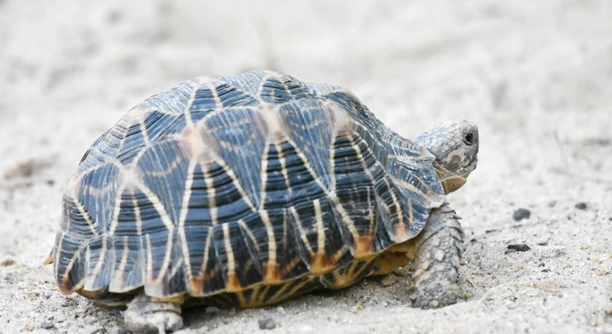
Indian star tortoises are fascinating creatures, known for their beautiful shell patterns and calm nature. As a pet, they have specific needs, and understanding their behavior is key to keeping them healthy and happy.
Indian star tortoises are solitary animals and do not experience loneliness in the way humans or some other pets might. They prefer to live alone and are generally independent creatures, focusing on their own needs and environment.
Understanding how to provide the best care for your tortoise can help ensure they thrive. This includes addressing their space, diet, and environment to keep them content and healthy.
Do Indian Star Tortoises Need Companionship?
Indian star tortoises do not require the constant companionship of other tortoises. They are solitary creatures by nature, typically roaming alone in the wild. Their independence means they are not likely to suffer from loneliness like some other animals, such as dogs or rabbits. Instead of interacting with others, they focus on exploring their surroundings, feeding, and basking.
Though they can coexist with other tortoises, they are generally content by themselves and do not rely on social connections for emotional well-being. Keeping them alone is usually the best option for their comfort and stress levels.
In captivity, providing them with enough space and environmental enrichment is more important than getting them a companion. It’s crucial to create an environment where your tortoise feels safe, with access to UV light, water, and the right temperature. A well-set-up habitat encourages natural behaviors, ensuring your tortoise remains healthy and happy without needing to interact with others constantly.
How Can You Tell if Your Tortoise is Lonely?
If your tortoise is lonely, it may show signs of stress. These signs include refusal to eat, lethargy, or spending too much time hiding. However, these behaviors can also indicate other health issues, so it’s important to evaluate your tortoise’s overall condition.
Make sure your pet’s living conditions meet all its needs. If a tortoise seems stressed, it could be because of an improperly maintained habitat or an incorrect diet. It’s also essential to ensure they have enough space to explore, as they are naturally active and curious. Check that your tortoise has an environment with the right temperatures and humidity, as these can affect its mood and energy levels.
While tortoises don’t typically form bonds with other animals, they do require enrichment. Providing a variety of objects and obstacles for climbing and hiding can keep your tortoise busy and entertained. You can also rotate their food to add variety and mental stimulation. By taking these steps, you can make sure your tortoise is content and active, with minimal stress.
Providing the Right Habitat for Your Tortoise
Creating the right habitat is key to ensuring your tortoise stays healthy and content. A spacious enclosure is essential, as they need room to roam. Make sure the habitat is warm enough with a basking area and cooler spots for them to regulate their temperature.
A good setup includes UVB lighting, which is crucial for their health. It helps them process calcium, essential for their shell and bone development. Be sure to clean their enclosure regularly and provide fresh water and food daily. Without proper care, a tortoise may experience stress or health problems, which can mimic signs of loneliness.
Providing a suitable habitat ensures that your tortoise feels safe and secure in its environment. This alone will help minimize any stress that might lead to abnormal behavior. Regular checks on temperature, humidity, and cleanliness should be part of your routine to maintain a stress-free environment. Your tortoise will likely thrive when given the right setting.
How to Enrich Your Tortoise’s Life
Environmental enrichment keeps your tortoise from becoming bored or stressed. Offer hiding places such as small caves or tunnels where they can retreat. Additionally, adding rocks, logs, or plants for climbing helps mimic their natural habitat and gives them physical stimulation.
You can also create a varied diet with different types of leafy greens, fruits, and vegetables. This not only keeps their diet interesting but provides essential nutrients. Offering variety ensures they don’t get bored of their meals and encourages natural foraging behavior. Consider changing up their food routine occasionally to maintain their interest.
To further enrich their lives, you can provide access to outdoor spaces, if the weather permits. Tortoises love to explore new surroundings, and outdoor time can significantly benefit their physical and mental well-being. Just ensure the area is safe from predators and has the right temperature.
Diet Considerations for Your Tortoise
The right diet helps your tortoise stay healthy and active. A balanced diet includes a mix of leafy greens like collard greens, dandelion, and mustard greens. Avoid feeding them too many fruits, as these can be high in sugar and not suitable for regular meals.
Offering fresh water daily is essential for hydration. You can also include high-fiber foods, such as grasses, which help with digestion. Avoid processed or high-fat foods, as they can lead to health issues. A well-rounded diet will keep your tortoise strong and reduce stress from nutritional deficiencies.
Health Issues that Might Be Mistaken for Loneliness
If your tortoise shows signs of lethargy or disinterest in food, it could be due to health problems rather than loneliness. Shell rot, respiratory infections, or digestive issues may cause these symptoms. It’s important to monitor their behavior closely and check for any physical changes.
Make sure your tortoise is not suffering from an injury, as this can also lead to a lack of movement or appetite. If any health concerns arise, seeking advice from a veterinarian familiar with reptiles is vital for proper treatment.
Temperature and Lighting Needs
Maintaining the right temperature and lighting is crucial. A basking area should be between 95-100°F, while the cooler side should be around 75-80°F. UVB lighting is needed for calcium absorption and overall health. Without it, your tortoise may develop serious bone problems.
A proper day-night cycle is also important. Ensure that your tortoise has 12-14 hours of light per day and around 10 hours of darkness. Keeping these conditions stable helps regulate their sleep patterns, reducing stress and promoting healthy behavior.
FAQ
Can Indian Star Tortoises live together?
Indian star tortoises can live together under the right conditions, but they are solitary by nature and prefer their own space. In captivity, it’s important to give them enough room to avoid territorial behavior. If they are housed together, ensure there is enough hiding space and separate basking areas to reduce stress. It’s best to monitor their interactions carefully, especially if they show signs of aggression or discomfort. Overcrowding or poor habitat conditions can lead to health issues and behavioral problems.
What should I do if my tortoise isn’t eating?
If your tortoise isn’t eating, it could be a sign of stress, illness, or improper environmental conditions. First, check the temperature and lighting in the habitat. If the enclosure is too cold or too hot, it can cause your tortoise to stop eating. Also, ensure they have access to fresh food and water. If the environment is correct and they still refuse to eat, a visit to the vet is recommended to rule out health problems. A lack of appetite can be a symptom of respiratory infections, shell rot, or digestive issues.
How can I tell if my tortoise is stressed?
Signs of stress in a tortoise include hiding more than usual, refusal to eat, excessive lethargy, or aggressive behavior. Stress can be caused by various factors, including an improper habitat, too much handling, or the presence of other animals. It’s essential to evaluate their living environment—check the temperature, lighting, humidity, and space available. Ensuring that your tortoise has a quiet, safe area where it can retreat will help reduce stress. Over time, stress can lead to health problems, so it’s important to address any signs quickly.
Do Indian Star Tortoises need a lot of space?
Yes, Indian star tortoises need a lot of space to roam, even in captivity. A cramped environment can cause stress and hinder their natural behaviors. They thrive in enclosures with plenty of room to explore, climb, and forage. A spacious enclosure that mimics their natural habitat helps keep them active and mentally stimulated. An ideal enclosure should have both a basking area and cooler spaces for your tortoise to regulate its body temperature. If you plan to keep multiple tortoises, consider providing even more space to prevent territorial issues.
Can my tortoise live outside?
Yes, Indian star tortoises can live outside in suitable climates. They need warm, dry conditions and an outdoor area that’s safe from predators. If you live in a region with mild, consistent temperatures, an outdoor enclosure can be ideal. Ensure the space is escape-proof and free of potential dangers like chemicals, sharp objects, or other animals. Make sure there are shaded areas and places for your tortoise to hide when it feels the need to rest. If the weather gets too cold, bring your tortoise inside to protect it from the elements.
How often should I clean my tortoise’s enclosure?
You should clean your tortoise’s enclosure regularly to maintain a healthy environment. Spot clean daily by removing uneaten food, waste, and any soiled bedding. A more thorough cleaning should be done once a week or every two weeks, depending on the size of the enclosure. Use a mild, reptile-safe disinfectant to clean surfaces. Be sure to replace bedding material and freshen up water regularly. Regular cleaning helps prevent bacteria buildup and reduces the chances of your tortoise developing infections or other health issues.
Is it normal for my tortoise to sleep a lot?
Yes, it’s normal for tortoises to sleep a lot, especially in cooler or darker environments. Tortoises are crepuscular or nocturnal, meaning they are most active during the early morning and evening hours. During the day, they may retreat into hiding or rest for long periods. However, if your tortoise seems excessively lethargic or isn’t waking up at all, it could be a sign of health issues, particularly if accompanied by a lack of appetite or other concerning symptoms. Ensure that the habitat is warm enough and that the lighting cycle is appropriate to keep your tortoise’s natural rhythm intact.
Can my tortoise get too much sunlight?
Indian star tortoises require UVB light for proper calcium absorption and overall health. However, too much direct sunlight can lead to overheating or dehydration. It’s important to provide a balance between basking and shaded areas in their environment. If you allow your tortoise to roam outside, make sure they have access to shade and water at all times. Avoid prolonged exposure to direct sunlight without protection, as it can lead to sunburn or heatstroke. The best approach is to monitor your tortoise’s behavior and adjust the amount of sunlight based on their activity and comfort.
What is the best temperature for my tortoise’s enclosure?
Maintaining the right temperature is crucial for your tortoise’s health. The basking area should be between 95-100°F (35-38°C), while the cooler side of the enclosure should range from 75-80°F (24-27°C). This temperature gradient allows your tortoise to regulate its body temperature as needed. A reliable thermometer is essential to ensure these temperatures are consistent. If the enclosure is too hot or too cold, it can lead to stress, lack of appetite, or even illness. It’s also important to provide a night-time temperature drop, as this mimics their natural habitat.
Final Thoughts
Indian star tortoises are fascinating creatures that require specific care to thrive in captivity. While they don’t experience loneliness the same way humans or some other pets might, they still need a proper environment to stay healthy and stress-free. Understanding their natural behaviors and needs is key to ensuring they live a happy, long life. They are solitary animals by nature and generally prefer to be left alone, but that doesn’t mean you should neglect their habitat. A proper setup with enough space, food, and environmental enrichment is essential to their well-being.
Their health depends on the care you provide, including the right temperature, humidity, diet, and lighting. It’s important to pay attention to any signs of stress or illness, such as lack of appetite or lethargy, and address them promptly. A suitable habitat is the foundation of your tortoise’s care, and that means providing both a comfortable basking spot and cooler areas for them to regulate their body temperature. Offering UVB lighting helps them absorb calcium, keeping their bones and shell strong. Regular cleaning of the enclosure is also essential to prevent any buildup of harmful bacteria and keep your tortoise healthy.
Though they may not need the companionship of other tortoises, Indian star tortoises do benefit from a well-maintained, enriching environment. Adding hiding places, climbing objects, and safe outdoor space can make a big difference in keeping them active and mentally stimulated. The goal is to ensure your tortoise feels secure and comfortable in its surroundings. By creating a proper home and monitoring their health, you can help your tortoise live its best life, free from the stress of a poorly maintained habitat.

Hello,
If you enjoy the content that we create, please consider saying a "Thank You!" by leaving a tip.
Every little bit helps us continue crafting quality advice that supports the health, happiness, and well-being of pets around the world, for pets of all shapes, sizes, and species.
We really appreciate the kindness and support that you show us!