
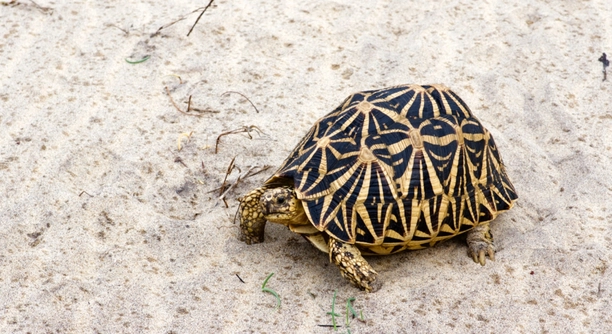
Indian star tortoises are known for their unique patterns and calm demeanor, making them great companions. But when they seek out shade more than the sun, you may wonder why this behavior occurs.
The primary reason your Indian star tortoise may stay in the shade is due to temperature regulation. These tortoises prefer cooler environments and seek shade to avoid overheating, especially during warmer weather. Proper temperature control is essential for their well-being.
Understanding why your tortoise favors the shade can help you create a more comfortable and healthy environment for your pet. By addressing their needs, you can ensure their long-term comfort and happiness.
Temperature Preferences and Their Impact
Indian star tortoises are naturally adapted to hot climates, but they can’t handle extreme temperatures for long. In the wild, they are used to seeking shelter in shaded areas to avoid overheating during the hottest parts of the day. This behavior is instinctive, as it helps them maintain a stable body temperature.
Their preference for cooler, shaded areas is a natural part of their survival mechanism. Overexposure to direct sunlight can lead to stress and health problems such as dehydration or heatstroke. Even though they require sunlight to help their shells grow properly, they also need to have the option to retreat to shaded areas when the sun is too intense.
A balanced environment is essential for their well-being. Providing them with access to shaded spots, like leafy plants or a shelter, will allow them to regulate their body temperature and avoid the risks of overheating. It’s also important to monitor the temperature in their habitat to ensure it stays within their comfort zone.
Setting Up a Comfortable Habitat
In the wild, Indian star tortoises find shaded spots to cool down. A habitat setup that includes both sun and shade can help replicate this. By creating a balanced environment, you can encourage your tortoise to stay healthy.
Make sure the enclosure has areas of both direct sunlight and shaded regions where the tortoise can retreat. The shaded spots can be under plants, rocks, or even a simple structure. Providing these options will give your tortoise the freedom to choose the conditions that feel right for them. This setup ensures they aren’t forced to stay in one environment, allowing them to regulate their body temperature effectively. With both sun and shade available, your tortoise can enjoy their space without the risk of overheating.
Health Issues and Temperature Sensitivity
If your tortoise is constantly in the shade, it could also be a sign that it’s trying to avoid extreme temperatures due to health concerns. If they feel unwell or uncomfortable, they may retreat to a cooler, shaded area to rest.
Tortoises with underlying health issues, like dehydration or respiratory infections, may be more sensitive to temperature changes. These conditions can make it harder for them to regulate their body heat, prompting them to seek cooler spots. Keeping an eye on their behavior can help you detect any signs of illness early. If they continue to avoid heat or seem sluggish, a visit to the vet is advised.
Providing a more stable and controlled temperature in their habitat can prevent these issues. A thermometer to monitor temperature and humidity levels can ensure that your tortoise remains comfortable and healthy. A proper heat gradient will also allow them to regulate their body temperature naturally.
Hydration and Shade-Seeking Behavior
Tortoises, especially in warmer climates, require access to water to stay hydrated. If they are dehydrated, they may spend more time in shaded areas to avoid the heat, which could further dehydrate them.
Inadequate hydration can lead to lethargy and a lack of appetite. It’s important to ensure that your tortoise has a clean, shallow dish of water at all times, placed in a shaded area where they feel safe to drink. Frequent access to water allows them to maintain their fluid balance, especially when they’re exposed to heat.
If you notice your tortoise spending excessive time in the shade and not drinking enough, it could be a sign of dehydration. If they seem unwilling to drink or are sluggish, offer them water more frequently and check their humidity levels. Proper hydration is key to keeping them healthy and active.
Stress and Shade Seeking
Tortoises can become stressed for various reasons, such as changes in their environment or handling. When they feel stressed, they may seek refuge in shaded areas to calm down.
If your tortoise spends more time in the shade than usual, stress might be the cause. Reducing handling and making their space more secure can help them feel more at ease. Keeping their environment stable with minimal disruptions will help your tortoise feel safe and comfortable, encouraging them to explore their habitat more freely.
Temperature Range in the Habitat
Providing the right temperature gradient in the enclosure is crucial for your tortoise’s comfort. Having cooler shaded areas as well as sunlit spots is essential to mimic natural conditions.
Ensure the habitat temperature ranges from 80°F to 90°F in the warm areas and cooler spots at 70°F. This allows your tortoise to regulate its body temperature and stay active. Avoid drastic temperature changes, as this can cause stress and impact their health. By maintaining a consistent range, your tortoise will have the option to choose what’s best for their comfort.
Habitat Setup Tips
The environment should be easy for your tortoise to navigate. Consider adding natural elements like plants, rocks, or hides that provide shade.
To help your tortoise feel more at home, add a few hiding spots in the shade where they can retreat. A simple hideout made from a flat rock or log can offer protection and help with temperature regulation. When designing the enclosure, make sure there’s enough space for them to move around freely between the sun and shaded areas.
FAQ
Why is my Indian Star Tortoise not basking in the sun?
Indian Star Tortoises are naturally shy creatures and may not bask in the sun if they feel unsafe or stressed. If they are in an unfamiliar or uncomfortable environment, they might seek the safety of shaded areas instead. Sometimes, the basking spot might not be warm enough for them, which could discourage them from using it. Check the temperature of the basking area, and ensure it’s between 90°F to 100°F, as this is ideal for them to get the necessary UVB exposure.
Should I force my tortoise to stay in the sun?
Forcing your tortoise into the sun is not recommended. Tortoises are excellent at regulating their body temperature and know when they need the warmth of the sun. If your tortoise is avoiding it, there could be something wrong with the environment or their health. Instead, focus on providing them with a balanced habitat where they can freely choose between shaded and sunny spots. Giving them the space to self-regulate ensures their comfort and well-being.
How often should my Indian Star Tortoise get sunlight?
Indian Star Tortoises need about 10 to 12 hours of light per day, with exposure to UVB light for proper shell and bone health. If you don’t have natural sunlight available, you can provide artificial UVB lighting in their enclosure. Make sure the light is not too close to them, as this could cause overheating. Providing a regular day-night cycle is important for their overall health and natural behavior.
Is it normal for my tortoise to stay in the shade all day?
It’s not unusual for tortoises to spend time in the shade, especially during hot weather. They may feel too warm in the sun and retreat to cooler areas to avoid overheating. However, if your tortoise stays in the shade all the time and avoids sunlight completely, it could be a sign of stress, discomfort, or health issues. Monitor their behavior closely and adjust the environment to ensure there are suitable areas for basking and cooling down.
Can my tortoise get sick from staying in the shade too much?
Staying in the shade alone won’t make your tortoise sick, but prolonged avoidance of sunlight or UVB light can cause health issues, such as shell deformities or metabolic bone disease. UVB light is essential for calcium metabolism and shell growth. Ensure your tortoise has access to natural sunlight or artificial UVB light, while also providing shaded areas for them to escape from the heat. A balanced habitat will keep your tortoise healthy.
How can I tell if my tortoise is overheated?
Signs of overheating in your tortoise can include heavy breathing, lethargy, lack of appetite, and skin discoloration. If you notice these symptoms, it’s important to immediately provide a cooler environment and hydrate your tortoise. Excessive heat can cause dehydration or heatstroke, which can be life-threatening. Always make sure your tortoise has access to shaded spots and fresh water, especially during hot weather.
What temperature should my tortoise’s habitat be?
The habitat for your Indian Star Tortoise should have a temperature gradient. The basking area should be between 90°F to 100°F, while the cooler areas of the enclosure should be around 70°F to 80°F. This allows the tortoise to regulate its body temperature effectively by moving between different zones. At night, temperatures should be kept around 70°F. Keep the humidity levels moderate, too, as excessive dryness can cause dehydration.
How can I encourage my tortoise to bask more?
If your tortoise is avoiding basking, make sure the basking area is the correct temperature, with a proper UVB light source. You might also want to check for other issues, such as overcrowding in their habitat or potential stress from handling. To encourage basking, keep the area calm and quiet, and ensure it’s an inviting spot with plenty of light and heat. Sometimes, providing a larger or more interesting basking platform can help.
Is it necessary to have both sunlight and shade for my tortoise?
Yes, it’s necessary to have both sunlight and shaded areas in your tortoise’s habitat. While they need UVB exposure for vitamin D3 synthesis and calcium absorption, they also require cooler, shaded areas to prevent overheating. This allows them to regulate their body temperature based on their needs. The right balance of heat and cool spots ensures your tortoise remains healthy and comfortable.
What should I do if my tortoise is acting lethargic?
Lethargy in your tortoise could be a sign of illness, dehydration, or inappropriate temperature. First, check the temperature in their enclosure and make sure it’s within the recommended range. Provide clean water and check for any other symptoms, such as swollen eyes or a lack of appetite. If your tortoise continues to act lethargic, a visit to the vet is advised to rule out any underlying health problems.
Can I use a heat lamp for my tortoise instead of natural sunlight?
Yes, a heat lamp can be used to provide heat if natural sunlight is unavailable. Make sure to choose a lamp with the proper wattage and UVB output to meet your tortoise’s needs. Place the lamp at the correct distance to avoid overheating, and ensure the enclosure has cooler shaded areas for the tortoise to retreat to. A balanced temperature is key for their health.
How do I know if my tortoise is dehydrated?
Signs of dehydration in a tortoise can include sunken eyes, dry skin, and a lack of appetite. If your tortoise is dehydrated, it may spend more time in the shade to avoid excessive heat. Make sure they always have access to fresh water, and consider soaking them in warm water for 15 to 20 minutes to help with rehydration. Proper hydration is vital for their overall health.
Final Thoughts
Understanding why your Indian Star Tortoise spends time in the shade is important for ensuring its comfort and well-being. Tortoises are naturally sensitive to temperature, and they often seek shade to avoid overheating, especially during hot weather. While they do need sunlight for essential UVB exposure, they also need shaded areas to cool down and maintain a stable body temperature. It’s important to provide a balanced environment where your tortoise can move freely between sun and shade, allowing it to regulate its temperature according to its needs.
The setup of your tortoise’s habitat plays a key role in its behavior. Ensuring there are both basking areas with adequate heat and shaded spots for cooling down can make a significant difference in how comfortable and healthy your tortoise feels. The use of a proper heat lamp or UVB lighting is necessary if natural sunlight isn’t available, but don’t forget that the shaded spaces are equally important. The right temperature gradient in the habitat helps your tortoise stay active, hydrated, and stress-free. Additionally, monitoring the temperature, humidity, and overall environment is crucial in preventing health issues related to temperature sensitivity or dehydration.
If your tortoise consistently seeks shade or avoids sunlight, it’s also important to consider other factors, such as health or stress. While shade-seeking is often a sign of regulating body temperature, it could also indicate discomfort, dehydration, or illness. If your tortoise shows signs of lethargy, loss of appetite, or unusual behavior, it may be time to check the environment or seek advice from a veterinarian. With the right care, environment, and attention to its needs, your Indian Star Tortoise can live a happy and healthy life.

Hello,
If you enjoy the content that we create, please consider saying a "Thank You!" by leaving a tip.
Every little bit helps us continue crafting quality advice that supports the health, happiness, and well-being of pets around the world, for pets of all shapes, sizes, and species.
We really appreciate the kindness and support that you show us!