
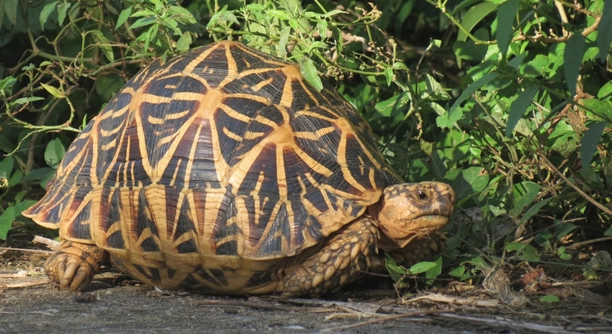
Indian star tortoises are fascinating creatures, often kept as pets due to their unique shell patterns and calm demeanor. If you’re a proud owner, you might be concerned about their safety and well-being in various situations, like falls.
Indian star tortoises can get injured from falls, especially if they fall from a significant height. Their shells and limbs may suffer damage, which could lead to lasting injuries or even infections if not treated promptly.
Understanding how to prevent falls and how to care for your tortoise in case of an injury can make a significant difference. There are a few tips to ensure their safety in your home or outdoor space.
How Do Falls Affect Indian Star Tortoises?
Falls can be risky for Indian star tortoises, particularly when they happen from a height. Their fragile shells and limbs are vulnerable to cracks, fractures, or bruises, leading to pain and potential long-term damage. If they fall onto a hard surface, the impact can cause internal injuries or damage to their spinal cord. Since tortoises cannot communicate their pain, identifying injuries early is crucial. A sudden change in behavior, like lack of movement, or an unwillingness to eat, might signal that something is wrong. It’s important to monitor them closely after a fall, especially if it was from a high or hard place.
For pet owners, taking precautions to prevent falls can be key to keeping these turtles safe. Creating a secure and tortoise-friendly environment helps minimize risk.
Pay attention to the surfaces where your tortoise roams. Smooth, slippery floors or high platforms can increase the likelihood of falls. Soft, cushioned areas or secure enclosures make for safer environments. Keeping their space simple and easy to navigate ensures fewer accidents.
How to Care for an Injured Tortoise
If your tortoise falls and shows signs of injury, it’s essential to act quickly. A vet visit should be your first step, especially if the fall looks severe. Meanwhile, you can assess the situation at home. Keep your tortoise in a quiet, secure area to prevent further harm. Make sure it stays hydrated and try to keep it as comfortable as possible while waiting for professional help.
In some cases, a minor fall might not require a vet visit, but it’s always wise to be cautious. If your tortoise is still eating, drinking, and moving, it may just need time to recover. However, even small cracks on the shell or signs of swelling should not be ignored. These injuries could lead to infections if not treated. Apply a mild antiseptic solution to the affected area if advised by your vet. Keeping the environment clean and dry will also help prevent infection.
How to Prevent Falls for Your Tortoise
Preventing falls starts with creating a safe environment for your Indian star tortoise. Ensure the spaces they roam in are secure, free from obstacles or slippery surfaces. Avoid placing them on high platforms where they could easily tumble. Enclosures with low barriers or soft bedding help prevent falls and provide a comfortable place for them to move around.
A secure setup can significantly reduce risks. Make sure their enclosure is the right size with enough space to move without danger. Keep surfaces that they frequent flat, like mats or non-slip flooring, to reduce the chance of slipping. Placing soft ramps or steps can help them climb if necessary.
It’s also a good idea to keep the area free from sharp objects that could harm them if they fall. Simple changes, like adding soft bedding or rearranging their space, can make all the difference. Always monitor them when they’re outside of their enclosure, just in case.
Should You Use a Tortoise Shell Protector?
While not all tortoises need shell protectors, they can be beneficial in certain situations. If your tortoise is prone to falls or rough handling, a shell protector can offer added protection from injuries. These lightweight, padded covers can reduce the risk of damage to their shell in case of a fall.
However, it’s important to remember that shell protectors should only be used when necessary. If your tortoise seems comfortable without one and has no history of falls, you may not need to invest in one. However, if your tortoise is healing from a previous injury or is in a high-risk area, a shell protector can help. Ensure that the protector fits snugly but doesn’t restrict movement or cause stress.
Make sure the protector is made from breathable materials to avoid overheating. Regularly check for wear and tear to ensure it still provides adequate protection.
Signs of Injury After a Fall
If your tortoise has fallen, look for signs of injury such as limping, swelling, or difficulty moving. They may also seem more withdrawn than usual or refuse to eat. Any visible cracks or dents in their shell should be taken seriously and checked by a vet.
Injuries can sometimes be subtle. Even if no obvious damage is seen, internal injuries may still occur. Watch for changes in behavior such as lethargy, or if they are unable to retract their head or limbs fully. These signs indicate that something could be wrong and needs attention.
How to Handle Your Tortoise After a Fall
After a fall, it’s important to handle your tortoise gently. Support its body carefully while checking for injuries. Keep it in a calm, quiet environment to avoid stress. Avoid forcing it to move or eat if it shows signs of pain or discomfort. Rest is key.
If your tortoise appears to be in pain or isn’t moving, it’s crucial to limit its mobility to prevent worsening the injury. Ensure it’s in a safe area away from any further risks. Consider using a soft, warm bedding to make it comfortable during recovery.
When to Visit the Vet
If your tortoise has fallen from a significant height or shows clear signs of injury, visiting the vet should be your priority. Even minor injuries can lead to complications like infections if not treated promptly. A vet will assess the extent of the damage and guide you on proper care.
FAQ
Can an Indian Star Tortoise break its shell from a fall?
Yes, an Indian Star Tortoise can break its shell if it falls from a height onto a hard surface. The shell is strong, but it’s still vulnerable to cracks or fractures when subjected to significant force. Even minor cracks in their shell can lead to infections if not addressed quickly. It’s essential to inspect the shell carefully after any fall and consult a vet if you notice any damage.
What should I do if my tortoise has a cracked shell?
If your tortoise has a cracked shell, you should take it to a vet immediately for an evaluation. In some cases, the crack might be superficial, and the vet will clean and disinfect the area to prevent infection. If the crack is deep, the vet might need to repair it using specialized materials. Make sure to keep the area clean and avoid handling the tortoise too much to prevent further stress or injury.
How can I tell if my tortoise is injured after a fall?
To check if your tortoise is injured, look for any physical signs of trauma like swelling, redness, or unusual body positioning. If your tortoise is limp or unwilling to move, this could indicate an injury. A lack of appetite, unusual behavior, or difficulties retracting its head or limbs are also signs that something is wrong. A visit to the vet is always recommended if you notice any of these signs.
Are there any long-term effects of a fall for a tortoise?
Long-term effects from a fall depend on the severity of the injury. If a tortoise suffers from fractures or internal injuries, it may face issues like limited movement, problems with feeding, or infection. It’s crucial to monitor your tortoise closely after any fall and follow the vet’s instructions for recovery to minimize any lasting damage.
How can I prevent my tortoise from falling?
To prevent your tortoise from falling, create a safe and secure environment. Keep their enclosure low and avoid placing them on high surfaces. Use soft bedding and non-slip flooring to reduce the risk of slipping. If your tortoise spends time outside the enclosure, make sure the space is secure and free of any potential hazards.
Can a tortoise’s shell heal on its own after a fall?
While minor injuries to a tortoise’s shell may heal on their own, more significant damage such as cracks or fractures will require medical attention. Without proper care, even minor injuries can lead to infections, which could complicate the healing process. It’s always best to consult a vet to ensure proper treatment.
Should I keep my tortoise in a separate area while it recovers?
Yes, it’s a good idea to keep your tortoise in a quiet, separate area while it recovers from a fall. This helps reduce stress and prevents it from moving around too much, which could aggravate the injury. Make sure the recovery area is safe, clean, and comfortable for your tortoise.
How long does it take for a tortoise to recover from a fall?
The recovery time for a tortoise depends on the severity of the fall and the type of injury. Minor injuries may take a few days to a week to heal, while more severe injuries may take several weeks or even months. Following your vet’s instructions and providing a calm, safe environment will speed up the recovery process.
Is there any way to strengthen my tortoise’s shell?
While you can’t directly strengthen your tortoise’s shell, maintaining a healthy diet and ensuring proper calcium intake helps support shell growth. A balanced diet that includes calcium and vitamin D3 can help keep their shells strong and resistant to damage. Regular exposure to sunlight or UVB light is also important for shell health.
Should I be worried about my tortoise falling from a low height?
Falls from low heights generally pose less risk than falls from higher places, but they can still cause injuries. Tortoises are slow-moving creatures and may not be able to brace themselves during a fall. Even low-height falls can lead to minor shell cracks or bruises, so it’s best to prevent them when possible.
Can I use a shell protector for my tortoise?
While shell protectors are not essential for every tortoise, they can be useful if your tortoise is prone to injury or if it’s recovering from a previous fall. Shell protectors can provide added cushioning and help reduce the risk of further injury. Ensure the protector is breathable and doesn’t restrict the tortoise’s movement.
What are some signs that my tortoise is in pain after a fall?
Signs of pain in tortoises can be subtle. Look for behaviors like hiding, not eating, or being unusually lethargic. Tortoises may also become more aggressive or withdrawn when in pain. If your tortoise is not moving as usual, not using one of its limbs, or showing any of these behaviors, it’s important to consult a vet.
Can tortoises survive serious falls?
Tortoises can survive serious falls, but it depends on the height and the surface they fall onto. While their shells are designed to protect them, a fall from a high height onto a hard surface can cause severe injuries. Quick treatment after a fall can make the difference between a full recovery or lasting damage. Always monitor your tortoise closely and take precautions to prevent falls.
Final Thoughts
Taking care of an Indian Star Tortoise requires more than just providing food and water. It’s essential to consider their environment and the risks they face, including falls. Tortoises are not as agile as other animals, and their shells, while strong, are not invincible. Falls, especially from a height or onto a hard surface, can cause serious injuries, including fractures to their shells or internal harm. As pet owners, it’s our responsibility to make their surroundings as safe as possible and to watch for signs of injury.
Preventing falls is simple but crucial. Creating a safe, secure environment where your tortoise can move around freely without the risk of slipping or falling can make a significant difference. Low platforms, soft bedding, and non-slip flooring are all great ways to reduce the chance of accidents. While it’s not always possible to prevent every fall, being proactive and aware of potential hazards can help keep your tortoise safe. Taking a few extra steps in your tortoise’s living space can prevent a lot of stress down the line.
If your tortoise does happen to fall, staying calm and addressing the situation quickly is important. Check for injuries immediately and keep an eye on your tortoise for any changes in behavior, such as limping or not eating. If you notice any signs of injury, take your tortoise to the vet. Early intervention can prevent serious issues later on. With the right care, your tortoise can recover from minor injuries and continue to live a healthy life. Keeping their environment safe and providing proper care will go a long way in ensuring their well-being.

Hello,
If you enjoy the content that we create, please consider saying a "Thank You!" by leaving a tip.
Every little bit helps us continue crafting quality advice that supports the health, happiness, and well-being of pets around the world, for pets of all shapes, sizes, and species.
We really appreciate the kindness and support that you show us!