
Do you ever find yourself fascinated by how long certain animals can live, thriving across decades or even centuries? Among turtles, the diamondback terrapin holds a special place for its longevity and resilience.
The oldest diamondback terrapin ever recorded lived to be 40 years old in the wild, verified through reliable documentation and research. This remarkable age highlights the species’ capacity for endurance under suitable environmental conditions.
This record-breaking terrapin’s story sheds light on the fascinating lives of these turtles, their survival strategies, and what helps them thrive for so long. Let’s explore the details behind this incredible lifespan.
Understanding the Longevity of Diamondback Terrapins
Diamondback terrapins are fascinating turtles known for their ability to adapt to coastal habitats. These turtles can live several decades, with the oldest recorded reaching 40 years in the wild. Their longevity is influenced by factors like diet, habitat quality, and the lack of natural predators. In protected environments, they can thrive even longer due to fewer threats. Understanding their biology reveals how they endure for so long, despite challenges like habitat loss. These turtles play a vital role in their ecosystems, making their longevity a testament to their resilience and adaptability.
Preserving the diamondback terrapin’s habitat is crucial to ensuring their survival. Conservation efforts focus on reducing threats, such as bycatch in fishing nets and habitat destruction.
By taking measures to protect these turtles, we not only help them live longer but also contribute to maintaining the balance of their ecosystems.
Key Factors That Influence Longevity
The primary influences on diamondback terrapin longevity include their diet, environmental conditions, and reduced exposure to human-related dangers. Proper nutrition helps support their health, while safe habitats allow them to avoid threats.
A healthy coastal habitat provides essential resources like food and nesting grounds. With cleaner waters and protected shorelines, diamondback terrapins are more likely to thrive. However, pollution and human activities can disrupt their environment, posing risks to their long-term survival. Fishing nets often entangle these turtles, causing unnecessary deaths. Conservation measures, such as protected areas and public awareness campaigns, help mitigate these threats.
By focusing on preserving their natural habitats and addressing dangers like pollution and bycatch, we can help these turtles reach their full lifespan potential.
Factors That Threaten Diamondback Terrapins
Habitat destruction is one of the biggest threats to diamondback terrapins. Coastal development, pollution, and rising sea levels significantly reduce their nesting areas, leaving them vulnerable. Protecting these spaces is essential for their survival and longevity.
Another major concern is bycatch in fishing gear. Diamondback terrapins often get caught in crab pots and drown before they can be rescued. Simple solutions, like using bycatch reduction devices, can prevent this. Public awareness campaigns also help reduce accidental harm by encouraging responsible fishing practices.
Predation of eggs and hatchlings by invasive species further threatens their population. Raccoons, foxes, and feral cats often target nests, decimating the next generation of terrapins. Conservation programs focus on protecting nesting sites and safely relocating eggs to reduce these risks, ensuring more young turtles reach adulthood.
Conservation Efforts and Success Stories
Conservation programs for diamondback terrapins often involve habitat restoration. Cleaning polluted areas, protecting marshlands, and creating nesting sanctuaries have shown promising results. Such measures ensure these turtles have safe spaces to thrive.
Legislation plays a significant role in their protection. Many states have banned the commercial harvesting of diamondback terrapins and introduced stricter fishing regulations. These laws reduce accidental harm and promote sustainable practices. Conservation groups also work with local communities, encouraging participation in programs like nest monitoring and turtle rescues. These collective efforts highlight the impact of teamwork in preserving this species.
The Importance of Protecting Terrapin Habitats
Protecting coastal habitats is essential for diamondback terrapins to thrive. Wetlands provide food, shelter, and nesting areas. Preserving these spaces ensures the species has the resources needed to sustain healthy populations.
Human activity often disrupts these habitats. Pollution, development, and climate change pose ongoing threats. Restoration efforts are crucial for their survival.
Community Involvement in Conservation
Local communities play a significant role in protecting diamondback terrapins. Programs like nest monitoring and beach cleanups allow people to directly contribute to conservation. Education campaigns further encourage responsible practices, such as minimizing light pollution during nesting season. With increased awareness, communities can help reduce risks to terrapin populations and promote coexistence.
Small Steps That Make a Big Difference
Simple actions, like installing bycatch reduction devices on crab traps, can save countless turtles. Supporting conservation programs and advocating for stricter environmental laws also contribute to their long-term survival.
FAQ
How long do diamondback terrapins live in the wild?
Diamondback terrapins can live up to 40 years in the wild, though many do not reach this age due to predation, disease, and human-related threats. Their lifespan depends largely on environmental conditions, including the availability of food, the quality of their habitat, and how well they can avoid dangers like predators and fishing gear.
What do diamondback terrapins eat?
Diamondback terrapins are omnivores, feeding on a variety of foods such as crabs, mollusks, and aquatic plants. Their diet helps them stay healthy and grow. They are known for eating small fish, worms, and other invertebrates found in coastal waters. The wide range of food they consume helps support their energy needs and contributes to their longevity.
How can I protect diamondback terrapins?
To help protect diamondback terrapins, it’s important to reduce habitat destruction. This includes protecting wetlands from pollution and coastal development. Supporting conservation organizations and participating in local efforts like nest monitoring or clean-up programs also helps. Avoiding leaving trash or debris on beaches can prevent accidental harm to turtles.
Are diamondback terrapins endangered?
Diamondback terrapins are not classified as endangered, but their populations are under threat. They are considered vulnerable in certain areas due to habitat loss, pollution, and bycatch. Some regions have implemented protective laws to help conserve their numbers. Protecting their natural habitats is key to maintaining their populations.
What are the biggest threats to diamondback terrapins?
The main threats to diamondback terrapins include habitat destruction, pollution, and bycatch in fishing nets. Coastal development and human activity continue to erode critical nesting and feeding areas. Additionally, the increase in invasive species, such as raccoons, can disrupt their nesting sites, further reducing their numbers.
Can diamondback terrapins live in captivity?
Yes, diamondback terrapins can live in captivity, but they require specialized care. A suitable aquarium that mimics their natural habitat, with a clean water system and appropriate basking areas, is necessary. They also need a proper diet to stay healthy. However, keeping them as pets requires a lot of attention to their specific needs, and it’s important to research the responsibilities involved before adopting one.
How do you identify a diamondback terrapin?
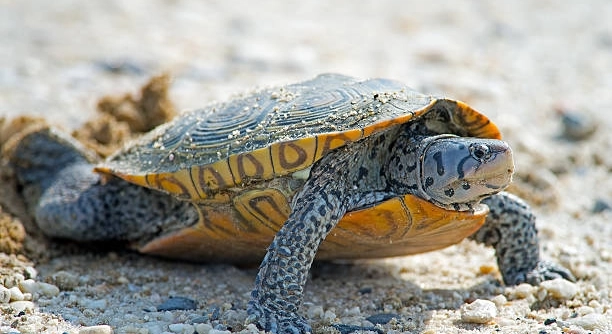
Diamondback terrapins can be identified by their distinct, patterned shells. The shell is typically gray or olive with a pattern that looks like the scales on a diamond, which is where they get their name. They have a relatively flat shell and long, webbed feet that help them swim in coastal waters. Their heads are usually marked with dark stripes or spots.
Where do diamondback terrapins live?
Diamondback terrapins are typically found in the coastal marshes, tidal flats, and estuaries of the eastern and southern United States. They thrive in brackish waters, where fresh and saltwater mix. These areas provide the necessary food sources and the shelter they need to survive.
What should I do if I find a diamondback terrapin in the wild?
If you encounter a diamondback terrapin in the wild, it’s important to avoid disturbing it. If the terrapin is near a busy road, you can gently help it cross to the other side. Never pick them up by their tails, as this can cause injury. If you see one in a dangerous area, contact local wildlife authorities for assistance.
Do diamondback terrapins migrate?
While diamondback terrapins do not migrate long distances like some species, they may move between different parts of their habitat in response to changes in water temperature or food availability. During nesting season, females will travel to land to lay eggs, and young turtles will stay in coastal areas until they mature.
How do diamondback terrapins reproduce?
Female diamondback terrapins typically lay eggs in sandy or muddy areas near their aquatic habitats. They dig a nest, lay their eggs, and cover them with sand before leaving. The eggs incubate for several months, and once hatched, the young turtles make their way to the water. They often rely on a high hatchling survival rate to maintain healthy populations.
Are diamondback terrapins social animals?
Diamondback terrapins are not particularly social animals. They spend most of their time alone, especially when feeding or basking. However, they can sometimes be found in small groups in areas with abundant food or basking spots. During mating season, they may interact more frequently.
Can diamondback terrapins breathe underwater?
Diamondback terrapins cannot breathe underwater for extended periods. They need to come up for air regularly, though they can hold their breath for several minutes. While they are excellent swimmers, they still rely on surface breathing and must return to the surface for oxygen.
How do I know if a terrapin is sick?
A sick diamondback terrapin may show signs like lethargy, difficulty swimming, or changes in eating habits. If the turtle has a swollen or discolored shell, it could indicate a health issue. Any visible wounds or parasites should also be addressed. If you suspect illness, it’s best to contact a wildlife rehabilitator.
Diamondback terrapins are a unique species that play an important role in coastal ecosystems. Their ability to adapt to brackish waters and survive for several decades is a testament to their resilience. However, their long lifespan is at risk due to a variety of threats. Habitat destruction, pollution, and bycatch are just some of the challenges these turtles face. Despite these difficulties, efforts to protect their habitats and reduce human-related risks have shown positive results. By focusing on conservation and supporting local programs, we can help ensure the survival of these fascinating creatures.
Preserving the natural environment of diamondback terrapins is essential for their continued existence. Wetlands and coastal habitats are vital for their survival, offering food, shelter, and nesting areas. As human activity continues to impact these spaces, it becomes increasingly important to implement measures that reduce harm. Protecting these habitats involves not just legal regulations, but also community involvement. Public awareness, through educational programs and local initiatives, plays a crucial role in making sure that people understand the importance of conservation. Without these collective efforts, diamondback terrapins could face even greater threats to their population.
In conclusion, while diamondback terrapins may not be classified as endangered, they are still vulnerable to a variety of threats. By addressing issues like habitat loss, pollution, and bycatch, we can help protect these turtles and their habitats. The continued support of conservation programs and responsible human practices is key to ensuring their future. Everyone has a part to play in protecting this unique species, whether by supporting local conservation efforts, reducing environmental impact, or educating others. With these actions, diamondback terrapins can continue to thrive in the wild for many years to come.

Hello,
If you enjoy the content that we create, please consider saying a "Thank You!" by leaving a tip.
Every little bit helps us continue crafting quality advice that supports the health, happiness, and well-being of pets around the world, for pets of all shapes, sizes, and species.
We really appreciate the kindness and support that you show us!