
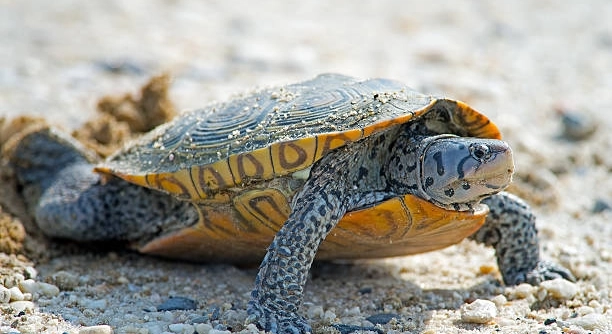
Caring for baby diamondback terrapins can be both rewarding and challenging, especially if you’re new to raising these adorable reptiles. Providing the right environment and care is essential for their health and well-being.
The key to raising healthy baby diamondback terrapins lies in understanding their specific needs, including habitat, diet, and regular maintenance. By ensuring these factors are addressed, you can help your terrapins thrive and grow.
Proper guidance can make a significant difference in their development, ensuring they lead happy and healthy lives. Let’s explore the steps to creating an ideal environment for your baby terrapins.
Setting Up the Perfect Habitat
Creating the right environment is crucial for your baby diamondback terrapins to thrive. Their tank should replicate a natural habitat with clean water, a basking area, and proper temperature control. Use a water heater to maintain temperatures between 75–80°F and a basking lamp to ensure the basking spot reaches 90–95°F.
A tank with at least 20 gallons of capacity gives them ample space to swim and explore. Adding a UVB light is essential for proper calcium absorption and shell growth. Include non-toxic plants, smooth rocks, or logs to make the setup feel natural and stimulating.
Keeping the water clean is vital. Use a high-quality filtration system to remove waste and bacteria. Regularly test the water’s pH levels and replace a portion weekly to maintain optimal conditions. This effort ensures your terrapins stay healthy and comfortable.
Feeding Baby Diamondback Terrapins
A balanced diet is critical for their growth. Offer a variety of foods, including commercial pellets, live or frozen insects, and leafy greens.
Baby terrapins should be fed daily, but monitor portions to avoid overfeeding. Incorporating calcium supplements helps support their shell development. Proper nutrition plays a significant role in their overall health and longevity.
Maintaining Clean Water
Clean water is essential for preventing illnesses in baby diamondback terrapins. Use a strong filter designed for aquatic turtles to keep the tank free of debris. Perform partial water changes weekly to maintain quality and reduce harmful bacteria.
To keep the water at optimal conditions, test it regularly for pH, ammonia, and nitrate levels. Adjust these levels if needed to ensure a safe environment. Avoid overcrowding the tank, as more waste can make maintaining water quality difficult. Proper water care will significantly impact your terrapin’s health.
Consider using a dechlorinator to treat tap water before adding it to the tank. Chlorine and chloramines in untreated water can harm your terrapins. Additionally, scrub and disinfect decorations and basking areas monthly to prevent algae buildup. These steps will ensure a safe and hygienic home for your pets.
Monitoring Health and Behavior
Observe your baby terrapins daily for changes in activity or eating habits. Lethargy, loss of appetite, or unusual swimming patterns can indicate health issues. Early detection is crucial for effective treatment.
Check their shells regularly for signs of discoloration, softness, or damage, as these could point to nutritional deficiencies or infections. Consult a veterinarian experienced with reptiles if you notice any concerns.
Providing Proper Lighting
A UVB light is essential for baby terrapins to synthesize vitamin D3, which aids calcium absorption and shell development. Position the UVB light about 12 inches from their basking area, replacing it every six months.
Ensure their basking area combines UVB and heat for optimal comfort. Use a thermometer to monitor temperatures regularly, as consistent warmth is vital for their health.
Handling Your Terrapins
Limit handling to avoid unnecessary stress on your baby terrapins. When necessary, support their body gently with clean hands, ensuring their safety and comfort. Always wash your hands before and after handling to prevent transferring bacteria or chemicals.
Creating a Stress-Free Environment
Minimize loud noises and sudden movements near their tank to keep your terrapins calm. A stress-free environment helps them stay active and healthy.
FAQ
How big do baby diamondback terrapins grow?
Baby diamondback terrapins start small, typically measuring around one inch in shell length at birth. As they grow, their size will gradually increase to approximately 4–6 inches during their first few years, depending on proper care and nutrition.
What should I feed my baby terrapins?
Baby terrapins need a varied diet, including high-quality commercial turtle pellets, live or frozen insects like bloodworms, and leafy greens such as romaine lettuce or collard greens. Providing calcium supplements ensures proper shell growth and development. Feed them daily in appropriate portions to avoid overfeeding.
How often should I clean the tank?
Perform partial water changes weekly, replacing about 25–30% of the water to maintain cleanliness. Clean the tank thoroughly, including decorations, every month to prevent algae buildup and harmful bacteria. A strong filter reduces the need for frequent full-tank cleanings.
Do baby terrapins need a heat lamp?
Yes, baby terrapins require a heat lamp to create a basking area with temperatures between 90–95°F. This allows them to regulate their body temperature, aiding digestion and preventing illnesses. Combine the heat lamp with a UVB light for optimal health benefits.
Can I keep multiple baby terrapins in the same tank?
Yes, but the tank must be large enough to accommodate them, with at least 20 gallons per terrapin. Overcrowding can lead to stress, aggressive behavior, and difficulty maintaining water quality. Monitor their interactions to ensure they coexist peacefully.
Why is my terrapin not eating?
Loss of appetite can result from stress, illness, or incorrect water temperatures. Ensure the water temperature is between 75–80°F and the basking area is warm enough. If the issue persists, consult a reptile veterinarian for further evaluation.
How long do baby terrapins need UVB light each day?
Provide UVB light for 10–12 hours daily to mimic natural sunlight. This exposure helps them produce vitamin D3, crucial for calcium absorption and healthy shell growth. Use a timer to ensure consistent lighting schedules.
What kind of substrate should I use in the tank?
Avoid small gravel or sand, as baby terrapins may accidentally ingest it, leading to health issues. Instead, use large river rocks or keep the tank bare-bottomed for easier cleaning and safer conditions.
How can I tell if my terrapin is male or female?
It’s challenging to determine the gender of baby terrapins. As they mature, males typically develop longer tails and claws, while females grow larger overall. A veterinarian or experienced breeder can assist in identifying their sex as they grow.
What signs indicate my terrapin is sick?
Watch for symptoms like lethargy, loss of appetite, abnormal swimming patterns, shell discoloration, or swollen eyes. These signs may indicate illness or poor water quality. Seek veterinary care promptly if you notice any concerning behaviors or physical changes.
Can I handle my terrapin often?
Limit handling to reduce stress. If you need to pick them up, support their body gently and avoid holding them for extended periods. Always wash your hands before and after handling to maintain hygiene.
How can I make the tank more engaging for my terrapin?
Include non-toxic plants, smooth rocks, and logs for climbing and hiding. Adding varying water depths and basking platforms encourages natural behaviors, keeping your baby terrapin mentally stimulated and active.
Final Thoughts
Raising healthy baby diamondback terrapins requires attention to their unique needs and a commitment to providing proper care. From maintaining a clean habitat to offering a balanced diet and ensuring adequate lighting, every aspect of their environment plays a role in their growth and well-being. These small details may seem overwhelming at first, but they become second nature with time. Providing consistent care ensures your terrapins thrive in a safe and nurturing environment.
As your terrapins grow, their needs may change slightly, but the foundation remains the same. Regular observation and adjustments to their diet, habitat, and overall care are important for keeping them happy and healthy. Paying attention to their behavior and addressing potential issues early can prevent health problems and create a long-lasting bond. Remember, every effort you make contributes to their development and quality of life.
Caring for baby terrapins can be a rewarding experience when approached with patience and understanding. They rely on you to create the best possible conditions for their growth, and your dedication makes all the difference. By following proper guidelines and staying informed, you can enjoy watching them grow into strong and healthy turtles. The journey is worth it, both for you and your terrapins.

Hello,
If you enjoy the content that we create, please consider saying a "Thank You!" by leaving a tip.
Every little bit helps us continue crafting quality advice that supports the health, happiness, and well-being of pets around the world, for pets of all shapes, sizes, and species.
We really appreciate the kindness and support that you show us!