
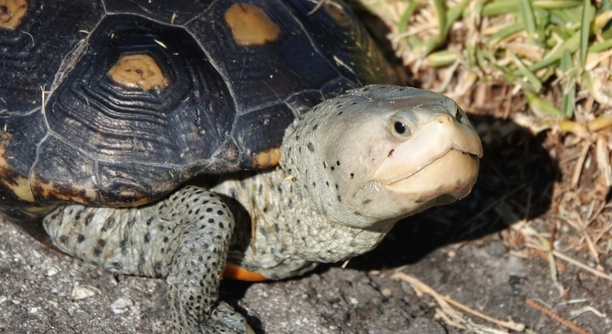
If your Diamondback Terrapin is constantly scratching the glass, it might be more than just a quirky behavior. There are several factors that could be causing this, ranging from environmental to physical needs. Understanding the root cause can help you address it.
Terrapins often scratch the glass as a result of stress, boredom, or a desire for more space. This behavior is common if their habitat feels cramped, lacks proper stimulation, or they are not receiving enough enrichment in their environment.
By identifying the reasons behind your terrapin’s actions, you can adjust its habitat accordingly. Addressing these factors will help improve your pet’s well-being and prevent repetitive behaviors that could cause harm or discomfort.
Stress or Boredom Can Trigger Scratching
Terrapins can get easily stressed, and one way they show this is by scratching the glass of their tank. Stress might come from a number of things, such as noise, temperature fluctuations, or too much handling. If your terrapin’s environment feels unsafe or unsettling, it will react by trying to escape. Another reason could be boredom. These creatures need mental stimulation, and without it, they may resort to repetitive actions, like scratching. In the wild, they are constantly foraging and moving around. If their habitat is too simple or lacks variety, they will likely scratch the glass to express frustration or an unmet need.
If your Diamondback Terrapin is showing these signs, it’s a good idea to check its living conditions. Make sure the tank has enough space for it to move around. Provide objects like rocks or plants to keep it engaged and reduce stress.
Small adjustments, such as changing the setup or providing more enrichment, can help. Adding more hiding places or changing the decor can also make your terrapin feel safer. Some toys, like floating platforms, can provide a challenge and keep them busy, reducing the chance of glass-scratching behavior. Another option is to vary its diet and feeding schedule to simulate the experience of hunting and foraging, which will keep it mentally sharp. Ultimately, this kind of behavior tends to subside when the terrapin feels more comfortable and stimulated.
Too Little Space for Comfort
Lack of space can also make your terrapin scratch the glass. Diamondback Terrapins require both land and water areas, but if the space isn’t large enough, they might feel trapped. A small tank forces them into a tight area, which causes frustration.
Having the right tank size is crucial for their well-being. If your terrapin’s tank is too small, they might start showing signs of anxiety, such as scratching the glass. A larger tank, with enough room for them to explore, swim, and bask, can alleviate these feelings. Ideally, your tank should be at least 40 gallons for a single terrapin, with more space for each additional one. Make sure to create a balance between water and land areas, allowing your terrapin to move freely.
Water Quality and Its Impact
Poor water quality can cause your Diamondback Terrapin to scratch the glass. When the water becomes dirty, it can irritate their skin and eyes. This discomfort may lead them to scratch or rub against the tank to relieve the irritation.
Regularly cleaning the tank and changing the water is essential. Make sure the filtration system is working properly to maintain clear and clean water. You should also monitor the water temperature and pH levels. Terrapins thrive in water that is between 75-80°F with a pH range of 6.5-7.5. If these levels aren’t right, it could cause stress or discomfort. Use a water test kit to keep things in check. Keeping the water clean will help your terrapin stay healthy and reduce unnecessary scratching behaviors.
Another tip is to provide fresh water sources in addition to the main tank. Offering a shallow water area or a small water feature can give your terrapin extra space to move around and a new area to explore. This variety can help minimize the repetitive scratching behavior associated with poor water conditions. Maintaining water quality is one of the most important aspects of terrapin care, as it directly affects their overall well-being.
Diet and Nutrition Deficiencies
An inadequate diet can sometimes cause your terrapin to scratch at the glass. Terrapins need a well-balanced diet, and a lack of proper nutrition might lead to restless or odd behaviors, such as scratching. If they’re not getting the right nutrients, it could trigger stress or discomfort.
Diamondback Terrapins require a varied diet consisting of aquatic plants, fish, and occasional protein like worms or insects. If they are only fed one type of food, they might feel unsatisfied or stressed. Make sure to incorporate a variety of foods that mimic their natural diet. Calcium and vitamin supplements are also crucial, especially for shell health. A deficiency in these nutrients can cause irritation, making your terrapin scratch or rub against the glass in frustration.
Monitor their feeding habits to make sure they’re getting all the vitamins and minerals they need. Overfeeding is also something to watch out for, as it can lead to health issues like obesity or improper digestion. The right balance of food and nutrients is vital in keeping your terrapin comfortable and active, reducing the chances of excessive scratching.
Temperature Fluctuations
Temperature changes in the tank can cause your Diamondback Terrapin to act out. If the water is too cold or too warm, it can make them uncomfortable, leading to behaviors like scratching the glass.
Maintaining a consistent water temperature between 75-80°F is essential. Use a reliable aquarium heater and thermometer to prevent drastic temperature changes. Terrapins are sensitive to extreme conditions, and too much fluctuation can stress them out.
Tank Lighting
Improper lighting can also affect your terrapin’s behavior. If the lighting is too bright or doesn’t mimic natural light cycles, it could cause confusion or restlessness, which may lead to glass scratching.
Terrapins need both UVB lighting and a heat lamp to regulate their basking needs. Without proper lighting, they may feel disoriented and stressed, possibly causing excessive scratching as they try to escape or find a more comfortable environment. Make sure the lighting is adjusted to the proper levels, and provide a day-night cycle that simulates natural conditions.
FAQ
Why does my Diamondback Terrapin scratch the glass all the time?
Terrapins usually scratch the glass because of stress, boredom, or discomfort in their environment. It may be an indication that they are not happy with their tank setup. Lack of space, poor water quality, or improper temperature can contribute to this behavior. Try to ensure their habitat has enough space for swimming and basking, the water is clean, and the temperature is stable. Additionally, providing enrichment such as plants, rocks, or hiding spots can help reduce this repetitive behavior.
Can stress be a reason for my terrapin to scratch the tank?
Yes, stress is a common reason why terrapins scratch the glass. Terrapins are sensitive to their environment, and factors like loud noises, changes in lighting, or overcrowding can make them feel unsafe. If you notice this behavior, try to eliminate any potential stressors. Give your terrapin a peaceful environment with plenty of space and appropriate lighting.
How can I reduce my terrapin’s glass-scratching behavior?
To reduce glass-scratching, you should focus on creating a comfortable, enriched environment for your terrapin. Make sure the tank is large enough, the water quality is good, and the temperature is appropriate. Adding hiding spots, live plants, or toys can also help. By addressing these factors, you can keep your terrapin engaged and less likely to scratch the glass.
Is it possible my terrapin is bored?
Yes, boredom is another possible reason for glass scratching. Terrapins need mental and physical stimulation to stay happy and healthy. If they have nothing to do in their tank, they may resort to repetitive actions like scratching the glass. Providing variety, such as changing the tank setup or adding more enrichment, can keep your terrapin occupied and less likely to display this behavior.
What size tank should I have for my Diamondback Terrapin?
A single Diamondback Terrapin requires a tank of at least 40 gallons. For each additional terrapin, the tank size should increase by about 10 gallons. The tank should have both water and land areas for basking. The more space your terrapin has, the less likely it will feel stressed or cramped, reducing glass-scratching behavior.
How often should I clean my terrapin’s tank?
You should clean your terrapin’s tank at least once a week. This includes changing the water, cleaning the filter, and scrubbing any debris or algae from the walls. A dirty tank can irritate your terrapin and lead to skin problems or stress, which could cause glass-scratching behavior. Regular maintenance ensures the water stays clean, and your terrapin stays healthy.
How can I tell if my terrapin’s scratching is due to poor water quality?
If your terrapin is scratching the glass frequently and the water looks cloudy or has an unpleasant odor, it could be a sign that the water quality is poor. If you notice skin irritation, such as redness or peeling, it might be a result of bad water conditions. Regularly test the water’s pH and temperature to ensure they’re within the ideal range, and replace the water when necessary to keep your terrapin comfortable.
Do Diamondback Terrapins need UVB light?
Yes, UVB lighting is crucial for your terrapin’s health. Diamondback Terrapins rely on UVB light to help them produce vitamin D3, which is essential for absorbing calcium. Without UVB lighting, they can develop serious health issues, including soft shells and bone deformities. Make sure to provide a UVB light source for 10-12 hours a day to mimic natural sunlight.
Can I use a regular aquarium light for my terrapin?
No, a regular aquarium light does not provide the necessary UVB rays. You will need a specialized UVB light that is designed for reptiles. These lights should be placed over the basking area to allow your terrapin to absorb the benefits of UVB light. Make sure to replace the bulb every 6-12 months, as the UVB output decreases over time.
What temperature should my terrapin’s tank be?
The water temperature should be kept between 75-80°F (24-27°C). This range is ideal for Diamondback Terrapins, as it supports their digestion and overall health. The basking area should be slightly warmer, around 85-90°F (29-32°C), to help them regulate their body temperature. Using a thermometer to monitor these temperatures will help prevent any temperature-related stress or discomfort.
What should I feed my Diamondback Terrapin?
A balanced diet for a Diamondback Terrapin includes aquatic plants, small fish, worms, and insects. You can also offer them pellet food specifically designed for aquatic turtles. Make sure to provide variety in their diet to keep them healthy and satisfied. Adding calcium supplements is important for shell health, and avoid overfeeding, as it can lead to obesity or digestive issues.
Final Thoughts
Understanding why your Diamondback Terrapin is scratching the glass is the first step toward resolving the issue. This behavior is usually a sign that something in their environment is causing stress, boredom, or discomfort. It’s important to assess the conditions of their tank, including the space, water quality, and temperature. A small, poorly maintained tank can make your terrapin feel trapped, leading to constant scratching. By providing a larger, cleaner, and more comfortable environment, you can address the root cause and improve your pet’s behavior.
Regularly cleaning your terrapin’s tank, ensuring the water is clean, and keeping the temperature stable can go a long way in reducing stress. If the water is dirty or the temperature fluctuates too much, your terrapin may scratch the glass to express their discomfort. Maintaining good water quality and a proper basking area is essential for their overall well-being. Investing in proper lighting, including UVB lamps, will help your terrapin stay healthy, and ensuring a proper diet with enough calcium and nutrients will reduce any potential health problems. These changes might not only stop the scratching but also improve your terrapin’s long-term health.
Lastly, boredom is another significant factor contributing to glass-scratching. Terrapins are naturally curious animals, and if their tank lacks enrichment, they may engage in repetitive behaviors like scratching. Adding plants, rocks, or toys to the tank can help keep them entertained and mentally stimulated. It’s also important to remember that a proper-sized tank with enough space is key. A cramped living space can cause frustration, leading to behaviors like glass scratching. With a few simple adjustments, you can create a happier, healthier environment for your terrapin.

Hello,
If you enjoy the content that we create, please consider saying a "Thank You!" by leaving a tip.
Every little bit helps us continue crafting quality advice that supports the health, happiness, and well-being of pets around the world, for pets of all shapes, sizes, and species.
We really appreciate the kindness and support that you show us!