
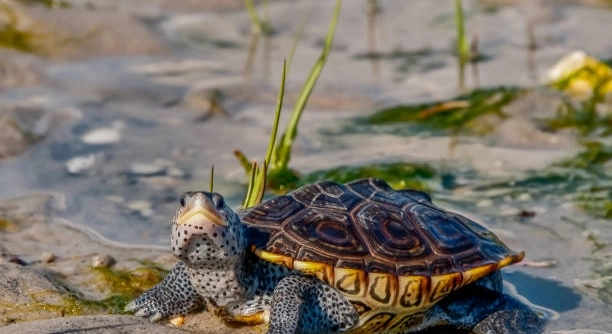
Is your diamondback terrapin tank constantly cloudy, making it difficult to maintain a clean environment for your pet? Maintaining clear water requires proper filtration, regular cleaning, and careful monitoring of feeding habits to prevent excess waste buildup.
The key to keeping the water in a diamondback terrapin tank clear is a combination of efficient filtration, routine water changes, and managing food waste. A high-quality filter, minimal leftover food, and regular maintenance help prevent murkiness and ensure a healthy aquatic habitat.
By following these essential tips, you can create a cleaner and healthier environment for your terrapin. Proper care and maintenance will make tank upkeep easier while promoting your pet’s overall well-being.
Use a High-Quality Filter
A strong filtration system is essential for maintaining clear water in a diamondback terrapin tank. A canister or sump filter with mechanical, biological, and chemical filtration helps remove debris, break down waste, and eliminate toxins. Mechanical filtration traps particles, biological filtration supports beneficial bacteria, and chemical filtration removes harmful substances. Regularly cleaning and replacing filter media ensures the system functions efficiently. A clogged filter can cause murky water and odor buildup, making it harder to maintain a healthy environment. Choosing a filter rated for at least twice the tank’s volume helps keep the water clean and clear.
A filter alone cannot maintain pristine water without proper maintenance. Rinse mechanical filter media in tank water to prevent beneficial bacteria loss. Replace carbon and other chemical media as recommended to keep filtration effective.
A well-maintained filtration system reduces water changes and keeps your terrapin’s habitat cleaner. Combining a strong filter with other care strategies ensures better water quality.
Perform Regular Water Changes
Partial water changes help control waste accumulation and keep the tank environment stable. Replacing 20-30% of the water weekly removes toxins, reduces cloudiness, and replenishes essential minerals that benefit your terrapin. Clean, dechlorinated water prevents imbalances that could affect water clarity and your pet’s health.
Regular water changes prevent excessive waste buildup that can overwhelm the filter. Leftover food, feces, and organic debris break down over time, leading to ammonia spikes and poor water conditions. Consistent water changes help maintain proper pH levels and prevent harmful bacteria growth. Using a siphon to remove waste from the substrate during water changes improves overall cleanliness.
When performing a water change, match the temperature of the new water to the tank’s current conditions. Sudden shifts in temperature or water chemistry can stress your terrapin. Establishing a routine makes maintenance easier and keeps the tank looking its best.
Avoid Overfeeding
Excess food quickly degrades water quality. Terrapins often leave uneaten food behind, which breaks down and releases ammonia. Feeding in moderation prevents waste buildup and reduces strain on the filtration system. Offer appropriately sized portions and remove leftovers within a few minutes to maintain clear water.
Using a separate feeding container can help minimize food waste in the main tank. This method keeps uneaten food from settling into the substrate and prevents water cloudiness. If feeding in the main tank, use a net to remove any remaining food after mealtime. Adjust portion sizes based on your terrapin’s appetite to avoid overfeeding. A well-balanced diet with fresh, high-quality food supports their health while keeping the water cleaner.
Consistency in feeding schedules also plays a role in water clarity. Feeding at the same times each day helps regulate digestion and prevents unnecessary waste. Observing how much your terrapin eats allows you to fine-tune portion sizes and reduce excess food accumulation. A cleaner tank leads to a healthier environment and less maintenance.
Maintain a Clean Substrate
Uneaten food, feces, and debris settle in the substrate, affecting water clarity. Regularly vacuuming the bottom of the tank helps prevent waste buildup. Using sand or large river rocks instead of gravel reduces trapped debris and makes cleaning easier. A clean substrate supports better water conditions.
A siphon or gravel vacuum removes settled debris effectively. Aim to clean the substrate at least once a week, especially in areas where waste tends to accumulate. If using sand, stir it gently to prevent anaerobic pockets from forming. Large river rocks are easier to clean and reduce the risk of trapped waste compared to small gravel. Selecting an appropriate substrate minimizes maintenance while improving water quality.
Live plants can also help maintain a clean substrate by absorbing excess nutrients and preventing algae growth. Adding snails or other tank-safe cleaners may assist in breaking down organic material. A combination of regular cleaning and strategic substrate choices ensures a healthier environment for your terrapin.
Control Algae Growth
Algae can quickly make the water appear cloudy and unclean. Limiting direct sunlight exposure and maintaining proper lighting duration helps prevent excessive algae growth. Using a timer for tank lights ensures a consistent schedule, reducing the risk of overexposure that encourages algae buildup.
Adding algae-eating tank mates, such as certain snail species, can help manage algae naturally. Regularly scrubbing the tank walls and decorations removes buildup before it becomes a problem. Maintaining proper water parameters, including nitrate levels, further reduces algae growth and keeps the tank looking cleaner.
Use a UV Sterilizer
A UV sterilizer helps eliminate harmful bacteria, algae, and floating debris that can cause cloudy water. It works by exposing water to ultraviolet light, killing microscopic particles before they accumulate. Installing a UV sterilizer in the filtration system enhances water clarity and reduces the need for frequent deep cleaning.
Monitor Water Parameters
Testing the water regularly ensures stable conditions and prevents sudden issues. Ammonia, nitrite, and nitrate levels should be checked frequently to maintain a balanced environment. Keeping water parameters within safe ranges reduces cloudiness and promotes better overall health for your terrapin.
FAQ
How often should I clean my diamondback terrapin tank?
You should clean your diamondback terrapin tank at least once a week. Regular tank maintenance, including changing the water and vacuuming the substrate, helps remove waste that could cloud the water. Cleaning the filter media and scrubbing the tank walls once a month further ensures a clear, healthy environment.
What type of filter is best for a diamondback terrapin tank?
A canister filter is typically the best choice for a diamondback terrapin tank. It provides strong mechanical, biological, and chemical filtration, which is crucial for maintaining clean water. A filter rated for twice the size of your tank is ideal for handling the waste load.
Can I use a UV sterilizer for clearer water?
Yes, a UV sterilizer can help keep the water clear by killing harmful microorganisms like algae and bacteria. It works by passing the water through a UV light, which destroys these particles before they can affect water clarity.
How much should I feed my diamondback terrapin?
Feed your diamondback terrapin 2-3 times a week, offering only as much food as they can eat in 5-10 minutes. Overfeeding can lead to excess waste, which negatively impacts water quality. Adjust portion sizes based on your terrapin’s appetite to avoid waste accumulation.
Can I add plants to my terrapin’s tank?
Yes, adding live plants can help improve water quality. Plants absorb excess nutrients, reducing algae growth and contributing to a more balanced environment. Choose hardy, aquatic plants that can withstand the grazing habits of your terrapin.
Is it necessary to add a heater to the tank?
A heater is often necessary, as diamondback terrapins prefer water temperatures between 75-80°F (24-27°C). Maintaining this temperature range supports their metabolism and overall health. Ensure the heater is suitable for the size of your tank and adjust the temperature gradually to avoid stressing your pet.
What water temperature is best for a diamondback terrapin tank?
Diamondback terrapins thrive in water temperatures between 75-80°F (24-27°C). Keeping the water within this range ensures proper digestion, activity, and immune function. Invest in a reliable water heater and monitor the temperature regularly to keep it stable.
How can I prevent algae from growing in my terrapin tank?
To prevent algae growth, limit the amount of light your tank receives. Avoid placing the tank in direct sunlight and set a timer for the tank lights to reduce exposure. Regular cleaning and maintaining water quality also help reduce algae growth.
How can I tell if my terrapin is stressed?
Signs of stress in a terrapin include hiding, not eating, erratic swimming, or basking excessively. Stress can result from poor water quality, sudden temperature changes, or overcrowding. Regularly monitor water parameters and ensure your terrapin has a comfortable environment to reduce stress.
What should I do if the water is cloudy despite cleaning?
If the water remains cloudy after cleaning, it may be due to high ammonia or nitrate levels, overfeeding, or an ineffective filtration system. Test the water parameters and address any imbalances. Make sure your filter is working properly and replace any media that may be clogged.
How often should I change the water in a terrapin tank?
You should change 20-30% of the water every 1-2 weeks to maintain water quality. If the water becomes cloudy or if you notice high ammonia or nitrate levels, you may need to change the water more frequently. Regular changes prevent the buildup of harmful substances and keep the tank clean.
Can I use tap water in my terrapin tank?
You can use tap water in your terrapin tank, but it is essential to dechlorinate it first. Chlorine and chloramine in tap water can harm your terrapin and beneficial bacteria in the tank. Use a water conditioner to remove these chemicals before adding tap water.
What type of substrate should I use for my terrapin tank?
A substrate of large river rocks or sand works best for a terrapin tank. These options are easy to clean, and they don’t trap debris like smaller gravel can. If using sand, ensure it is fine enough for your terrapin to easily walk on without causing injury.
How can I reduce the smell in my terrapin tank?
To reduce odors in your terrapin tank, keep the water clean and change it regularly. Ensure the filter is functioning well and remove uneaten food promptly. Avoid overfeeding, as excess food can lead to waste buildup and unpleasant smells.
Are there any tank mates that can help keep the water clean?
Certain tank mates, like snails or shrimp, can help clean up leftover food and algae. They act as natural cleaners, breaking down organic waste. Be cautious when choosing tank mates, as some species may not be compatible with terrapins. Always research before adding new creatures to the tank.
How do I prevent waste from building up in the substrate?
Regularly vacuum the substrate to remove uneaten food, feces, and other debris. This helps prevent waste buildup, which can cloud the water. Using larger substrate materials like river rocks also reduces waste accumulation, making cleaning easier.
Can I use a filter in a tank without a substrate?
Yes, a filter can be used in a tank without a substrate, but you’ll need to pay extra attention to cleaning. Without substrate, waste and debris will accumulate more quickly in the water, so regular filtration and water changes become even more important.
What is the best way to keep the tank clean without disturbing my terrapin?
Keep the tank clean by performing regular water changes, using a strong filter, and removing uneaten food promptly. Avoid disturbing your terrapin too often, as this can cause stress. Clean the tank during feeding times or when your terrapin is basking to minimize disruption.
Final Thoughts
Maintaining clear water in a diamondback terrapin tank requires regular care and attention to detail. Keeping the tank clean, monitoring water parameters, and ensuring proper filtration are essential steps in creating a healthy environment for your terrapin. Consistent cleaning and upkeep not only help keep the water clear but also support the overall well-being of your pet. Implementing measures like using a UV sterilizer and controlling algae growth further contribute to a cleaner and safer aquatic space.
It’s also important to remember that your terrapin’s health is closely tied to the quality of its environment. Poor water conditions can lead to stress, illness, and even premature death. By regularly testing the water, adjusting the temperature as needed, and providing a balanced diet, you can avoid many common issues that lead to cloudy water. Additionally, adding the right tank mates, such as algae-eating snails, can naturally help maintain water clarity, reducing the burden on your filtration system.
Finally, maintaining a routine and staying proactive in your tank care will help keep the water clear and your terrapin healthy for years to come. This effort may seem challenging at first, but with the right tools and knowledge, you can create a clean, thriving environment for your pet. Regular maintenance becomes easier as you establish a system, and the rewards of a healthy, clear tank are well worth the effort. Your terrapin will thank you with its active and vibrant presence, and your tank will remain a beautiful and peaceful space.

Hello,
If you enjoy the content that we create, please consider saying a "Thank You!" by leaving a tip.
Every little bit helps us continue crafting quality advice that supports the health, happiness, and well-being of pets around the world, for pets of all shapes, sizes, and species.
We really appreciate the kindness and support that you show us!