
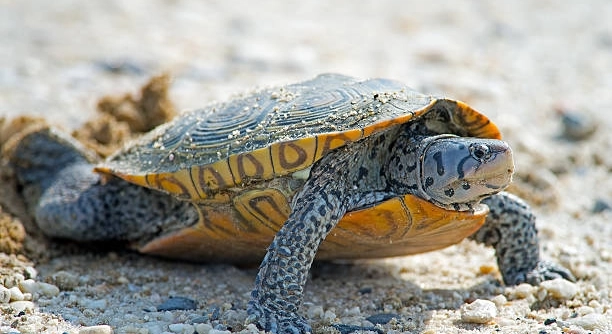
Is your diamondback terrapin acting sluggish and less active than usual? Lethargy in these turtles can be a sign of underlying health issues or environmental concerns. Identifying the cause is crucial to ensuring your pet remains healthy and happy.
Lethargy in diamondback terrapins is often caused by improper temperatures, dehydration, poor diet, or illness. Maintaining optimal habitat conditions, providing a balanced diet, and monitoring for signs of disease can help address the issue and restore your terrapin’s energy levels.
Understanding these factors will help you identify the cause of your terrapin’s lethargy and take the necessary steps to improve its well-being.
Common Causes of Lethargy in Diamondback Terrapins
Lethargy in diamondback terrapins can be linked to temperature, diet, hydration, or illness. If the water temperature is too low, your turtle’s metabolism slows down, causing inactivity. A poor diet lacking essential nutrients may also lead to sluggish behavior. Dehydration is another factor, especially if your terrapin does not have access to clean water for drinking and swimming. Additionally, respiratory infections and parasites can cause fatigue. Checking for symptoms like wheezing, swollen eyes, or shell discoloration can help determine if an illness is present. Addressing these issues early can prevent further complications.
Temperature plays a major role in your terrapin’s energy levels. If the habitat is too cold, your turtle may become inactive. Ensuring the water temperature stays between 75-80°F and providing a basking area of 85-90°F will help maintain proper activity levels.
Dietary deficiencies can also lead to low energy. A balanced diet should include high-quality commercial turtle pellets, leafy greens, and occasional protein sources like shrimp or insects. Freshwater access is essential for hydration and digestion. Regular water changes and filtration prevent bacterial growth that could affect your terrapin’s health. Ensuring proper nutrition and hydration will significantly improve your turtle’s overall well-being.
How to Help Your Terrapin Recover
If your terrapin is lethargic, start by assessing the habitat conditions. Check water and basking temperatures, ensuring they are within the recommended range. Monitor for signs of illness such as labored breathing or loss of appetite. Making small adjustments can often bring noticeable improvements.
A clean habitat is crucial for maintaining health. Poor water quality can lead to infections that cause sluggish behavior. Regularly testing water parameters, changing the water frequently, and using a high-quality filtration system will create a safe and comfortable environment. If illness is suspected, consulting a reptile veterinarian is the best course of action. A vet can diagnose infections, prescribe medications, and provide guidance on care.
Providing enrichment can also encourage activity. Hiding spots, varied terrain, and occasional live food can stimulate natural behaviors. Observing your terrapin’s response to changes will help determine what adjustments are most effective. With proper care, your terrapin can regain its usual energy and thrive.
Signs That Indicate a More Serious Issue
If your terrapin remains lethargic despite proper habitat conditions, it may be experiencing an underlying health problem. Labored breathing, swollen eyes, shell discoloration, or refusal to eat are warning signs. Ignoring these symptoms can lead to more severe complications, making early intervention essential for your turtle’s well-being.
Respiratory infections are common in terrapins exposed to low temperatures or poor water quality. Symptoms include wheezing, open-mouth breathing, and nasal discharge. Shell rot, caused by bacterial or fungal infections, presents as soft spots or foul-smelling areas on the shell. Internal parasites can also drain energy, leading to weight loss and lethargy. Identifying these signs early allows for timely treatment, preventing further health decline.
Veterinary care is necessary if symptoms persist. A reptile specialist can diagnose illnesses through examinations and tests. Treatments may include antibiotics for infections or dietary changes to address nutritional deficiencies. Regular check-ups ensure your terrapin stays healthy. Keeping track of changes in behavior and appearance helps detect issues before they become serious, allowing for prompt action.
Preventing Lethargy in the Future
Maintaining stable temperatures and clean water prevents most health issues. Use a reliable heater and thermometer to keep water within the ideal range. Perform regular water changes, and invest in a quality filter to remove harmful bacteria. A well-maintained habitat supports your terrapin’s overall health.
A varied diet rich in nutrients keeps your terrapin active. Offer a mix of commercial pellets, leafy greens, and protein sources like insects or shrimp. Avoid overfeeding, as obesity can cause sluggishness. Ensuring proper calcium intake through supplements or cuttlebone helps maintain strong bones and a healthy shell. Consistency in feeding schedules promotes digestive health and energy balance.
Enrichment plays a role in preventing lethargy. Adding rocks, logs, and live plants encourages natural behaviors like climbing and exploring. Providing live food occasionally stimulates hunting instincts, keeping your terrapin engaged. Monitoring daily activity helps detect changes early. A proactive approach to care ensures a healthy, active terrapin.
When to Seek Veterinary Help
If lethargy persists despite proper care, a vet visit is necessary. Signs like lack of appetite, difficulty swimming, or unusual shell texture indicate potential health concerns. A professional evaluation ensures the right treatment, preventing further complications and improving your terrapin’s quality of life.
Delaying medical attention can worsen conditions like infections or metabolic issues. A veterinarian can perform diagnostic tests, prescribe medication, and offer guidance on habitat adjustments. Catching problems early increases the chances of a full recovery. Regular check-ups help prevent health issues from developing into serious conditions.
Adjusting Care Based on Seasonal Changes
Terrapins may become less active during colder months, mimicking brumation, a hibernation-like state. Gradually lowering temperatures can support natural seasonal changes, but extreme cold should be avoided. If your turtle shows prolonged inactivity in warm conditions, check for potential health concerns and adjust habitat settings accordingly.
Monitoring Long-Term Health
Keeping a record of eating habits, activity levels, and shedding patterns helps track your terrapin’s well-being. Noticing subtle changes early allows for quick adjustments. Regular monitoring ensures your turtle remains active and healthy throughout its life.
FAQ
Why is my diamondback terrapin not eating?
Loss of appetite can be caused by low temperatures, stress, illness, or an unbalanced diet. Ensure the water temperature is between 75-80°F and that your terrapin has a warm basking area. Poor water quality can also discourage eating, so keeping the habitat clean is essential. If your terrapin refuses food for several days, try offering a variety of foods, including live insects or fresh seafood. If the problem continues, it may indicate an underlying health issue such as a respiratory infection or internal parasites. A veterinarian can assess the situation and provide appropriate treatment.
Can stress cause lethargy in my terrapin?
Yes, stress can make your terrapin sluggish and inactive. Changes in habitat, excessive handling, or loud noises can cause anxiety. Moving to a new tank, sudden temperature shifts, or overcrowding with other turtles may also contribute to stress. To reduce stress, provide a stable and quiet environment. Ensure your terrapin has hiding spots, a proper basking area, and consistent water conditions. Limiting handling allows your turtle to feel secure. If lethargy persists despite reducing stress factors, check for other possible health concerns.
How can I tell if my terrapin is dehydrated?
A dehydrated terrapin may have sunken eyes, dry skin, or reduced activity levels. Lack of access to clean water or excessive time spent outside the tank can contribute to dehydration. Ensure your terrapin has constant access to fresh, dechlorinated water. If your turtle is spending too much time basking and avoiding the water, check for signs of illness. Soaking your terrapin in shallow, lukewarm water for 15-20 minutes can help with rehydration. If symptoms persist, veterinary attention is recommended.
Is it normal for my terrapin to sleep a lot?
Terrapins sleep throughout the day, especially when basking, but excessive sleep could indicate an issue. If your turtle is inactive for long periods, check water temperature, diet, and overall health. Cold water slows metabolism, making the turtle lethargic. Lack of proper lighting or poor nutrition can also affect energy levels. A healthy terrapin should be alert and responsive when awake. If sleeping patterns change suddenly, observe for other symptoms like lack of appetite or difficulty swimming.
What should I do if my terrapin is floating and not moving?
Floating without movement can be a sign of illness, especially if your terrapin struggles to submerge. Respiratory infections can cause buoyancy issues, making it difficult for the turtle to dive. Poor digestion from an improper diet may also lead to gas buildup, affecting swimming ability. If your turtle remains unresponsive, check water parameters and habitat conditions. If the issue persists, seek veterinary care immediately to rule out serious health problems.
Why is my terrapin hiding all the time?
Hiding is normal, especially after changes in the environment. However, constant hiding may indicate stress, illness, or improper tank conditions. If your terrapin avoids basking or swimming, check water temperature, lighting, and enclosure setup. Ensure there are no aggressive tank mates causing stress. A balanced diet and a clean environment encourage natural activity. If hiding persists alongside other symptoms like weight loss or lethargy, a vet visit is necessary.
Can my terrapin recover from lethargy on its own?
If lethargy is due to minor environmental factors, adjusting temperature, lighting, and diet may restore normal activity. However, if an underlying illness is present, intervention is needed. Ignoring prolonged lethargy can lead to worsening health conditions. Monitoring behavior and making necessary habitat improvements can help, but veterinary care is required for persistent issues.
How often should I check my terrapin’s health?
Regular observations are key to detecting early signs of illness. Check your terrapin’s behavior, appetite, shell condition, and swimming ability daily. Perform weekly water tests to ensure proper conditions. Monthly weigh-ins can help track growth and detect weight loss. Any sudden changes in activity or appearance should be addressed promptly.
Final Thoughts
Maintaining a healthy diamondback terrapin requires attention to its habitat, diet, and overall well-being. Lethargy can result from several factors, including temperature fluctuations, poor water quality, inadequate nutrition, or illness. Regularly monitoring water conditions, providing a balanced diet, and ensuring proper basking temperatures are essential for keeping your terrapin active and healthy. Small adjustments to the environment, such as improving filtration, offering a variety of foods, and minimizing stress, can often resolve mild lethargy. However, persistent inactivity, lack of appetite, or unusual behavior should not be ignored, as they may indicate an underlying health issue that requires veterinary care.
Understanding your terrapin’s natural behavior helps distinguish between normal rest periods and concerning lethargy. Seasonal changes can affect activity levels, and some terrapins naturally slow down in cooler months. However, prolonged inactivity, difficulty swimming, or signs of respiratory distress should be taken seriously. Observing your turtle’s habits, including feeding patterns and basking behavior, allows you to detect early signs of potential health problems. Routine health checks and proper tank maintenance help prevent many common issues that lead to lethargy. A well-maintained habitat with clean water, appropriate lighting, and a stable temperature provides the foundation for a healthy terrapin.
Caring for a diamondback terrapin involves more than just meeting its basic needs. Providing a stimulating environment with hiding spots, varied food sources, and consistent care promotes overall well-being. If your terrapin exhibits unusual lethargy, addressing possible causes quickly can prevent serious health concerns. Ensuring a proper balance of warmth, nutrition, and clean water helps maintain energy levels and supports long-term health. By staying attentive to your terrapin’s needs and making necessary adjustments, you can create a thriving environment that keeps your turtle active, alert, and healthy for years to come.

Hello,
If you enjoy the content that we create, please consider saying a "Thank You!" by leaving a tip.
Every little bit helps us continue crafting quality advice that supports the health, happiness, and well-being of pets around the world, for pets of all shapes, sizes, and species.
We really appreciate the kindness and support that you show us!