
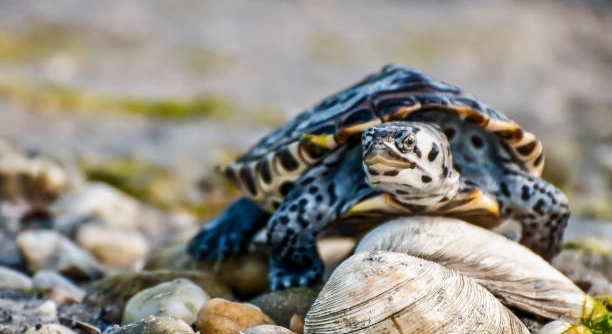
Diamondback terrapins are fascinating creatures. These turtles are known for their intelligence and unique behaviors. Understanding how they interact with their environment and owners can provide a deeper connection with these reptiles.
Diamondback terrapins have the ability to recognize their owners, forming bonds through routine interactions. This recognition is primarily based on their sensory experiences, such as sight, sound, and scent. However, their attachment may not be as deep as that of other pets.
These behaviors highlight how complex and interesting diamondback terrapins can be. Exploring their actions can reveal surprising traits that make them unique companions.
Diamondback Terrapins and Their Sense of Recognition
Diamondback terrapins rely heavily on their senses to recognize their surroundings, including their owners. These turtles have sharp vision and excellent smell, which helps them identify familiar faces and scents. Unlike dogs or cats, terrapins don’t display overt affection but may respond to the sound of their owner’s voice or their presence near the tank. They tend to remember the feeding schedule and will react when it’s time for a meal.
Their ability to recognize individuals is not as profound as it is in mammals, but it is clear that they do form associations based on routine. Over time, a terrapin may become more comfortable around a person who consistently provides care, food, and attention. While not emotionally bonded like dogs, they are sensitive to these cues, which help them feel secure in their environment.
While their recognition may seem subtle, understanding how a terrapin interacts with you can deepen the bond between you and your turtle. Knowing their triggers and habits can make them more responsive to your presence.
Behavior Patterns and Interactions
When terrapins see their owner approaching, they may swim toward the glass or become more active, anticipating food or attention. This behavior is tied to their natural instincts and routines.
Terrapins can also display curiosity by observing their owners from a distance. This reaction is part of their nature to assess potential changes in their environment. Their limited interaction with humans doesn’t mean they don’t notice changes in their surroundings. While they might not be as expressive as other pets, their behavior is a way of processing their environment.
Over time, you might notice that your terrapin becomes more aware of your actions. They may follow your movements around the tank or even show signs of excitement when it’s time for their meal. This behavior, though subtle, suggests that they recognize their owners through association and routine.
Fun and Surprising Terrapin Habits
Diamondback terrapins have several interesting behaviors that can surprise their owners. They often bask in the sun, stretching out on rocks or floating on the surface. This is not just a sign of relaxation but also a way to regulate their body temperature.
Another common behavior is their feeding ritual. They may swim in circles or get particularly excited when food is introduced. Some terrapins even seem to recognize the sound of their food container opening. If you’ve had your terrapin for a while, you might notice they are able to anticipate feeding times based on cues, like the sound of your footsteps.
Terrapins also engage in digging, often creating small burrows or scratching around their tanks. This behavior is natural and serves as a way to explore or create a sense of security. Understanding these behaviors can help you provide a better, more stimulating environment for your terrapin.
Improving the Connection with Your Terrapin
To enhance your connection with your terrapin, consistent interaction is key. Offering regular feeding times and allowing them to explore their environment will help them feel secure. Terrapins are not as social as mammals, but they do appreciate a routine that involves their human caretaker.
One of the best ways to encourage this is to approach your terrapin calmly and consistently. They may not seek out physical affection, but they will recognize your care and attention over time. This will help your terrapin feel more comfortable and familiar with you, improving their overall behavior.
By providing a consistent, calm, and enriching environment, you can help your terrapin become more responsive to you. They may not show affection in the way other pets do, but their subtle recognition and interaction will show how well they’ve adapted to their life with you.
Diamondback Terrapins and Their Response to Environment Changes
Terrapins are sensitive to changes in their environment. When their surroundings shift, they may react by becoming more cautious or retreating to their shells. They also adjust to temperature fluctuations, which is vital for their comfort and health. Any noticeable changes in their habitat, such as the introduction of new objects or shifts in water conditions, can affect their behavior.
Small changes in the tank, like adding a new decoration, can make them hesitant or curious. They may swim around it, inspect it closely, or avoid it at first. This cautious nature is a sign of their innate survival instincts. They are highly sensitive to their environment, and maintaining a stable habitat is crucial for keeping them healthy and calm. Over time, they will adapt to new elements, but initially, any changes should be gradual.
Maintaining a consistent environment helps reduce stress and allows terrapins to feel safe. If you notice behavioral shifts after changing their surroundings, it may be a sign that they need more time to adjust. Terrapins thrive on stability, and sudden alterations can sometimes cause them to withdraw.
Feeding Time Habits and Reactions
Feeding time can be one of the most predictable behaviors of a diamondback terrapin. When they are hungry, they quickly become more active and will actively seek out food. They may swim toward the surface or pace around the tank in anticipation of their meal. This behavior is linked to their ability to recognize feeding cues, such as the sound of a food container opening or even your movements.
Terrapins are opportunistic eaters, so they are usually quick to react when food is present. They will likely move toward the food source eagerly and may become more excited if they are fed at consistent times each day. They do not rely on their owners for affection, but they do come to associate them with positive experiences like feeding. This positive reinforcement leads them to display these behaviors more frequently.
It’s important to monitor their feeding routine to avoid overfeeding or underfeeding. By sticking to a consistent schedule, you can help your terrapin maintain a healthy diet and prevent overconsumption of food, which can lead to health issues.
Terrapin’s Tendency to Hide
Like many reptiles, diamondback terrapins often hide as a way to feel secure. This is particularly true when they feel stressed, threatened, or need to rest. They might retreat into the corners of their tanks or bury themselves in substrate. This behavior is completely natural and should not be mistaken for illness or discomfort.
The hiding behavior may be more pronounced during the first few days in a new environment, as terrapins take time to adjust to unfamiliar surroundings. As they become more comfortable, they may begin to spend more time swimming and basking. Their inclination to hide serves as a form of protection in the wild, where predators could pose a threat. In a home aquarium, this instinct remains strong.
To ensure that your terrapin is happy and healthy, make sure their hiding spaces are safe and comfortable. Providing an area where they can retreat will help reduce stress. It’s a good sign if your terrapin begins to hide occasionally, as it means they feel secure enough to seek refuge when needed.
Diamondback Terrapins and Their Sleeping Patterns
Diamondback terrapins are known to have distinct sleep patterns. They typically sleep at night, often resting in a secluded spot within their habitat. When they’re not active, they may retreat to the bottom of the tank or find a spot to rest in the corners. This sleep behavior is normal and helps them conserve energy.
They might also sleep during the day, especially if the environment is too warm or they feel stressed. The key to a healthy terrapin is ensuring they have enough quiet, undisturbed space where they can rest and regulate their energy levels.
How to Encourage Proper Basking
Basking is a vital behavior for diamondback terrapins, as it helps them regulate their body temperature and absorb UVB rays. Providing a basking area with adequate warmth is essential. Terrapins need a consistent heat source to help them dry off and maintain optimal health.
Ensure the basking spot is located near the water’s surface, so the terrapin can easily access it when needed. They prefer a dry area where they can completely emerge from the water. Consistent basking times will also help your terrapin feel more secure and establish healthy routines. If the basking area is too small or too far from the water, your terrapin may feel stressed and avoid it.
Social Interaction in Diamondback Terrapins
Diamondback terrapins are generally solitary creatures and do not seek out much social interaction. They may occasionally show curiosity toward other terrapins or animals in their environment, but they do not form strong social bonds. These turtles are territorial and may show signs of aggression if they feel crowded or threatened.
It’s important to respect their space and avoid overcrowding their habitat. While they may interact with other terrapins during feeding time or in large enclosures, they are most content when they have room to move freely without competition. Maintaining a calm, controlled environment ensures they thrive.
FAQ
Can diamondback terrapins recognize their owners?
Diamondback terrapins can recognize their owners, though not in the same way a dog or cat might. They respond to consistent patterns, such as feeding times or the presence of their caretaker. Over time, they may associate their owners with positive experiences, like being fed or handled gently. While they don’t form emotional bonds like mammals, they can recognize familiar faces and routines, which helps them feel more comfortable in their environment.
How do diamondback terrapins show affection?
Terrapins don’t show affection in the same way pets like dogs or cats do. They are solitary animals and do not seek out attention or physical contact. However, they can display behaviors that suggest they trust their environment and their caretakers. For instance, a terrapin might come closer to the tank’s surface when it sees its owner or may be more relaxed around familiar individuals. These signs indicate comfort but not affection in a human sense.
What temperature is best for a diamondback terrapin?
Maintaining the correct temperature is crucial for a terrapin’s health. The water should be kept between 70°F to 80°F (21°C to 27°C). Basking areas should be slightly warmer, between 85°F to 90°F (29°C to 32°C), to allow the terrapin to dry off and regulate its body temperature. These ranges help keep the terrapin active, healthy, and comfortable.
How often should I feed my diamondback terrapin?
Feeding schedules for terrapins depend on their age and size. Adult diamondback terrapins should be fed every other day, offering a balanced diet of proteins, vegetables, and occasional treats like earthworms or shrimp. Juveniles may need to be fed daily since they are growing. Overfeeding should be avoided to prevent health issues.
What should I feed my diamondback terrapin?
Diamondback terrapins are omnivores and thrive on a varied diet. Offer a mix of leafy greens like kale, spinach, and romaine lettuce. You can also provide aquatic plants, such as water hyacinth or duckweed. Supplement their diet with proteins like fish, earthworms, and shrimp. Commercial turtle pellets are also an option but should not be the sole food source.
Can diamondback terrapins live with other turtles?
Terrapins can live with other turtles, but it requires careful consideration. They can become territorial, especially if the tank is too small. If you choose to house multiple terrapins together, ensure there’s enough space and hiding spots to prevent aggression. In some cases, they may tolerate one another, but conflicts over space or food can arise.
Do diamondback terrapins need UVB light?
Yes, UVB light is essential for diamondback terrapins. UVB light helps them synthesize vitamin D3, which is necessary for proper calcium absorption and bone health. Without adequate UVB exposure, terrapins may develop shell deformities or other health problems. It’s important to provide a UVB light source over the basking area, ensuring they can get the necessary exposure.
How do I keep my diamondback terrapin tank clean?
Keeping the tank clean is vital for your terrapin’s health. Regular water changes, at least once a week, will help maintain water quality. Use a good filtration system to keep the water clean between changes. Remove uneaten food promptly to avoid water contamination. Spot cleaning the substrate and décor should also be done regularly.
Can diamondback terrapins live in freshwater or saltwater?
Diamondback terrapins are unique in that they live in brackish water, which is a mix of fresh and saltwater. They prefer environments where the salinity is low, such as coastal marshes and estuaries. It’s important to replicate this brackish environment in a tank to ensure they thrive. Freshwater alone is not suitable for their long-term health.
What should I do if my diamondback terrapin isn’t eating?
If your terrapin isn’t eating, first check the water temperature, as improper water conditions can cause them to lose their appetite. Stress, illness, or a change in their environment can also affect their eating habits. If the problem persists for more than a few days, consider consulting a vet who specializes in reptiles to rule out any health issues.
Do diamondback terrapins need a filter in their tank?
Yes, a filter is necessary for a terrapin tank. Terrapins produce waste, and the filter helps keep the water clean and free of harmful toxins. It is recommended to use a high-quality filter that can handle the tank’s size and water volume. A filter will also help reduce the frequency of water changes.
How can I tell if my diamondback terrapin is sick?
Signs of illness in a terrapin include a lack of appetite, lethargy, swollen or discolored eyes, shell abnormalities, or unusual behavior like frequent hiding. If you notice any of these signs, it’s important to seek professional care immediately. Early intervention can prevent more serious health issues.
What is the lifespan of a diamondback terrapin?
Diamondback terrapins have a lifespan of 20 to 40 years in the wild, depending on environmental conditions and their ability to avoid predators. In captivity, they can live for over 30 years with proper care, including a balanced diet, appropriate tank conditions, and regular vet check-ups.
How do I provide proper basking spots for my terrapin?
To provide proper basking spots, use a dry platform or ramp where the terrapin can completely emerge from the water. The basking area should have a heat source, such as a basking light, to maintain temperatures of around 85°F to 90°F (29°C to 32°C). Ensure the area is large enough for the terrapin to move around comfortably.
Can diamondback terrapins recognize their reflection?
Diamondback terrapins are not likely to recognize their own reflection. While they might be curious about the reflection, they do not have the cognitive ability to understand it as themselves. They may treat the reflection as another animal, leading to potential territorial or defensive behaviors.
Final Thoughts
Diamondback terrapins are fascinating creatures that require specific care to thrive in a home environment. While they may not bond with their owners in the same way as some pets, they can recognize familiar faces and routines. This ability allows them to feel more comfortable and secure in their surroundings. As with all pets, consistency and attention to their needs, such as proper diet, water quality, and temperature, are key to maintaining their health and happiness. Understanding their behavior and natural instincts will also help you provide the best care possible.
Their unique habitat needs, including brackish water, UVB light, and a proper basking area, highlight the importance of replicating their natural environment as closely as possible. Without these elements, they may face health issues that can be avoided with the right setup. While they are not as interactive as some other pets, diamondback terrapins do exhibit behaviors that show trust and familiarity. These behaviors can be subtle, such as moving closer to the surface when their owner is nearby, but they demonstrate that terrapins do respond to their environment and caretakers in their own way.
In conclusion, keeping a diamondback terrapin as a pet requires patience and attention to detail, but it can be a rewarding experience. By providing them with the right environment and meeting their basic needs, you will ensure that your terrapin leads a long, healthy life. The behaviors they display, even if not overtly affectionate, offer a glimpse into their unique personalities. While they may not form deep emotional bonds, they do recognize their caretakers and can be content in their well-maintained home.

Hello,
If you enjoy the content that we create, please consider saying a "Thank You!" by leaving a tip.
Every little bit helps us continue crafting quality advice that supports the health, happiness, and well-being of pets around the world, for pets of all shapes, sizes, and species.
We really appreciate the kindness and support that you show us!