
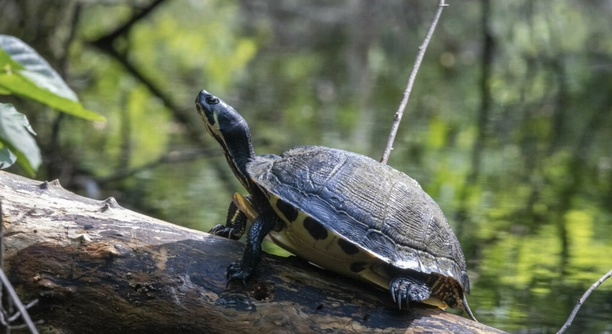
Yellow-bellied sliders are popular pets known for their playful nature and unique appearance. As with any pet, it’s important to provide them with a balanced diet. You might wonder if certain foods are safe for them to eat, including avocado.
Yellow-bellied sliders should not eat avocado. It contains a substance called persin, which can be harmful to many animals, including reptiles. Consuming avocado can cause digestive issues or even more severe health problems for your slider.
There are many safe and nutritious foods you can offer your yellow-bellied slider. Understanding what’s safe for them to eat will ensure they thrive in your care.
Why Avocado Is Dangerous for Yellow-Bellied Sliders
Yellow-bellied sliders, like most turtles, have sensitive digestive systems that can be easily upset by certain foods. Avocado contains persin, a chemical compound that can be toxic to reptiles. Even small amounts of avocado can lead to discomfort, digestive issues, or more serious health problems. Because of their unique dietary needs, these turtles rely on specific nutrients, and avocados don’t provide anything beneficial for them. It’s better to stick with foods that match their natural diet.
Though avocado seems like a healthy food for humans, it isn’t suitable for your yellow-bellied slider. Ingesting it can cause vomiting, diarrhea, or other digestive problems. It’s important to be cautious when introducing new foods to your pet’s diet.
Some fruits and vegetables are safe for your yellow-bellied slider, like leafy greens, carrots, or strawberries. These are far better options than avocado. It’s best to research and choose foods that will help your turtle stay healthy and happy without risking their wellbeing. Providing a balanced diet is crucial for their long-term health.
What Foods Are Safe for Yellow-Bellied Sliders?
There are plenty of foods that you can safely feed your yellow-bellied slider. Common options include leafy greens like kale and dandelion greens, as well as vegetables like carrots and squash. You can also offer fruits such as strawberries and blueberries. These provide essential vitamins and minerals that contribute to the turtle’s overall health.
Maintaining a diet of safe, healthy foods ensures your slider thrives. Offering a variety of greens, vegetables, and fruits not only makes their diet more interesting but also ensures they get all the nutrients they need. Just make sure to avoid high-fat or high-protein foods, as these can cause health issues over time. Stick to a well-rounded feeding plan with moderation.
The Risks of Avocado for Reptiles
The fats in avocado can be difficult for yellow-bellied sliders to process, making it hard for their digestive system to break down. If consumed, it can lead to discomfort and long-term health problems. It’s better to avoid feeding them this fruit altogether to protect their well-being.
Even though humans can enjoy the nutritional benefits of avocado, reptiles, especially yellow-bellied sliders, should not be exposed to it. The compound persin, found in avocado, affects their health by causing digestive issues, dehydration, and even kidney problems in extreme cases. It’s simply not worth the risk. Stick to safer food choices that support their health.
Sliders depend on a balanced diet of plants, and while avocado is plant-based, it doesn’t offer the nutrition they need. They thrive best on foods such as leafy greens and other vegetables that are more in line with their natural diet. To keep them healthy, keep avocado out of their meals.
Safe Alternatives to Avocado for Yellow-Bellied Sliders
Yellow-bellied sliders thrive on a variety of plants that are safe and nutritious. Dandelion greens, kale, and collard greens make excellent choices. These greens provide the vitamins and minerals essential for maintaining their health. Additionally, fruits like strawberries, blueberries, and watermelon are safe and can add variety to their diet.
Avoid feeding your yellow-bellied slider any food that could disrupt their digestive system. Offering them leafy greens, such as kale and dandelion greens, provides important calcium and fiber. In addition, certain vegetables like squash or carrots can be included as occasional treats. These foods are packed with nutrients that contribute to a healthy lifestyle, without posing risks like avocado does.
Why Some Fruits Are Better Than Others
When it comes to feeding your yellow-bellied slider, fruits can be a healthy treat in moderation. However, it’s essential to choose fruits that are safe and beneficial for them. Avoid sugary or acidic fruits that could upset their digestion.
Fruits like strawberries, blueberries, and watermelon are excellent options. These fruits are hydrating and provide essential vitamins without being too rich in sugars or acids. Always cut the fruits into small, manageable pieces to make it easier for your slider to eat and digest.
Understanding Your Slider’s Digestive Needs
Yellow-bellied sliders have a digestive system that’s sensitive to certain foods. While their diet includes some fruits, vegetables are a much more significant part of their nutrition. Offering the right balance between these foods ensures their digestive system remains healthy.
A diet too high in fruits or fatty foods can lead to digestion problems and weight gain. It’s best to stick to the basics like greens and occasional fruits. Overfeeding treats could lead to poor health over time. Maintaining a steady diet of greens and occasional safe fruits is the best option for your slider.
Tips for a Balanced Diet
A balanced diet for a yellow-bellied slider means variety. Include a mixture of leafy greens, some vegetables, and fruits. Offering them a range of foods ensures they get a broad spectrum of nutrients, which is key for their health. Always be mindful of portion sizes.
FAQ
Can yellow-bellied sliders eat fruits?
Yes, yellow-bellied sliders can eat certain fruits, but they should be given in moderation. Fruits like strawberries, blueberries, and watermelon are safe options. These fruits provide hydration and vitamins without overloading their system with sugar or acids. Always cut them into small pieces to avoid choking hazards and to help with digestion.
Is avocado safe for yellow-bellied sliders?
No, avocado is not safe for yellow-bellied sliders. It contains a compound called persin, which can be harmful to reptiles, including turtles. Even small amounts of avocado can lead to digestive problems, dehydration, or more severe health issues. Avoid feeding your slider avocado altogether to keep them safe.
What vegetables can yellow-bellied sliders eat?
Yellow-bellied sliders enjoy a variety of vegetables. Some of the best options include leafy greens like kale, dandelion greens, and collard greens. Squash, carrots, and bell peppers can also be offered occasionally. Always ensure that vegetables are chopped into manageable pieces for easy digestion and to avoid choking.
Are yellow-bellied sliders herbivores or carnivores?
Yellow-bellied sliders are omnivores, meaning they eat both plant and animal matter. In the wild, they feed on aquatic plants, insects, small fish, and sometimes even carrion. In captivity, they still need a mix of plant-based food, such as leafy greens, and animal protein, like worms or small fish, to maintain a balanced diet.
How often should I feed my yellow-bellied slider?
Yellow-bellied sliders should be fed daily when they’re young, as they need more nutrients for growth. As adults, you can reduce the frequency to every other day or three times a week. Their diet should consist mostly of vegetables and some protein. Adjust the feeding schedule based on their activity and size.
Can yellow-bellied sliders eat bugs?
Yes, yellow-bellied sliders can eat bugs, and they enjoy small insects like crickets, mealworms, or even earthworms. These provide protein, which is an important part of their diet. However, avoid feeding them large insects that may pose a choking risk or come from unsafe sources like your garden.
What happens if I feed my yellow-bellied slider too much protein?
Feeding your yellow-bellied slider too much protein, especially animal-based protein, can lead to kidney issues and obesity. A diet high in protein can also upset their digestive system, causing problems like shell deformities or improper growth. Balance their diet with mostly plant matter and limit protein to a few times a week.
Can yellow-bellied sliders eat lettuce?
Yes, yellow-bellied sliders can eat lettuce, but it should not be a staple in their diet. Romaine lettuce is the best option since it’s more nutritious than iceberg lettuce. However, lettuce should only be given occasionally as part of a varied diet, as it doesn’t provide as many nutrients as other leafy greens.
How can I keep my yellow-bellied slider’s shell healthy?
A healthy diet and proper UVB lighting are crucial for maintaining a yellow-bellied slider’s shell. A diet rich in calcium and vitamin D3 helps promote strong shell growth. Offer a variety of leafy greens, cuttlefish bone, or calcium supplements. UVB lighting ensures they can properly absorb calcium, preventing shell deformities.
What are the signs of an unhealthy yellow-bellied slider?
An unhealthy yellow-bellied slider may show signs such as lethargy, loss of appetite, abnormal swimming, or a soft or deformed shell. Skin problems like swelling or unusual discoloration, as well as any visible wounds, should also be addressed. If you notice these signs, it’s important to consult a vet to rule out health issues.
Can yellow-bellied sliders eat fish?
Yes, yellow-bellied sliders can eat fish, and they enjoy small live fish such as minnows. These provide protein and stimulate natural hunting behavior. However, it’s important not to overfeed fish, as too much animal protein can lead to health issues. Limit fish to occasional meals and balance it with vegetables and greens.
Can I feed my yellow-bellied slider frozen food?
Yes, you can feed your yellow-bellied slider frozen food like shrimp or fish, as long as it’s appropriately thawed and not too fatty. Frozen foods can be a convenient and safe option, but they shouldn’t make up the bulk of their diet. Fresh foods, like greens and vegetables, should be their primary source of nutrition.
Final Thoughts
When it comes to feeding your yellow-bellied slider, it’s important to keep their diet as natural and balanced as possible. While they are omnivores and can eat a variety of foods, it’s essential to understand which foods are beneficial and which can be harmful. Avocado, for example, should be avoided due to its harmful compound, persin, which can lead to serious health issues for your turtle. By making informed choices about what to feed your slider, you can help them live a long and healthy life.
A good diet for a yellow-bellied slider should include a mix of leafy greens, vegetables, and fruits. Greens like kale, dandelion greens, and collard greens provide the essential vitamins and minerals they need. Vegetables such as carrots, squash, and bell peppers are also good choices. When it comes to fruit, stick to safe options like strawberries, blueberries, and watermelon, and remember to feed them in moderation. This variety ensures your slider gets the right amount of nutrition without overloading them with anything that could upset their system.
Understanding what foods to avoid and what to offer is a key part of being a responsible pet owner. Not only does it help prevent digestive issues or more serious health problems, but it also supports their growth and overall well-being. Feeding your yellow-bellied slider a balanced diet that mimics what they would naturally eat in the wild will ensure they stay happy and healthy for years to come.

Hello,
If you enjoy the content that we create, please consider saying a "Thank You!" by leaving a tip.
Every little bit helps us continue crafting quality advice that supports the health, happiness, and well-being of pets around the world, for pets of all shapes, sizes, and species.
We really appreciate the kindness and support that you show us!