
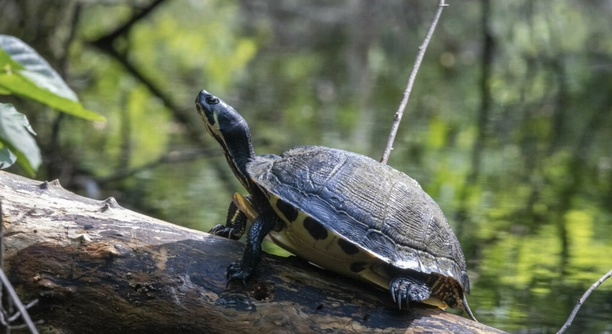
A yellow-bellied slider is a popular pet turtle that enjoys spending time in warm environments. Understanding its behavior is essential to maintaining a healthy habitat for your pet.
Your yellow-bellied slider seeks warmth near the heater because it is regulating its body temperature. As cold-blooded reptiles, turtles require external heat sources to stay active and digest food properly.
By ensuring proper heating, you can support your slider’s health and well-being. Understanding the reasons behind their behavior helps create the best environment for your pet’s needs.
Why Does My Yellow-Bellied Slider Need Heat?
Yellow-bellied sliders, like other reptiles, are ectothermic, meaning they rely on external sources of heat to regulate their body temperature. If your slider is often found near a heater, it is likely trying to warm up to the ideal temperature for digestion and activity. In the wild, these turtles bask in the sun to achieve the right temperature, but in captivity, a heat source mimics this process. Without proper heating, your turtle may become lethargic or struggle with digesting food. Keeping the temperature regulated in their tank is crucial for their overall health and well-being.
Proper heat is necessary to help your slider digest food, stay active, and maintain good immune health. Make sure the tank is equipped with both a basking light and a heater to ensure a healthy balance.
By providing a proper heat source, you will notice your turtle’s behavior becoming more active. A warm tank also supports its metabolism, allowing for proper growth and energy. Ensuring a suitable temperature gradient in your tank will make your slider feel more comfortable.
How to Maintain the Right Temperature
The right temperature is essential to your turtle’s health. Too much heat can stress your slider, while too little can lead to health problems.
Turtles thrive in environments that replicate their natural habitat. Your tank should have areas with different temperatures, allowing your turtle to choose a warm spot when needed. A basking area should reach around 85°F to 90°F, while the cooler areas of the tank should stay between 70°F and 75°F. Using a thermometer to monitor the tank’s temperature is the easiest way to ensure your turtle’s habitat is ideal.
The Impact of Temperature on Digestion
A yellow-bellied slider requires warmth to properly digest food. If the water or basking area is too cold, its metabolism slows down. This makes it harder for your turtle to process the nutrients from its meals, leading to poor health. Maintaining the right temperature ensures your turtle has the energy it needs to digest food and stay healthy.
Without proper warmth, your turtle may refuse to eat or show signs of malnutrition. If you notice your turtle eating less or being sluggish, check the tank temperature. Keeping the tank consistently warm promotes better digestion and encourages natural behaviors.
Inadequate heating may also result in a weakened immune system. A cold environment makes it harder for your turtle to fend off illnesses. Keeping your slider’s basking spot and water warm will help it thrive, ensuring that your pet remains active, happy, and healthy.
Using the Right Heating Equipment
Choosing the right equipment is key to ensuring your slider stays warm. There are a few options, like heat lamps, under-tank heaters, or aquatic heaters. Make sure to select one that provides even and steady heat.
While heat lamps are great for providing warmth in the basking area, submersible heaters are ideal for maintaining water temperature. The lamp should be positioned to ensure your turtle can bask in the warmth. When using an aquatic heater, always check that it’s suitable for your tank size. This helps prevent overheating or underheating the water.
It’s important to monitor the temperature regularly. You can use a thermometer to keep track of both the water and air temperatures. This will ensure that your slider has access to the right conditions for both basking and swimming.
Signs Your Turtle Is Too Cold
If your yellow-bellied slider is too cold, you might notice it being more lethargic than usual. It may sit in one spot for long periods, avoiding activity. A lack of appetite is another clear sign. Cold temperatures affect their metabolism and discourage feeding.
Your turtle may also be hesitant to bask or move around much when it’s too cold. A drop in temperature can make your slider feel sluggish, and they may spend more time submerged in the water, trying to find warmth. Pay attention to these signs to prevent further health issues.
Maintaining a Temperature Gradient
A temperature gradient is essential for your slider’s comfort. The tank should have a warmer basking area and a cooler section where your turtle can retreat if needed.
With a range of temperatures, your turtle can choose where it feels most comfortable. This helps prevent stress and ensures your pet has access to optimal conditions. A well-maintained gradient will allow your slider to regulate its body temperature naturally, which is crucial for its health.
Common Mistakes in Heating
One common mistake is over-relying on one heat source, such as a lamp. This can lead to uneven heating in the tank. Make sure the entire environment is properly heated, not just one area.
Also, be cautious with tank size. A heater that’s too small won’t heat the water effectively, and a too-large heater can overheat the space. Use the appropriate size for your tank to avoid temperature fluctuations. Monitoring the water temperature consistently with a thermometer is an easy way to stay on track.
FAQ
Why does my yellow-bellied slider spend so much time under the heat lamp?
Your turtle spends time under the heat lamp to regulate its body temperature. As a cold-blooded animal, it needs external heat sources to stay active and healthy. Without proper warmth, it may become lethargic and struggle with digestion. Providing a consistent heat source helps your turtle maintain its energy and ensures its metabolism runs properly.
Can my turtle overheat near the heater?
Yes, it’s possible for your turtle to overheat if the heater is set too high or placed too close to the basking spot. This can cause stress and even burns. Always use a thermometer to monitor the temperature and adjust the heat accordingly. A temperature gradient in the tank is key, with a cooler area for your turtle to retreat to when it needs to regulate its body heat.
How can I tell if the heater is working properly?
To check if the heater is working, you should monitor the water temperature regularly with a reliable thermometer. If your turtle is spending excessive time near the heater or seems lethargic, it could be a sign the temperature is either too high or too low. You can also feel the water to ensure it’s consistently warm. If you notice any irregularities, consider testing the heater or replacing it if it’s malfunctioning.
What’s the ideal temperature for a yellow-bellied slider’s tank?
For a yellow-bellied slider, the basking area should range from 85°F to 90°F. The water temperature should be around 75°F to 80°F. It’s important to provide a temperature gradient in the tank, so your turtle can choose where it feels most comfortable. Keep an eye on the temperature and adjust it when necessary to ensure your slider stays healthy and active.
Can I use a regular home heater to warm the tank?
It’s best to avoid using a regular home heater to warm your turtle’s tank. These heaters are not designed for aquatic environments and can cause temperature imbalances or safety hazards. Invest in an aquarium heater or a specialized basking light to create the proper temperature range for your turtle’s habitat. These heaters are built to safely maintain consistent temperatures.
Is it normal for my turtle to bask all day near the heater?
It’s normal for your turtle to bask for several hours a day near the heater, especially if it’s trying to maintain its body temperature. However, if your turtle stays under the heat lamp all the time or refuses to leave the warm area, it might indicate that the tank temperature is too low. Adjusting the temperature and ensuring your turtle has access to cooler areas will help balance its needs.
How do I maintain the right humidity for my turtle’s tank?
Humidity levels are important for your yellow-bellied slider’s health. To maintain proper humidity, make sure the tank is not too dry, especially in the basking area. Mist the tank regularly or place a humidity gauge inside to monitor the levels. Also, providing a larger water area can help with humidity control, as water naturally increases the moisture in the air.
Can I use a ceramic heat emitter for my turtle’s tank?
Yes, a ceramic heat emitter is a great option for warming your turtle’s basking area. Unlike heat lamps that produce light, ceramic emitters only generate heat, which can help your turtle maintain a more consistent temperature. They are also useful if you want to avoid disrupting your turtle’s day and night cycle with bright lights. Be sure to monitor the temperature to avoid overheating.
Should I use an underwater heater in addition to a heat lamp?
Using both an underwater heater and a heat lamp is ideal for creating the perfect temperature gradient in your turtle’s tank. The underwater heater helps maintain a consistent water temperature, while the heat lamp provides warmth for basking. Together, they create an environment where your turtle can easily regulate its body temperature by moving between warmer and cooler areas.
How do I know if my turtle is too cold?
If your turtle is too cold, it may become sluggish, stop eating, or stay in one spot for extended periods. Turtles need warmth to stay active and digest food properly, so a drop in temperature can lead to health problems. To prevent this, ensure that your tank is at the proper temperature and that your turtle has access to both warm and cool areas.
Can a yellow-bellied slider survive in a cold room?
Yellow-bellied sliders are sensitive to cold temperatures. If the room is too cold, the tank’s temperature will drop, which can lead to stress or illness. Always ensure the tank is kept in a warm room, or use a thermostat-controlled heater to maintain a consistent temperature. If you live in a colder climate, it’s important to regulate the tank’s environment to prevent your turtle from becoming too cold.
How can I make sure my turtle stays warm when I’m away?
If you’re going to be away for an extended period, make sure your turtle’s heat sources are functioning properly. Set up a thermostat for your heater or use a timer to control the basking light. You can also ask someone to check the temperature periodically to ensure your turtle’s environment stays consistent. Having backup heating options is also a good idea in case of a malfunction.
Why is my turtle spending more time in the water than usual?
If your turtle is spending more time in the water than near the heater, it could indicate that the basking area is too hot or too cold. Ensure the temperature is well-balanced across the tank, with a warm basking spot and cooler areas. Also, check the water temperature and adjust it as needed, as too cold water can make your turtle spend more time submerged.
Is it safe to leave my turtle under the heat lamp overnight?
Leaving your turtle under the heat lamp overnight is not necessary. Most turtles require a day/night cycle with a cool-down period at night. It’s fine to keep the heat on during the day, but the basking area should be cooler at night, providing your turtle with a resting phase. Make sure to turn off the lamp or use a ceramic heat emitter that doesn’t emit light overnight.
Final Thoughts
Maintaining the right temperature for your yellow-bellied slider is essential to its overall health and well-being. As cold-blooded reptiles, turtles rely on external heat sources to regulate their body temperature. Without proper warmth, they can become sluggish, lose their appetite, and experience digestive issues. A consistent temperature that mimics their natural environment helps them stay active and healthy. Providing a warm basking area, as well as a cooler spot for them to retreat to, creates a temperature gradient that allows your turtle to regulate its body heat naturally. This is crucial for their metabolism, growth, and immune system.
Using the right heating equipment plays a key role in maintaining your turtle’s habitat. Heat lamps, submersible heaters, and ceramic heat emitters are all great options, but it’s important to choose the right one for your tank size and the needs of your turtle. Regularly monitoring the temperature with thermometers helps ensure the water and basking areas stay at the proper levels. By keeping track of the temperature and making adjustments when necessary, you can prevent overheating or underheating, both of which can harm your turtle’s health. Proper heating equipment allows you to maintain the optimal environment for your pet.
In the end, understanding your yellow-bellied slider’s need for warmth is key to providing it with a comfortable and healthy home. Pay attention to signs of discomfort, such as lethargy or loss of appetite, as these can be indicators that something is wrong with the temperature. Investing in the right equipment and consistently monitoring the environment will help your turtle thrive. A well-maintained temperature in both the water and basking area ensures your turtle can live a long, healthy life.

Hello,
If you enjoy the content that we create, please consider saying a "Thank You!" by leaving a tip.
Every little bit helps us continue crafting quality advice that supports the health, happiness, and well-being of pets around the world, for pets of all shapes, sizes, and species.
We really appreciate the kindness and support that you show us!