
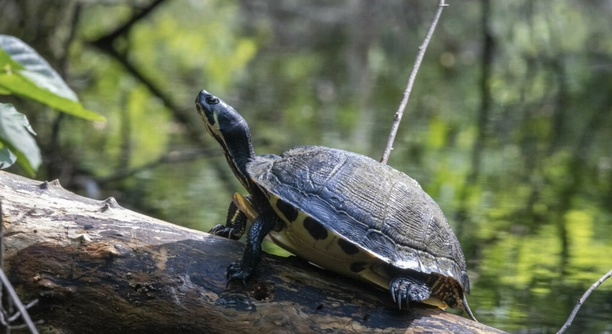
Yellow-Bellied Sliders are popular pets due to their friendly nature and unique appearance. However, their shell growth can sometimes indicate underlying health issues that require attention. Knowing the signs of these problems is essential to their well-being.
Yellow-Bellied Sliders can experience shell growth issues caused by malnutrition, improper lighting, or illness. Identifying these problems early on ensures that your turtle gets the proper care needed to thrive. Look for specific indicators to assess its health.
By recognizing these indicators, you can help your turtle maintain a healthy shell and avoid potential complications. Continue reading to discover the key signs to watch for and how to address them effectively.
Abnormal Shell Shapes
One of the first signs of shell growth issues in Yellow-Bellied Sliders is abnormal shell shapes. A healthy shell should have a smooth, even surface. If you notice that the shell is becoming misshapen or uneven, it could be a sign of improper growth. This could be caused by a variety of factors, such as a lack of calcium or an incorrect diet. In some cases, shell deformities can also result from infections or diseases. A common issue is the development of pyramiding, where the shell grows in a pyramid-like structure rather than a smooth, rounded shape. This can be painful for the turtle and can affect its mobility. To prevent such issues, make sure your turtle’s diet is rich in calcium and other essential nutrients, and provide them with proper UVB lighting to support healthy shell development.
A turtle’s shell growth should remain smooth and gradual. Any sudden changes in its shape require attention. Regular checkups can catch these problems early, preventing further complications.
Proper diet and lighting play a key role in maintaining a healthy shell. Without the right conditions, deformities can worsen, affecting the overall health of your Yellow-Bellied Slider.
Soft or Spongy Shell
A soft or spongy shell is another clear indicator of growth issues. This is often a sign that the turtle is not getting enough calcium, which is crucial for shell hardening. Soft shells can also result from poor diet, low UVB exposure, or underlying health issues. If you notice the shell feels soft to the touch or appears to be denting easily, it’s essential to make adjustments immediately. Calcium supplements and proper UVB lighting are vital to ensure that your turtle’s shell stays firm and strong. In severe cases, soft shells can lead to infections, as bacteria can easily enter through weakened areas. If left untreated, this can cause significant health problems. It’s also important to monitor the overall health of your turtle to rule out any diseases that might be contributing to the issue. Soft shells are preventable with consistent care and the right environment.
Proper UVB lighting encourages the production of vitamin D3, which aids in calcium absorption. If your turtle lacks proper lighting or doesn’t get enough calcium from its diet, the shell will suffer.
Take action to address a soft or spongy shell immediately. Add calcium-rich foods like leafy greens and calcium supplements to their diet. Provide the right lighting to support strong, healthy shells.
Cracks or Splits in the Shell
Cracks or splits in the shell are a serious concern. These openings can occur if the turtle’s shell has not developed properly or if the turtle has suffered physical trauma. This can also happen due to lack of proper nutrition or poor care.
If your Yellow-Bellied Slider’s shell has visible cracks, it could lead to infections if not treated promptly. Cracks often form in areas where the shell is weak, such as near the edges. Keeping the tank environment stable and preventing accidents is essential for shell health. If you spot any cracks, it’s crucial to get your turtle treated by a veterinarian immediately. Shell cracks can worsen over time, leading to more severe health problems if left untreated.
Providing a balanced diet with sufficient calcium is important to prevent shell weakness. Your turtle should have access to UVB light to help absorb calcium and promote a hard, strong shell. Always handle your turtle gently to avoid any impact damage.
Excessive Shedding or Flaking
Excessive shedding or flaking of the shell is another potential sign of shell growth problems. A turtle’s shell naturally sheds over time, but when it occurs too frequently, it may indicate an underlying issue. This could be due to poor diet, dehydration, or inadequate environmental conditions.
Flaking can also result from a fungal or bacterial infection, which can cause the outer layer of the shell to peel away. It’s important to check if there are any other signs of illness, like lethargy or loss of appetite, which might point to an infection. To avoid excessive shedding, make sure your Yellow-Bellied Slider has a balanced diet and access to clean, properly heated water. Overly dry conditions or incorrect humidity levels can also affect the shell, leading to flaking.
In addition, regular water changes and maintaining the correct tank temperature can help prevent skin or shell shedding issues. If you notice persistent flaking, it’s important to consult a vet to rule out infections or other health concerns.
Swelling or Puffy Areas
Swelling or puffiness in the shell is often a sign of an infection or injury. If your Yellow-Bellied Slider’s shell looks unusually swollen, it might indicate that fluid is building up beneath the shell. This can be caused by a variety of factors, including bacterial or fungal infections.
If you notice swelling, take action quickly. Swelling can worsen and become painful for the turtle if left untreated. It’s important to check for other signs of infection, such as redness or unusual discharge. Keeping your turtle in a clean, well-maintained habitat can reduce the chances of infections that cause swelling.
Prompt treatment from a veterinarian can help address the infection and prevent further complications. If your turtle has been injured, you’ll need to monitor the injury site carefully and avoid handling it too much.
Discoloration of the Shell
Discoloration in the shell can be a clear indication of underlying health issues. A yellowish or pale shell might indicate vitamin deficiencies or lack of proper lighting, while dark spots or patches can be a sign of infection or injury. Regularly inspect the shell for changes in color.
Changes in shell color may signal an infection or stress. Ensuring proper lighting, a balanced diet, and a clean environment can help maintain a turtle’s shell color. If you notice sudden color changes, it’s essential to seek help from a veterinarian to determine the cause and treat it.
FAQ
What should I do if my Yellow-Bellied Slider’s shell is soft?
If your turtle’s shell feels soft, it’s crucial to address the underlying cause. The soft shell is often linked to calcium deficiency or improper UVB lighting. First, ensure that the turtle is getting a proper diet rich in calcium and vitamin D3. This can be done by offering leafy greens, such as kale, and supplementing with calcium powder. Make sure the turtle has access to UVB light to help with calcium absorption. Additionally, check the tank’s temperature and humidity to ensure they are within the recommended range. If the shell remains soft despite these adjustments, it’s best to consult a vet for a more thorough evaluation.
How can I prevent my turtle from developing shell deformities?
Preventing shell deformities starts with providing the right environment. Ensure that your Yellow-Bellied Slider has access to both UVB light and a proper diet, which includes sufficient calcium and vitamin D3. The right balance of these nutrients promotes healthy shell growth. Avoid overcrowding in the tank, as this can lead to stress and hinder proper growth. Regularly monitor the water quality and temperature, as poor water conditions can contribute to shell problems. Finally, always handle your turtle gently to avoid injury. By providing the correct conditions, you can reduce the risk of deformities.
Can shell growth issues be caused by poor water quality?
Yes, poor water quality can significantly contribute to shell growth issues. If the water in your turtle’s tank is dirty or not properly filtered, it can lead to infections and stress. These factors can negatively affect shell development. High levels of bacteria in unclean water can result in shell rot, while an improper water temperature can slow down metabolic processes that are essential for healthy shell growth. Make sure to clean the tank regularly, use a reliable filtration system, and check the water parameters regularly, including pH, ammonia, and nitrate levels, to ensure they stay within the safe range for your turtle.
What signs indicate that my turtle might have a shell infection?
Shell infections are typically visible through discoloration, swelling, or cracks in the shell. You may notice areas where the shell is softer than usual or developing abnormal textures, like a spongy feel. Infected areas could also show a yellowish, greenish, or brownish tint. If you notice pus or fluid coming from the shell, this is a clear sign of an infection. Turtles with shell infections may also exhibit changes in behavior, like reduced activity or a lack of appetite. If any of these symptoms appear, it’s essential to consult a veterinarian immediately to prevent the infection from spreading.
How do I treat shell cracks in my Yellow-Bellied Slider?
Treating shell cracks involves providing a clean environment and preventing further injury. Clean the tank regularly and ensure that the water is at the correct temperature to promote healing. Depending on the severity of the crack, you might need to limit handling to prevent further damage. In some cases, your vet may recommend a topical antiseptic to prevent infection in the cracked area. If the crack is deep, your veterinarian may offer specialized treatment, such as applying a bonding agent to the affected area. It’s important to monitor the crack closely and follow the veterinarian’s instructions for proper care.
How can I tell if my turtle is getting enough calcium?
One of the easiest ways to determine if your turtle is getting enough calcium is by observing its shell growth. Healthy shells should be smooth, firm, and free from deformities like pyramiding or soft spots. If the shell appears soft, brittle, or unusually shaped, it may be a sign of calcium deficiency. Additionally, ensure your turtle’s diet includes calcium-rich foods like dark leafy greens (e.g., collard greens and dandelion greens), calcium supplements, and proper UVB lighting. Without UVB exposure, your turtle cannot absorb calcium efficiently, even if its diet is calcium-rich. Regularly monitor your turtle’s condition to ensure it’s maintaining a healthy shell.
Why is my turtle shedding its shell too often?
Turtles naturally shed their shells, but excessive shedding can indicate an underlying problem. Frequent shedding might be a sign of dehydration, poor diet, or an infection. If your turtle is shedding excessively, it may not be getting enough hydration or essential nutrients. Check its water quality and temperature to make sure they are appropriate for its species. Also, ensure that your turtle is receiving a balanced diet that includes proper vitamins and minerals. If excessive shedding continues, it’s best to have your turtle checked by a veterinarian to rule out infections or other health issues.
What causes discoloration on my turtle’s shell?
Discoloration on your turtle’s shell can be caused by several factors, including improper diet, illness, or poor water conditions. A pale shell might indicate a lack of calcium or vitamin D3, while dark spots could point to fungal or bacterial infections. If you notice any unusual color changes, check the quality of the water and ensure your turtle’s diet is properly balanced. A diet lacking in essential nutrients, especially calcium, can affect shell coloration. In cases of dark spots, it’s important to consult a veterinarian as they could be indicative of an infection or injury that requires professional treatment.
Can temperature fluctuations affect shell growth?
Yes, temperature fluctuations can negatively affect your turtle’s shell growth. Yellow-Bellied Sliders require a consistent temperature in their environment to grow properly. If the water temperature fluctuates too much, it can slow down their metabolism, impairing proper shell development. The tank should maintain a water temperature between 75°F and 80°F for optimal health. If the water is too cold or too hot, it can cause stress, affect digestion, and lead to weak shell growth. Use a reliable water heater to maintain a stable temperature and keep an eye on it to ensure the conditions are always ideal.
What is pyramiding in Yellow-Bellied Sliders?
Pyramiding is a condition where the shell grows in uneven, pyramid-like shapes, resulting in sharp peaks rather than a smooth, rounded surface. It is commonly caused by improper diet, insufficient UVB lighting, or poor water quality. Pyramiding can be painful for the turtle and may affect its mobility. To prevent pyramiding, ensure your turtle has a balanced diet with sufficient calcium and vitamin D3, access to proper UVB lighting, and clean water. If pyramiding becomes severe, it’s important to take your turtle to a vet for evaluation and to discuss treatment options.
Taking care of a Yellow-Bellied Slider’s shell health is crucial for their overall well-being. These turtles can live for many years, but only if they have the right environment and care. Recognizing shell growth issues early helps you address problems before they become severe. Shell deformities, soft shells, cracks, and infections are some of the common issues that can affect your turtle. Understanding the signs and knowing how to treat them will keep your turtle healthy and comfortable. Proper diet, the right lighting, and clean water are essential factors that support shell development.
Preventing shell problems in Yellow-Bellied Sliders involves providing a balanced environment. A healthy shell starts with a calcium-rich diet, proper UVB lighting, and clean water. Calcium is vital for shell growth and hardening, so make sure your turtle has enough in its diet. UVB lighting plays a key role in helping the turtle absorb calcium, and without it, shell issues may arise. Regular tank cleaning, maintaining the right temperature, and avoiding overcrowding are also important. If you notice any abnormalities in your turtle’s shell, it’s best to consult a vet. Quick action can prevent further complications.
Ultimately, your turtle’s shell health reflects the care you provide. Small adjustments, like adding supplements or improving the tank setup, can make a big difference. Regular checkups and consistent maintenance of their environment will help ensure that your Yellow-Bellied Slider grows up healthy and strong. With the right care, your turtle can avoid many common shell problems and enjoy a long, happy life. Taking time to learn about their needs will give you the knowledge to keep them thriving.

Hello,
If you enjoy the content that we create, please consider saying a "Thank You!" by leaving a tip.
Every little bit helps us continue crafting quality advice that supports the health, happiness, and well-being of pets around the world, for pets of all shapes, sizes, and species.
We really appreciate the kindness and support that you show us!