
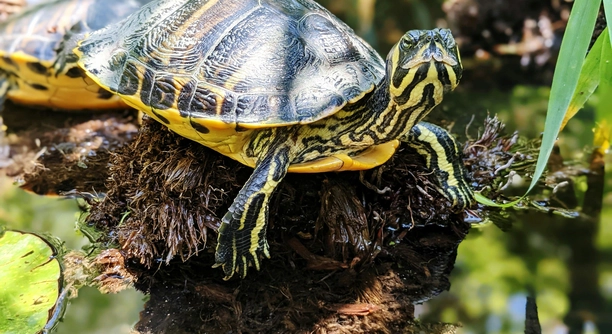
Yellow-bellied sliders are popular aquatic turtles known for their colorful appearance and gentle nature. Like other pets, they can experience stress, which may affect their well-being. Finding ways to reduce this stress is essential for their health.
To reduce stress in yellow-bellied sliders, provide them with a calm, clean environment, regular access to water, proper temperature control, and a balanced diet. Minimize loud noises, overcrowding, and sudden changes to their habitat to help them feel secure.
By following these tips, you can ensure your yellow-bellied slider stays relaxed and happy. Discover simple yet effective ways to improve their quality of life and reduce stress for your beloved turtle.
Create a Calm and Clean Environment
Your turtle’s living space should feel safe and secure. Yellow-bellied sliders can get stressed in environments that are too loud, cluttered, or unsanitary. A clean tank with fresh water helps prevent unnecessary stress. Regularly clean the tank, removing uneaten food, waste, and algae buildup. This helps reduce the risk of infections and keeps the turtle comfortable. Avoid placing the tank in high-traffic areas where they can be disturbed by loud noises or sudden movements. The environment should be peaceful and stable, allowing your turtle to feel at ease.
Keeping the tank clean and quiet helps maintain your turtle’s peace of mind.
A proper habitat includes a basking area with the correct temperature and UV light to ensure your turtle’s health. Make sure your slider has room to swim and climb without feeling crowded. Providing these elements makes a significant difference in reducing stress and promoting overall happiness.
Maintain Ideal Water and Tank Conditions
The water temperature plays a big role in your turtle’s stress levels. Yellow-bellied sliders thrive in water between 75°F and 80°F. If the water is too hot or too cold, it can lead to health problems and stress. Invest in a reliable water heater to maintain a steady temperature. The tank should also be large enough for your turtle to swim and explore. A cramped space can feel suffocating, adding to their stress.
In addition to temperature, water quality is crucial. Dirty water can cause skin and shell infections, making your turtle feel unwell and anxious. Regular water changes and a good filtration system are essential for maintaining a healthy tank. Avoid using harsh chemicals when cleaning the tank, as they can harm your turtle.
Provide a Balanced Diet
Feeding your yellow-bellied slider a variety of foods ensures they get the nutrients they need. A balanced diet helps prevent stress caused by malnutrition. Offer a mix of leafy greens, aquatic plants, and high-quality pellets designed for turtles. Fresh fruits can also be given occasionally as treats. Ensure that the food is cut into appropriate sizes to avoid choking or difficulty eating. Make sure to feed your turtle enough, but avoid overfeeding as it can lead to obesity and health issues.
A good diet keeps your turtle’s immune system strong and stress levels low.
Regular feeding schedules also help your turtle feel more secure. Having a consistent routine for meals can reduce anxiety. It’s important to observe their eating habits and adjust portions as necessary, ensuring they remain healthy. Avoid feeding them in a space that’s too small or crowded, as it can add stress to an otherwise enjoyable experience.
Control Lighting and Temperature
Lighting plays a crucial role in regulating your turtle’s behavior and mood. Provide both UVB light and a heat lamp to create a proper basking area. UVB light helps your slider absorb calcium and maintain a healthy shell. The heat lamp should keep the basking area warm, with temperatures between 85°F and 90°F. These conditions help your turtle regulate its body temperature, reducing stress related to thermal discomfort. Without proper lighting, your turtle can become lethargic and even depressed.
A well-lit environment mimics the natural conditions that yellow-bellied sliders thrive in.
It’s essential to ensure that the basking area is separate from the swimming area to avoid stress. Too much exposure to the heat lamp can lead to overheating, while too little light can result in malnutrition and poor shell health. Adjust the positioning of the lights to provide optimal conditions without overwhelming your turtle. Consistent lighting and temperature levels are key to creating a stress-free habitat.
Minimize Loud Noises and Sudden Movements
Yellow-bellied sliders are sensitive to loud noises and quick movements, which can stress them out. Place their tank in a quiet area where they aren’t disturbed by everyday noise. Sudden actions, like tapping on the glass, can cause anxiety. Ensure everyone in the household knows how to approach the turtle calmly.
Create a peaceful environment by avoiding sudden noises or disruptions near their tank.
Excessive noise can cause your turtle to hide, become skittish, or refuse to eat. If your home has pets like dogs or cats, make sure their activities don’t startle or threaten your turtle. The quieter the surroundings, the more comfortable your turtle will feel.
Avoid Overcrowding the Tank
Overcrowding the tank can make your yellow-bellied slider feel stressed and territorial. Ensure there is enough space for each turtle to swim and bask comfortably. If you have multiple turtles, keep an eye on their interactions. Too many turtles in one space can lead to aggression, stress, and injuries.
Having enough space lets each turtle thrive without stress.
Turtles need personal space to feel safe. If you notice aggressive behavior or signs of stress, it may be time to separate them. Giving each slider ample space helps them feel secure, reducing stress caused by competition for territory. Maintaining an appropriate number of turtles is key.
FAQ
What are the signs of stress in yellow-bellied sliders?
Yellow-bellied sliders show signs of stress through changes in behavior, such as reduced activity, lack of appetite, or hiding more than usual. You may also notice changes in their shell, such as discoloration or soft spots. Aggressive behavior, like biting or chasing other tank mates, can also be a sign of stress. If your turtle becomes more lethargic or starts swimming erratically, it could be feeling anxious or uncomfortable. Keeping an eye on these changes is essential for identifying stress early and making adjustments to its environment.
How often should I clean my yellow-bellied slider’s tank?
Cleaning your turtle’s tank should be done regularly, ideally once a week. Removing waste, leftover food, and algae prevents unhealthy conditions that can lead to stress and illness. The water should be changed partially once a week, and the tank should be fully cleaned once a month. Make sure to replace the filter regularly and check the water quality frequently. A clean tank keeps your turtle’s environment healthy and comfortable, which helps prevent stress. The more you stay on top of the cleaning, the less likely your turtle will feel stressed from poor water conditions.
Can yellow-bellied sliders live with other turtles?
Yes, yellow-bellied sliders can live with other turtles, but it’s essential to monitor their interactions. If there are too many turtles in the tank or if they don’t get along, this can create stress. Overcrowding can lead to aggression, which results in injuries or excessive hiding. It’s important to make sure that each turtle has enough space to swim, bask, and explore. If you notice fighting, it may be best to separate them to reduce stress. Keeping different species of turtles together may also be risky, as some species can be more aggressive than others.
What temperature should the water be for my yellow-bellied slider?
Yellow-bellied sliders need water between 75°F and 80°F (24°C and 27°C) to thrive. If the water temperature is too high or too low, it can lead to stress and health problems. You should use a reliable water heater to maintain this temperature. A thermometer placed in the water can help ensure accuracy. Along with water temperature, make sure your turtle’s basking area stays between 85°F and 90°F (29°C to 32°C). These proper temperature ranges will help your turtle feel comfortable and reduce stress related to environmental changes.
How can I make my turtle’s habitat more comfortable?
To make your turtle’s habitat comfortable, you need to create a space that mimics its natural environment. Provide a basking area where your turtle can dry off and get UV light. Ensure there’s enough room for swimming, and include plants or decorations that offer hiding spots. The tank should be large enough for your turtle to move around freely. Use a quality filter to keep the water clean and clear. It’s also essential to keep the water temperature and lighting consistent. A comfortable environment leads to a happy, less-stressed turtle.
Can I feed my turtle too much?
Yes, overfeeding your yellow-bellied slider can cause stress and health problems, including obesity. A well-balanced diet is essential for keeping your turtle healthy and stress-free. Feed your turtle the right portion size according to its age, size, and activity level. Young turtles may need to eat more frequently, while adults typically only need to be fed every other day. Be mindful of how much food you offer and avoid leaving uneaten food in the tank. Overfeeding can also cause water pollution, which contributes to tank stress.
Why is my turtle hiding all the time?
Hiding is a common sign of stress in yellow-bellied sliders. Your turtle may feel threatened or uncomfortable due to environmental factors such as excessive noise, improper tank conditions, or lack of space. If the tank is too small, overcrowded, or too noisy, your turtle may retreat to a hiding spot to escape. Ensure that your turtle’s environment is calm, clean, and well-lit. Proper temperature control and sufficient space will help your turtle feel secure and less inclined to hide. If hiding persists, check the water quality, temperature, and lighting to rule out stressors.
Is it normal for my turtle to bask all day?
Turtles bask for essential health reasons, including regulating their body temperature and absorbing UV light. However, if your yellow-bellied slider is basking excessively, it may be a sign of stress, overheating, or illness. Turtles will naturally spend time basking, but if they are spending the majority of their time on land, check the temperature and lighting in their tank. Ensure they are getting the right conditions for both basking and swimming. If your turtle continues to bask excessively despite proper conditions, it may be worth consulting a vet.
How do I prevent my turtle from becoming aggressive?
Aggressive behavior in yellow-bellied sliders can be caused by overcrowding, improper tank conditions, or stress. Ensure that each turtle has enough space to avoid territorial disputes. If there are multiple turtles, make sure they each have their own basking spot. In addition, stressors such as high noise levels or poor water quality can increase aggression. If aggression persists, separating the turtles may be necessary. Providing a calm, spacious environment is the key to preventing aggression and maintaining peaceful cohabitation.
When caring for yellow-bellied sliders, creating a stress-free environment is crucial for their well-being. These turtles, like any pet, thrive in spaces that are clean, calm, and appropriately equipped. A consistent routine of tank cleaning, temperature maintenance, and regular feeding helps ensure that your turtle feels secure and happy. It’s important to remember that small changes in their environment can have a big impact on their stress levels, so pay attention to how they react to adjustments you make. The more you understand their needs and preferences, the better care you can provide.
Monitoring your turtle’s behavior is key to detecting stress early. Common signs such as hiding, lack of appetite, or aggression are often a result of uncomfortable living conditions. It’s helpful to keep a close eye on your slider’s interactions with their tank mates and surroundings. If you notice any signs of stress, try adjusting their habitat before jumping to conclusions. Sometimes a small change, such as moving their tank to a quieter area or altering the water temperature, can make a significant difference. By staying proactive and adjusting their environment, you can reduce their stress levels and improve their overall quality of life.
Overall, reducing stress in yellow-bellied sliders comes down to understanding their natural needs and making sure those needs are met. They need a space that mimics their natural habitat, with the right temperature, lighting, and water conditions. A balanced diet and a peaceful environment are just as important in keeping your turtle healthy. When you focus on these basics, your yellow-bellied slider is more likely to thrive, live comfortably, and feel at ease in their home. Stress management for turtles isn’t difficult, but it does require consistent care and attention to detail.

Hello,
If you enjoy the content that we create, please consider saying a "Thank You!" by leaving a tip.
Every little bit helps us continue crafting quality advice that supports the health, happiness, and well-being of pets around the world, for pets of all shapes, sizes, and species.
We really appreciate the kindness and support that you show us!