
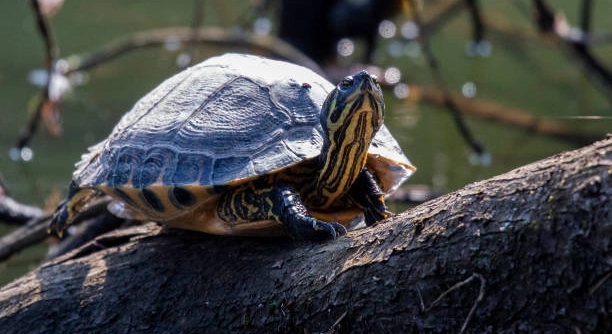
Yellow-bellied sliders are popular pets, often found swimming in homes with ponds or aquariums. As a pet owner, understanding what food options are safe for them is essential to maintaining their health and happiness.
Yellow-bellied sliders can eat celery in moderation, but it should not be a primary food source. Celery provides some nutritional value but lacks the essential vitamins and minerals necessary for their overall health.
Understanding what types of foods are beneficial for your slider helps ensure they stay healthy and thrive.
Nutritional Benefits of Celery for Yellow-Bellied Sliders
Celery offers some nutrients that are beneficial to your yellow-bellied slider, such as fiber and water content. These can contribute to digestion and hydration, which are important for overall health. It’s low in fat and calories, making it a suitable snack in small amounts. However, celery lacks some of the essential vitamins and minerals that turtles need for proper growth and development, such as calcium and vitamin A. While it can add variety to their diet, it should not replace more nutrient-rich foods. Offering celery in moderation as a treat is a safe choice, but be mindful of its limited nutritional profile.
Celery is a low-calorie vegetable that can provide fiber and hydration, but it doesn’t supply key nutrients. It can be fed occasionally, as long as it doesn’t take over their regular diet.
To keep your turtle healthy, variety is key. While celery might be a fun snack for them, their main diet should focus on foods rich in calcium, protein, and vitamins. Leafy greens like kale, dandelion greens, and collard greens are much more nutrient-dense options. These foods help with proper shell growth, strong bones, and overall vitality. Also, offering protein-rich foods like insects, small fish, or commercial turtle food will ensure your turtle gets all the necessary nutrients it needs to thrive. While celery is a tasty and crunchy treat, always be cautious not to make it a staple in their diet, as it lacks the core nutrients they require for a long and healthy life.
How Often Can Yellow-Bellied Sliders Eat Celery?
Celery can be given to yellow-bellied sliders as an occasional treat. Feeding it once or twice a week is recommended, but only in small quantities.
You should avoid making celery a frequent part of their meals. This is because it lacks the essential nutrients that are necessary for their long-term health.
Other Vegetables for Yellow-Bellied Sliders
Besides celery, yellow-bellied sliders can enjoy a variety of vegetables. Kale, dandelion greens, and collard greens are nutrient-dense and ideal for a balanced diet. These vegetables provide essential vitamins and minerals like calcium and vitamin A, which are crucial for bone health and shell development.
Vegetables such as bell peppers, zucchini, and carrots can also be offered. These provide extra vitamins and a range of textures that your slider may enjoy. Always make sure to wash the vegetables thoroughly before offering them, and avoid feeding your slider too much of any one type of vegetable. Moderation is important for variety and balance.
Avoid giving your slider iceberg lettuce or any vegetables that are high in water but low in nutrients. These won’t offer much benefit and can even cause digestive issues. Remember, balance is key, and mixing different types of veggies will ensure your slider gets the nutrition they need. It’s best to provide a variety of foods to keep their meals interesting and healthy.
Hydration for Yellow-Bellied Sliders
A steady water source is vital for yellow-bellied sliders. While they are aquatic animals, it’s important to monitor their hydration levels, especially if they are eating dry foods. Freshwater should always be available for them to drink and swim in.
If your slider isn’t swimming much or seems lethargic, dehydration might be the cause. Dehydration can also lead to issues like shell deformities and problems with digestion. To prevent this, ensure that your turtle’s habitat has clean, filtered water. If needed, adding a shallow water bowl for easy drinking access can also help encourage proper hydration.
Risks of Feeding Too Much Celery
Feeding your yellow-bellied slider too much celery can cause digestive issues. Its high water content can lead to loose stools or diarrhea if given in large quantities. It also doesn’t provide the necessary nutrients for proper growth.
While celery isn’t toxic, it’s not ideal for regular feeding. Too much fiber without enough nutrients can lead to an imbalanced diet, making your turtle weak or sick. Stick to small portions and offer more nutritious foods instead. Keep an eye on their overall health to ensure they’re not suffering from any diet-related problems.
Protein in a Yellow-Bellied Slider’s Diet
Protein is a crucial part of a yellow-bellied slider’s diet. They need it for growth, energy, and overall health. In the wild, they would naturally eat insects, fish, and small aquatic animals that provide the protein necessary for their well-being.
You can provide protein through foods like mealworms, crickets, and fish. Commercial turtle pellets that contain protein can also be an easy and reliable option. Avoid overfeeding protein, as too much can lead to kidney problems or obesity. A balance of protein and plant matter is key to keeping your slider healthy.
Benefits of a Balanced Diet
A balanced diet ensures your yellow-bellied slider has everything they need for proper growth and health. Without it, your turtle could develop bone deformities, weakened immunity, or even organ failure. Feeding them a variety of appropriate foods will help maintain their energy levels and strong shell.
FAQ
Can Yellow-Bellied Sliders Eat Fruit?
Yes, yellow-bellied sliders can eat fruit, but it should be given in moderation. Fruits like strawberries, apples, and watermelon can be a good treat. However, too much fruit can lead to an imbalance in their diet because fruits are high in sugar and lack the essential nutrients like calcium that turtles need. Feeding them fruit once a week is a good way to treat them without causing harm.
Make sure to remove any seeds or pits from the fruit, as these can pose a choking hazard. Always cut the fruit into small, manageable pieces. Fruit should never be the primary part of their diet. It should always be offered alongside other nutrient-rich foods like leafy greens and protein sources.
Is Lettuce Good for Yellow-Bellied Sliders?
Lettuce can be fed to yellow-bellied sliders, but it’s important to know that not all types of lettuce are beneficial. Romaine lettuce is a better option than iceberg lettuce, as it contains more nutrients. However, lettuce should still only be given as an occasional treat.
Iceberg lettuce has very little nutritional value and can actually cause digestive issues, leading to softer stool. If you feed lettuce, it should only be a small part of their overall diet. Focus on providing more nutritious leafy greens like dandelion greens, kale, or collard greens to ensure your slider stays healthy.
Can Yellow-Bellied Sliders Eat Mealworms?
Yes, yellow-bellied sliders can eat mealworms. Mealworms are a great source of protein and are often used in feeding turtles, especially as a supplement to their diet. They provide essential nutrients like fat and protein for growth and energy.
However, mealworms should be fed sparingly because they are high in fat. Overfeeding mealworms can lead to obesity or digestive problems. It’s important to offer a variety of protein sources like crickets, fish, and other insects to maintain a balanced diet for your slider. Always offer mealworms in small portions to avoid overfeeding.
How Often Should I Feed My Yellow-Bellied Slider?
You should feed your yellow-bellied slider daily when they are young. As they grow older, you can reduce the feeding frequency to every other day. Juvenile sliders need more food for their rapid growth, while adult sliders are less active and need fewer calories.
Each feeding should include a variety of foods. If your slider is not eating, check their environment for factors that could be causing stress, such as water temperature or tank cleanliness. Make sure that the food offered is appropriate and fresh. It’s also important to monitor their weight and adjust feeding habits if necessary.
Can Yellow-Bellied Sliders Eat Worms?
Yes, yellow-bellied sliders can eat worms. Earthworms, red wigglers, and other types of worms are a great addition to their diet as they are high in protein. Turtles in the wild naturally consume worms, making them a good, natural food source.
However, worms should be offered in moderation, as they are high in fat. You can also offer other types of live prey, such as crickets, snails, and small fish, to ensure your slider gets a balanced diet. Avoid feeding them worms that have been exposed to pesticides or chemicals, as these could harm them.
Can Yellow-Bellied Sliders Eat Fish?
Yes, yellow-bellied sliders can eat fish. In fact, fish is a natural part of their diet in the wild. They are opportunistic feeders and will hunt small fish, making them an excellent source of protein. You can offer them feeder fish such as goldfish or minnows.
However, make sure to only feed fish occasionally as part of a balanced diet. If you feed feeder fish, avoid those that have been bred in poor conditions or treated with chemicals. It’s best to use fish that are free of parasites and toxins. Don’t rely on fish as their main food source, but rather use it as a treat or supplement.
What Vegetables Should I Avoid Feeding My Yellow-Bellied Slider?
Some vegetables should be avoided when feeding your yellow-bellied slider. Vegetables like spinach, beet greens, and swiss chard contain oxalates, which can bind to calcium and prevent proper absorption. This could lead to calcium deficiencies, affecting bone and shell health.
Avoid feeding them high-water-content vegetables like iceberg lettuce, as these offer little nutritional value. Always research the specific vegetable before feeding it to your slider. If you are unsure, stick with nutrient-dense greens like kale, dandelion greens, and collard greens for the best results.
What Is the Best Way to Feed Yellow-Bellied Sliders?
The best way to feed your yellow-bellied slider is by offering a variety of foods in a balanced manner. A good diet includes a mix of leafy greens, vegetables, protein, and occasional fruits or treats. Try to replicate their natural diet as much as possible to maintain their health.
Offer fresh food every day and make sure to remove any uneaten food from the tank to prevent contamination. Always ensure that the water temperature is appropriate and that your slider has access to both land and water for their natural behaviors. Using a feeding dish can help keep the food clean and contained.
Final Thoughts
Feeding your yellow-bellied slider requires careful thought and balance. While celery can be a fun treat, it should not become a regular part of their diet. It’s important to understand that while celery offers hydration and fiber, it doesn’t provide the essential vitamins and minerals your turtle needs for healthy growth. A variety of vegetables, leafy greens, and protein sources like fish and insects should make up the bulk of their meals. By diversifying their food intake, you can help ensure they receive all the nutrients necessary for their long-term health.
Beyond celery, there are plenty of other safe foods that can be included in a yellow-bellied slider’s diet. Leafy greens like kale, dandelion greens, and collard greens are rich in nutrients, especially calcium and vitamins that promote strong bones and shells. Protein sources like mealworms, crickets, and small fish are also key to your turtle’s growth and energy needs. A balanced diet includes both plant-based and animal-based foods to provide a wide range of nutrients. It’s essential to feed them in appropriate portions to avoid overfeeding and weight gain. Regularly rotating different types of food will help keep your turtle engaged and healthy.
Finally, always remember that a healthy diet is just one part of keeping your yellow-bellied slider in good condition. Their habitat, water quality, and overall care play a significant role in their well-being. Make sure their environment is clean, their water is properly filtered, and they have access to both land and water areas for basking and swimming. If you’re ever unsure about what to feed your slider or if they show signs of illness, consulting a vet or reptile specialist is always a good idea. By paying attention to both their diet and overall care, your yellow-bellied slider will stay healthy and thrive for many years.

Hello,
If you enjoy the content that we create, please consider saying a "Thank You!" by leaving a tip.
Every little bit helps us continue crafting quality advice that supports the health, happiness, and well-being of pets around the world, for pets of all shapes, sizes, and species.
We really appreciate the kindness and support that you show us!