
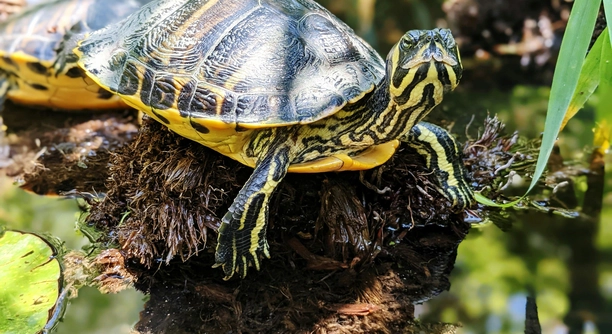
Yellow-bellied sliders are popular pet turtles known for their playful nature and beautiful shells. However, sometimes owners notice cloudy eyes in their turtles, which can be concerning. This article explores why this might happen and what you can do.
Cloudy eyes in yellow-bellied sliders often result from poor water quality, infection, or other health issues. It is essential to address these concerns promptly to prevent further complications. Regular cleaning, proper diet, and vet visits are crucial for eye health.
Proper care and attention to your turtle’s environment and diet can improve their eye health and overall well-being. Knowing how to identify and address common issues like cloudy eyes can help you maintain your pet’s quality of life.
Common Causes of Cloudy Eyes in Yellow-Bellied Sliders
Cloudy eyes in yellow-bellied sliders can happen for a number of reasons. It’s important to identify the cause quickly to prevent further damage. A common issue is poor water quality. Turtles rely on clean water to stay healthy, and bacteria can cause infections or irritation. If your turtle’s tank isn’t cleaned regularly, bacteria can build up and affect their eyes. Another possible reason is inadequate lighting. UVB lighting is essential for a turtle’s health, and without it, their immune system can weaken, making them more susceptible to infections. Additionally, injuries or trauma to the eyes can cause cloudiness, particularly if the turtle has been fighting with other pets or objects in its tank. Another factor could be a vitamin A deficiency, as turtles need this vitamin for proper eye health. It’s crucial to regularly check their diet to ensure they’re getting the right nutrients.
Sometimes the cause is more straightforward. If your turtle has been exposed to an injury or infection, a visit to the vet is necessary to clear up the issue.
Proper water conditions and diet are key factors in preventing eye problems. Keeping the tank clean, offering a balanced diet, and providing UVB light can go a long way toward maintaining your turtle’s eye health. If you notice the problem persists, getting professional advice is a good idea.
How to Treat Cloudy Eyes in Your Turtle
When you notice cloudy eyes in your yellow-bellied slider, there are several steps to take to treat the issue. Start by checking the water quality in the tank. It should be clean, free of harmful bacteria, and have the right pH balance. Regular water changes are crucial for maintaining a healthy environment. If you haven’t already, invest in a good filtration system to keep the water clean. Next, check the temperature of the water. Turtles thrive in temperatures between 75°F to 85°F (24°C to 29°C). Ensure the water is not too cold, as this can cause stress and weaken their immune system.
You should also provide UVB lighting in their enclosure. This light is essential for the turtle’s overall health, helping with calcium absorption and preventing diseases like metabolic bone disease, which can impact the eyes. If the turtle has a vitamin A deficiency, adding more leafy greens like kale, dandelion greens, and carrots to their diet will help improve eye health. These foods are rich in the necessary vitamins to support their immune system.
A vet visit may be needed for infections. The vet will assess your turtle’s health and may prescribe antibiotics or other treatments to address the underlying issue. If the cloudiness is due to an injury, they can help with proper treatment to ensure healing.
How to Prevent Cloudy Eyes in the Future
The best way to prevent cloudy eyes in your turtle is by maintaining a clean environment. Regularly change the water, keep the tank filtered, and ensure the proper lighting. A well-balanced diet, rich in nutrients, can also help prevent eye problems from occurring.
Make sure to provide UVB lighting that mimics natural sunlight. This lighting helps in calcium absorption and supports the immune system, which is vital for eye health. Check the water temperature regularly and ensure it’s within the right range for your turtle’s comfort. Poor water conditions are a leading cause of eye infections.
Vitamin A is an essential nutrient for eye health. Offer foods like carrots, kale, and dandelion greens. These vegetables provide the necessary vitamins that will help keep your turtle’s eyes clear and healthy. Avoid overfeeding them, though, as it can lead to other health issues.
When to Seek Veterinary Help
If your turtle’s cloudy eyes persist after improving the tank conditions and diet, it’s time to see a vet. A professional will be able to determine if there is an underlying infection or other serious health issue. Infections can sometimes be difficult to detect on your own, but a vet will have the tools and expertise to diagnose and treat it. Early intervention is crucial to prevent long-term damage to your turtle’s eyes.
Veterinarians may recommend eye drops or antibiotics to clear up any infection that’s causing the cloudiness. In some cases, surgery may be required if the cloudiness is a result of a deeper issue. While this is rare, it’s always best to get expert advice when the situation isn’t improving. Never ignore persistent symptoms; proper care from a vet can make a big difference in your turtle’s recovery.
The Importance of Tank Maintenance
Keeping your turtle’s tank clean is key to avoiding cloudy eyes. Clean the water regularly to prevent the buildup of bacteria that can irritate their eyes. A good filtration system helps maintain a healthy tank environment and reduces the chances of infections.
In addition to water changes, scrub the tank walls and decorations often to remove algae. Check the water temperature and pH levels to ensure they’re optimal for your turtle. Keeping the tank properly maintained will reduce stress on your turtle and help prevent health issues, including eye problems.
Feeding Your Turtle for Healthy Eyes
A well-balanced diet is essential for keeping your turtle’s eyes healthy. Provide a variety of leafy greens, vegetables, and protein-rich foods to ensure they get all the nutrients they need. Carrots, kale, and dandelion greens are particularly helpful for supporting eye health due to their high vitamin A content.
Avoid feeding your turtle too many high-fat foods, as this can lead to obesity and other health problems. Offer them a mix of fresh vegetables, fruits, and occasional live food like worms or fish to keep their diet balanced. Regularly adjust the portions based on your turtle’s size and activity level.
The Role of UVB Lighting
UVB lighting plays a crucial role in maintaining your turtle’s overall health, including their eyes. Without proper UVB exposure, turtles can develop metabolic bone disease and other health complications. It’s essential to use a UVB light designed for reptiles to ensure it mimics natural sunlight.
Check the UVB bulb’s effectiveness regularly, as the intensity decreases over time. Replace the bulb every six to twelve months, even if it still lights up. Proper UVB lighting will help strengthen your turtle’s immune system, improve their calcium absorption, and support their eye health.
FAQ
Why does my yellow-bellied slider have cloudy eyes?
Cloudy eyes in a yellow-bellied slider are usually a sign of a health issue, commonly due to poor water quality, infections, or a lack of essential nutrients like vitamin A. Infections can cause swelling and cloudiness, while dirty tank water can harbor bacteria that irritate the eyes. Sometimes, cloudy eyes may result from trauma or injuries. Ensure your turtle’s habitat is clean, with proper water conditions and UVB lighting to prevent such problems. If the cloudiness persists, a visit to the vet is recommended to rule out infections or more serious health issues.
Can cloudy eyes in turtles go away on their own?
In some cases, cloudy eyes may improve on their own, especially if the issue is related to temporary stress or mild irritation from water quality. However, it’s important to address the root cause of the problem. If the cloudiness is due to an infection or vitamin deficiency, it likely won’t resolve without intervention. Improving water quality, offering proper nutrition, and ensuring the turtle has access to UVB lighting can help. If the cloudiness continues for an extended period, or if other symptoms appear, it’s crucial to seek veterinary help.
What can I do to treat cloudy eyes in my turtle?
Start by ensuring your turtle’s tank is clean. Perform regular water changes, use a filtration system, and keep the water temperature stable. If the water quality is poor, bacteria can cause eye infections. Provide a balanced diet with vitamin A-rich foods like kale, carrots, and dandelion greens to support eye health. If the cloudiness persists, consult a vet for possible treatments such as antibiotics or eye drops. In some cases, vitamin supplements might be necessary if your turtle is lacking in essential nutrients.
How often should I clean my turtle’s tank to avoid eye problems?
Regular tank cleaning is crucial for your turtle’s overall health. It’s recommended to clean the tank and change the water at least once a week, depending on the size of the tank and number of turtles. Be sure to remove any leftover food, waste, and debris. The filter should also be checked regularly and replaced when needed. This routine helps maintain water quality and reduces the risk of bacteria buildup, which can lead to cloudy eyes and other health issues.
Can poor diet cause cloudy eyes in turtles?
Yes, a poor diet can contribute to cloudy eyes in turtles. A lack of vitamin A, which is found in leafy greens like kale and vegetables like carrots, can cause eye health issues. A diet rich in protein and vitamins is important for maintaining healthy eyes and preventing infections. Feeding your turtle a variety of foods, including vegetables, fruits, and occasional live food, ensures they get the right nutrients. Avoid feeding them excessive high-fat or high-protein foods, as these can lead to other health problems.
How long does it take for cloudy eyes to clear up in turtles?
The time it takes for cloudy eyes to clear up depends on the underlying cause. If the cloudiness is caused by poor water quality, it may improve after a few days of water changes and better tank maintenance. If the issue is an infection or vitamin deficiency, treatment may take longer—often one to two weeks—depending on how quickly the turtle responds to medication or changes in diet. If no improvement is seen within this time frame, consult a vet for further guidance.
Can cloudy eyes be a sign of a more serious problem?
Yes, cloudy eyes can indicate more serious issues such as infections, eye injuries, or systemic health problems. Infections can cause swelling, discharge, and cloudiness, while injuries may lead to more severe damage if not treated promptly. Conditions like vitamin deficiencies, dehydration, or metabolic bone disease can also affect eye health. It’s important to monitor your turtle for any other signs of illness and seek veterinary help if the cloudiness persists or worsens.
Is UVB lighting really necessary for preventing eye issues?
Yes, UVB lighting is essential for your turtle’s overall health, including eye health. UVB light helps turtles absorb calcium, strengthens their immune system, and prevents diseases like metabolic bone disease, which can lead to eye issues. Without proper UVB exposure, turtles may develop weakened immune systems, making them more susceptible to infections that affect their eyes. Ensure your turtle’s tank has a proper UVB light source and that it’s replaced regularly, as the intensity of UVB bulbs decreases over time.
What other symptoms should I look out for if my turtle has cloudy eyes?
If your turtle has cloudy eyes, pay attention to other signs that may indicate a more serious problem. These include lethargy, loss of appetite, difficulty swimming, or discharge from the eyes. Swelling around the eyes, changes in behavior, or irregular breathing can also signal a health issue. If you notice any of these symptoms, it’s important to consult a vet for a proper diagnosis and treatment. Cloudy eyes combined with other health problems could indicate an infection or underlying disease that needs prompt attention.
Can vitamin A deficiency cause long-term damage to a turtle’s eyes?
Yes, a vitamin A deficiency can lead to long-term damage to your turtle’s eyes if left untreated. This vitamin is vital for maintaining eye health, and a lack of it can cause problems like cloudy eyes, swelling, or even blindness in severe cases. If you suspect a deficiency, you should immediately adjust your turtle’s diet to include more vitamin A-rich foods. If the condition persists, a vet may recommend vitamin supplements to correct the deficiency and prevent further damage. Early intervention is key to preventing lasting harm.
Final Thoughts
Cloudy eyes in your yellow-bellied slider can be concerning, but with the right approach, most issues can be addressed. The key is to act quickly and ensure your turtle has a clean, healthy environment. Start by maintaining proper water quality and using a reliable filtration system. Regular water changes and tank cleanings go a long way in preventing the buildup of bacteria that can cause eye infections. Keeping the water temperature and pH levels within the recommended range will also support your turtle’s overall health.
A well-balanced diet is just as important. Make sure your turtle receives plenty of vitamin A-rich foods like kale, carrots, and dandelion greens to support their eye health. A lack of this nutrient can lead to cloudy eyes and other problems. You should also provide a variety of food options to ensure your turtle is getting the proper nutrients. However, be mindful of overfeeding or feeding high-fat foods that could lead to obesity and other health issues. A healthy, balanced diet will help prevent many common health problems and support your turtle’s immune system.
If you notice that the cloudy eyes persist even after improving their living conditions and diet, it’s time to consult a veterinarian. Professional advice is important, especially if the problem doesn’t improve or if other symptoms appear. A vet can diagnose underlying health issues, provide treatment, and guide you on the best course of action. By staying proactive and vigilant, you can help ensure your yellow-bellied slider stays healthy and happy for years to come.

Hello,
If you enjoy the content that we create, please consider saying a "Thank You!" by leaving a tip.
Every little bit helps us continue crafting quality advice that supports the health, happiness, and well-being of pets around the world, for pets of all shapes, sizes, and species.
We really appreciate the kindness and support that you show us!