
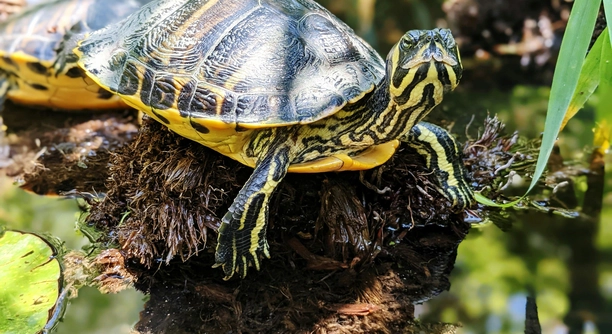
Training your yellow-bellied slider to feed by hand can create a strong bond between you and your pet. With patience and consistency, it is possible to make your turtle feel more comfortable during feeding time.
To train your yellow-bellied slider to feed by hand, start by offering food near its preferred feeding spot. Gradually move your hand closer while ensuring a calm environment. Repeating this process builds trust and helps the turtle associate your hand with food.
This simple process will improve your interaction with your turtle and enhance feeding times.
The Right Environment for Hand Feeding
Creating the right environment is key to training your yellow-bellied slider to feed by hand. The first step is ensuring the tank is well-maintained and the water temperature is appropriate for the species. A calm and stress-free setting makes it easier for your turtle to focus on feeding. If there are any disturbances around its habitat, the slider may become distracted or scared, making it harder to engage during feeding sessions. Over time, your turtle will begin to associate a calm environment with the positive experience of hand feeding.
Once the tank is in order, it’s important to establish a consistent feeding schedule. Turtles thrive on routine, and by feeding them at the same time each day, you help them recognize when to expect food. This reduces the chances of them feeling anxious or unsure about hand feeding. It’s also useful to approach them slowly, avoiding sudden movements that might startle them.
This environment will not only support the training process but also help your turtle become comfortable with the idea of you providing food.
Choosing the Right Food for Hand Feeding
Choosing the right food is essential to make hand feeding successful. The food should be appealing to your turtle and easy for them to take from your hand. Start with soft, bite-sized pieces of food that your turtle can easily grab, such as lettuce or shrimp. This makes the process less intimidating and more enjoyable for them.
Introduce new foods gradually and always monitor their reactions. If they show interest, continue offering that food. If not, switch to something more familiar. The goal is to make hand feeding an enjoyable and rewarding experience for your yellow-bellied slider.
Consistency in Hand Feeding
Consistency is important when training your yellow-bellied slider. Feed at the same time every day, in the same spot, to help your turtle form a routine. By doing this, your turtle will start to expect food from you, making the process easier.
It’s essential to be patient. Over time, your slider will become more comfortable with the routine and hand feeding. Avoid rushing or forcing the turtle to eat from your hand. Allow your turtle to make the choice and approach you when ready. This will ensure that the process remains positive and stress-free for your pet.
Patience and repetition are the keys to success in this process. After a while, your turtle will recognize your hand as a reliable source of food and will begin approaching it without hesitation. The trust built through consistency will strengthen the bond between you and your slider.
Positive Reinforcement
Positive reinforcement plays a vital role in the training process. When your turtle feeds from your hand, reward them with a small treat or praise. This helps your turtle understand that eating from your hand is a good thing.
As you continue to reward your turtle, the behavior will strengthen. It’s important to be consistent with this reinforcement. Every time your turtle takes food from your hand, make sure to acknowledge it positively. This will encourage them to repeat the action in the future. The rewards don’t have to be large, but they should be immediate, so your slider connects the action with the reward.
By keeping the process positive and rewarding, your turtle will become more confident in hand feeding. This will make future training sessions smoother and more successful.
Avoiding Overfeeding
Overfeeding can quickly lead to an unhealthy turtle. Stick to proper portion sizes, based on your slider’s size and age. Offering too much food may also cause your turtle to lose interest in hand feeding.
By offering appropriate portions, you ensure your turtle stays healthy. Overfeeding can also disrupt the training process if the turtle becomes full too quickly. Keep track of how much food you’re giving to make sure you’re not overwhelming your slider. Offering food in small amounts, over several feeding sessions, helps them stay engaged and receptive.
A balanced feeding schedule that aligns with your turtle’s needs will help keep them healthy while supporting training.
Keeping Calm During Training
Keeping the environment calm is essential during hand feeding. Avoid any loud noises or sudden movements that could startle your turtle. This will help your slider stay focused on eating rather than feeling anxious.
A calm demeanor encourages your turtle to approach you and feel comfortable. Be mindful of your actions, as the training session could be disrupted by distractions. Slowly build up your turtle’s confidence, keeping the atmosphere peaceful and predictable.
FAQ
What should I do if my yellow-bellied slider refuses to feed by hand?
If your turtle refuses to feed by hand, don’t worry. It’s important to remain patient and consistent. Try offering food in a different position or with a new type of treat. Over time, your turtle will become more comfortable with your hand as a food source. Make sure the environment is calm and stress-free, as any distractions may cause hesitation. Gradually, your slider will begin associating your hand with a positive experience.
How long does it take for my turtle to start feeding by hand?
The time it takes for a yellow-bellied slider to feed by hand varies. Some turtles may take just a few days, while others may require a couple of weeks. Consistency is key during this process. If you stick to the routine, your turtle will eventually feel comfortable approaching your hand for food. Patience is crucial, as some turtles take longer to build trust and confidence.
Can I use any type of food to train my turtle?
Not all foods are suitable for hand feeding training. Choose food items that your turtle enjoys and can easily take from your hand, such as soft greens, small pieces of shrimp, or specially formulated turtle food. Avoid offering too many treats, as this can lead to an unbalanced diet. Sticking to a few favorite foods will help your slider associate your hand with positive rewards.
Is it safe to hand-feed my yellow-bellied slider?
Hand feeding is safe as long as proper hygiene practices are followed. Make sure to wash your hands before and after handling food to prevent contamination. Some turtles may bite out of curiosity or because they mistake your fingers for food, so be careful to avoid putting your fingers too close to their mouths. Hand feeding promotes bonding, but it’s essential to prioritize your safety and your turtle’s well-being.
Should I stop hand feeding if my turtle becomes aggressive?
If your yellow-bellied slider becomes aggressive during hand feeding, it’s a sign that it feels threatened or scared. Stop feeding by hand temporarily and give your turtle some space. Try again later, ensuring that the environment is calm and that you’re approaching slowly. Avoid forcing your turtle to feed from your hand. Once trust is re-established, you can resume hand feeding.
How often should I hand feed my yellow-bellied slider?
Hand feeding should be done in moderation. It’s best to feed your turtle a balanced diet, with hand feeding occurring during one or two meals per week. Overfeeding or excessive hand feeding could lead to unhealthy habits. The goal is to make hand feeding a positive experience without interfering with their regular feeding schedule.
Can I train my turtle to eat from my hand in its outdoor enclosure?
Yes, you can train your yellow-bellied slider to feed by hand in an outdoor enclosure. However, there are a few additional factors to consider. Make sure the outdoor environment is secure, safe, and calm. Minimize potential distractions or threats, such as other animals, which could prevent your turtle from focusing on hand feeding. The process remains the same, but outdoor environments may present added challenges.
What if my turtle refuses to approach me at all?
If your turtle is hesitant to approach you, try giving them time to adjust to your presence. Spend time near their habitat without directly interacting, so they can get used to you being around. Once they seem comfortable with your presence, begin offering food at a distance, gradually moving closer. Patience is crucial in these situations, as some turtles take longer to feel comfortable. If needed, try hand-feeding near their favorite spot to encourage engagement.
Can I train more than one turtle to feed by hand at the same time?
It’s possible to train multiple turtles to feed by hand, but it may require extra patience and attention. Each turtle may have different comfort levels with hand feeding. Begin by working with one turtle at a time to build trust. Once one turtle is comfortable, you can try to include the others, ensuring that each has a positive experience. Be mindful of each turtle’s behavior, as some may become more competitive or distracted when others are nearby.
What if my turtle starts to ignore food when I offer it by hand?
If your turtle starts ignoring food when offered by hand, it could be due to various reasons. Check the food quality to ensure it’s fresh and appealing. Also, consider if the environment is too busy or stressful, which may distract your turtle. If needed, take a break from hand feeding for a few days to allow your turtle to refocus. It’s important not to force the interaction, as this could make your turtle more anxious.
Final Thoughts
Training a yellow-bellied slider to feed by hand is a process that requires patience, consistency, and understanding of your turtle’s behavior. While it may take some time, the reward is a stronger bond with your pet and the ability to interact with them in a more personal way. The key to success lies in creating a calm, predictable environment that allows your turtle to feel safe and confident. Over time, your turtle will recognize your hand as a food source, and this can make feeding time a more enjoyable experience for both of you.
Consistency is the foundation of this training process. The more you stick to a regular feeding schedule, the quicker your turtle will learn to associate your hand with food. It’s important not to rush the process. If your turtle seems hesitant or refuses to feed by hand, give them space and try again later. Training should always be positive, with gentle encouragement and no force. By creating an environment that your turtle feels comfortable in, you ensure the training process stays stress-free for both of you.
While hand feeding is a great way to bond with your yellow-bellied slider, it’s important to remember that every turtle is different. Some may take to it quickly, while others need more time. If your turtle shows signs of stress or aggression, it may be best to take a step back and approach the situation differently. Always monitor your turtle’s health and behavior, and remember that a well-fed turtle is a healthy turtle. Training should never interfere with their overall well-being. With patience and consistency, hand feeding can become a rewarding and meaningful experience for both you and your slider.

Hello,
If you enjoy the content that we create, please consider saying a "Thank You!" by leaving a tip.
Every little bit helps us continue crafting quality advice that supports the health, happiness, and well-being of pets around the world, for pets of all shapes, sizes, and species.
We really appreciate the kindness and support that you show us!