
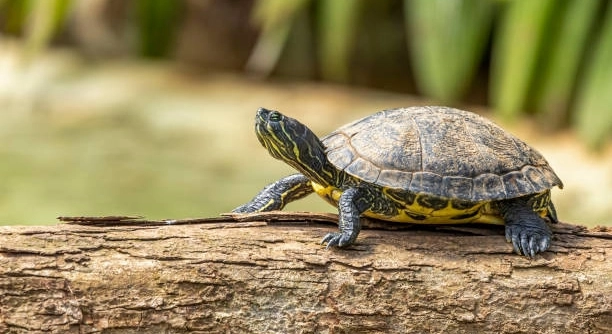
Yellow-Bellied Sliders are popular pet turtles, but like any pet, they can experience health issues. Shell softening is one of the conditions you might notice in your turtle. Early detection is crucial for effective treatment.
Shell softening in Yellow-Bellied Sliders is typically caused by poor nutrition, improper lighting, or insufficient calcium. Symptoms include abnormal shell texture, lethargy, and loss of appetite. Identifying these signs early can help prevent further complications.
Recognizing these symptoms is important for your turtle’s health. Understanding how to diagnose and address the issue will help improve your pet’s well-being.
Causes of Shell Softening in Yellow-Bellied Sliders
Shell softening in Yellow-Bellied Sliders can result from various factors. The most common causes include improper diet, lack of UVB lighting, and calcium deficiency. A poor diet, particularly one low in calcium or high in phosphorus, can directly affect the shell’s strength. Without sufficient UVB exposure, a turtle’s body cannot process calcium effectively, leading to softer shells. Additionally, poor water quality can exacerbate the problem by affecting the turtle’s overall health, making it more vulnerable to conditions like softening. Providing a balanced diet, appropriate lighting, and clean water can prevent these issues.
A turtle’s shell softening may also be linked to a lack of exercise. If the turtle is not allowed to move around in a spacious enclosure, its muscles weaken, leading to an overall decline in health.
Proper nutrition is essential. A diet rich in calcium and low in phosphorus supports shell strength. Using calcium supplements and ensuring access to UVB lighting can significantly improve the turtle’s condition.
Identifying Early Symptoms
The first signs of shell softening are often subtle. Pay attention to your turtle’s behavior and shell condition. If you notice any texture changes or if the shell feels softer than usual, it is important to take action.
Changes in eating habits, lethargy, and unusual swimming patterns can also indicate shell problems. These signs often go unnoticed at first but can worsen quickly.
Importance of Calcium
Calcium is vital for a Yellow-Bellied Slider’s shell health. Without it, the shell can become weak and soft. The proper balance of calcium and phosphorus ensures that the turtle can maintain a strong, sturdy shell. Supplementing the diet with calcium is essential for preventing shell softening.
A calcium deficiency may result from poor diet or a lack of UVB lighting. Turtles need access to UVB rays for their bodies to absorb calcium. Without UVB exposure, even a calcium-rich diet may not be effective. Make sure to provide a proper light source and offer calcium-rich foods like leafy greens and calcium supplements.
Adding a calcium supplement to your turtle’s diet can make a noticeable difference. It’s important to avoid giving too much, as an imbalance can cause other health issues. Regular monitoring of your turtle’s shell condition will help prevent serious problems related to calcium deficiency. Keep an eye on their diet, and adjust when necessary.
Water Quality and its Impact
Water quality plays a significant role in maintaining a healthy shell. Poor water quality can increase stress and contribute to various health issues, including softening shells. Regular water changes and filtration are essential for keeping your turtle healthy.
Dirty or stagnant water can lead to infections or irritate your turtle’s skin, which may also affect the shell. To maintain proper water quality, clean the tank regularly, and ensure the water is at the right temperature. Use a high-quality filter to keep the water clean and avoid harmful bacteria or parasites.
Inadequate water quality can worsen the symptoms of shell softening. Contaminants in the water might contribute to a weakened immune system, making it harder for your turtle to recover. Keeping the tank clean and ensuring good water circulation can prevent many issues that lead to softening. Regular water checks will ensure the overall well-being of your pet.
UVB Lighting and Shell Health
UVB lighting is essential for a Yellow-Bellied Slider’s health. It helps the turtle absorb calcium, which directly affects the strength of its shell. Without proper UVB exposure, shell softening can occur due to calcium deficiencies.
Proper lighting should be placed within the turtle’s habitat, ensuring it can bask under it. The light should be replaced regularly to maintain its effectiveness. Without UVB light, even the best diet won’t be enough to prevent shell softening. Make sure your turtle has consistent access to UVB light to support its shell health.
Diet and Shell Strength
A balanced diet is crucial for a turtle’s overall health. Offer a variety of foods such as leafy greens, fruits, and protein sources to ensure the right nutrients. A lack of diversity in their diet can lead to deficiencies that affect shell integrity.
A diet rich in calcium and low in phosphorus helps prevent shell softening. Supplementing with calcium-rich foods like kale, dandelion greens, and calcium powder can promote shell strength. Avoid overfeeding high-phosphorus foods like certain fish or insects, as this can disrupt calcium absorption.
Monitoring Behavior
It’s important to watch for signs of unusual behavior in your turtle. If it’s spending excessive time submerged or not eating, these could be signs of stress or shell softening. Always monitor your turtle closely for any changes.
Behavioral changes can also point to discomfort from shell softening. Make sure to observe the way it moves and interacts with its environment.
FAQ
What are the first signs of shell softening in a Yellow-Bellied Slider?
The first signs of shell softening include a noticeable change in texture, making the shell feel soft to the touch. The turtle might become less active, eat less, or exhibit unusual behavior. Early symptoms are often subtle, so close observation is crucial. If these signs are noticed, it’s best to take action before the condition worsens.
Can a poor diet cause shell softening in Yellow-Bellied Sliders?
Yes, a poor diet can lead to shell softening, particularly if the turtle is not receiving enough calcium. Turtles need a diet rich in calcium and low in phosphorus to maintain a strong shell. Lack of calcium, especially without proper UVB exposure, prevents the shell from forming correctly, leading to softening over time.
How do I provide the right calcium for my turtle?
To ensure adequate calcium intake, offer calcium-rich foods such as dark leafy greens, like kale and collard greens. You can also use calcium supplements in the form of powder or blocks. Be sure to provide UVB lighting to help your turtle absorb calcium efficiently. A balanced diet, combined with proper lighting, will support shell health.
Can improper lighting cause shell softening?
Yes, improper lighting can contribute to shell softening. UVB light is crucial for the turtle’s ability to process calcium from its diet. Without sufficient UVB exposure, even the best diet won’t prevent shell softening. Ensure your turtle has access to proper UVB lighting for 10-12 hours each day to prevent this issue.
What should I do if my turtle’s shell is soft?
If you notice your turtle’s shell is soft, the first step is to improve its diet and UVB lighting. Provide calcium-rich foods and consider adding supplements. Check the water quality and ensure the tank is clean. If the condition persists or worsens, it is important to consult a vet for professional care.
How often should I change the water in my turtle’s tank?
You should change the water in your turtle’s tank at least once a week to maintain good water quality. Regular water changes prevent the buildup of harmful bacteria and toxins. It’s also helpful to use a filtration system to keep the water clean and free of debris, ensuring your turtle’s overall health.
Can poor water quality affect shell health?
Yes, poor water quality can negatively impact shell health. Dirty or contaminated water can cause stress, skin irritation, and even infections that affect the turtle’s shell. Make sure the water is clean, with appropriate filtration and regular changes to reduce the risk of shell softening and other health issues.
How can I make sure my turtle gets enough exercise?
To ensure your turtle gets enough exercise, provide a spacious tank with plenty of areas to swim and climb. A basking area is essential for soaking up UVB light, and allowing the turtle to roam freely helps keep muscles strong. Avoid keeping the turtle in too small a space, as it can lead to weakened muscles and shell problems.
How do I know if my turtle’s UVB light is working?
UVB light needs to be replaced every six to twelve months, as its effectiveness diminishes over time. To ensure the light is working, check that your turtle is basking under it regularly. If your turtle seems less active or shows signs of shell softening despite a proper diet, it may be time to replace the UVB bulb.
Can shell softening be reversed?
In many cases, shell softening can be reversed if caught early. By improving diet, providing proper UVB lighting, and ensuring clean water, you can help your turtle recover. However, severe cases may require veterinary intervention. Regular monitoring of your turtle’s health is key to preventing long-term damage.
What types of foods should I avoid giving my turtle?
Avoid feeding your turtle foods high in phosphorus, such as certain fish, which can interfere with calcium absorption. Also, limit or avoid processed foods and anything with additives or preservatives. Stick to a varied diet of vegetables, fruits, and protein sources appropriate for your turtle’s size and age to ensure proper nutrition.
How long does it take for a turtle to recover from shell softening?
The recovery time for a turtle depends on the severity of the shell softening and how quickly treatment begins. With proper care, such as diet changes, improved lighting, and clean water, recovery may take several weeks to a few months. Consistency is key in supporting the turtle’s health during this period.
Should I take my turtle to the vet for shell softening?
If the symptoms of shell softening persist or worsen despite changes to diet and lighting, it’s important to consult a vet. A professional can assess the condition of the shell and provide more specific treatment, including supplements or medication if needed. Early intervention can prevent long-term damage.
What is the best way to prevent shell softening in my turtle?
The best way to prevent shell softening is by providing a proper diet rich in calcium, ensuring adequate UVB lighting, and maintaining clean water. Regular monitoring of your turtle’s health, along with consistent care, will help avoid issues like shell softening. Proper nutrition and environment are essential for long-term health.
Final Thoughts
Taking care of a Yellow-Bellied Slider involves more than just feeding and providing a suitable habitat. It’s essential to ensure they get the right balance of nutrients, particularly calcium, and have access to proper UVB lighting. These elements work together to help maintain a strong and healthy shell, which is crucial for the turtle’s overall well-being. Without the right care, shell softening can develop, leading to a range of health problems. The good news is that with early detection and proper care, shell softening can often be reversed.
Consistency is key when caring for your turtle. A balanced diet, adequate UVB exposure, and proper water maintenance should be part of your daily routine. Regular observation will help you spot any early signs of shell softening, allowing you to take action before the condition worsens. This proactive approach not only prevents shell softening but also promotes a longer, healthier life for your turtle. Remember that each turtle is different, and its needs may vary slightly depending on its age, size, and individual health status.
In conclusion, Yellow-Bellied Sliders make wonderful pets, but they require careful attention to thrive. By following simple guidelines, such as offering the right diet, ensuring proper lighting, and maintaining a clean environment, you can prevent many common health issues, including shell softening. Always stay vigilant and consult a veterinarian if you notice any significant changes in behavior or health. With the right care, your turtle can live a long and happy life, free from the risks of shell softening.

Hello,
If you enjoy the content that we create, please consider saying a "Thank You!" by leaving a tip.
Every little bit helps us continue crafting quality advice that supports the health, happiness, and well-being of pets around the world, for pets of all shapes, sizes, and species.
We really appreciate the kindness and support that you show us!