
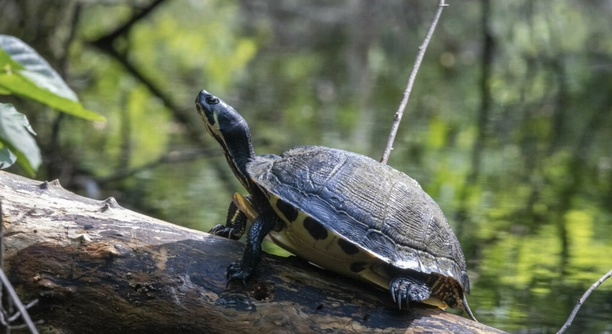
Yellow-bellied sliders are fascinating creatures, and many people wonder about what foods are safe for them. Understanding their diet is key to providing them with a healthy, balanced meal. Tomatoes are a popular question when it comes to these reptiles.
Yellow-bellied sliders can eat tomatoes in moderation. However, tomatoes should be given sparingly as they are high in acid and may cause digestive issues if consumed excessively. It is important to remove seeds and offer ripe tomatoes to avoid any potential health risks.
In the following sections, we will explore the best practices for feeding your yellow-bellied slider and how to keep their diet both safe and nutritious.
Can Yellow-Bellied Sliders Eat Tomatoes Regularly?
Yellow-bellied sliders can safely eat tomatoes in small quantities. They are known to enjoy a variety of fruits and vegetables, and tomatoes can be a tasty treat for them. However, due to the high acidity of tomatoes, it is essential to avoid making them a regular part of their diet. Too much acidity can irritate their digestive system and lead to potential health issues, such as upset stomachs or discomfort. Offering tomatoes once or twice a week, in moderation, is the safest approach. Ensure the tomatoes are ripe, as unripe ones contain higher acidity and can cause harm.
Tomatoes can provide a healthy snack, but they should not replace more balanced foods. Including leafy greens, like dandelion greens or collard greens, and protein-rich foods like insects or fish is essential for their overall health. It’s crucial to maintain a variety of nutrients to support their well-being.
When serving tomatoes, make sure to remove seeds and chop the fruit into manageable pieces. This helps prevent choking hazards and ensures your slider enjoys the treat safely.
Nutritional Benefits of Tomatoes for Yellow-Bellied Sliders
Tomatoes are rich in vitamins, antioxidants, and hydration, offering several benefits to yellow-bellied sliders when served in moderation. They contain vitamin C, which supports their immune system, and potassium, which contributes to proper muscle and nerve function. The natural water content in tomatoes also helps in hydration, especially when offered as part of a varied diet. However, too much tomato can result in digestive issues, so offering a variety of other foods is always the best strategy.
To maximize the benefits, ensure that you provide other vitamin-rich foods, like carrots or leafy greens, alongside the tomatoes. A balanced diet is key to maintaining your slider’s health. By offering a wide range of nutrients, you help keep your pet active, healthy, and happy. Remember, variety is essential for their overall well-being.
Risks of Feeding Too Many Tomatoes
Feeding yellow-bellied sliders too many tomatoes can lead to health issues. High acidity in tomatoes can cause stomach discomfort and upset. Overconsumption may result in diarrhea or dehydration, which can harm their digestive system. Moderation is key when offering tomatoes to ensure your slider stays healthy.
When feeding tomatoes, always ensure they are ripe and remove the seeds. Unripe tomatoes contain more acid, which could make your slider feel uncomfortable. It’s important to observe their behavior after eating tomatoes. If any signs of discomfort occur, cut back on tomato portions. Keep a balance by including a variety of other fruits and vegetables.
Too many tomatoes can also lead to excessive sugar intake. While natural sugars in fruits are fine in moderation, too much sugar can upset their metabolic balance. Keeping tomato servings small helps prevent these potential issues. Monitoring their overall diet is essential for long-term health and well-being.
How to Safely Serve Tomatoes to Yellow-Bellied Sliders
To serve tomatoes safely, start by removing the seeds. Seeds can sometimes be hard for sliders to digest and could lead to potential blockages. Wash the tomato thoroughly to remove any pesticides or chemicals that could harm your pet. Then, cut the tomato into manageable pieces for easy consumption. This ensures that your slider can enjoy the treat without difficulty.
For a healthier option, mix tomatoes with other fruits or vegetables. Combining tomatoes with greens like romaine lettuce or dandelion greens provides additional nutrients and fiber. This helps create a balanced snack that complements the rest of your slider’s diet. Offering variety is the best way to ensure that your pet gets the nutrition they need while enjoying a safe and tasty treat.
Can Yellow-Bellied Sliders Eat Other Fruits?
Yellow-bellied sliders can enjoy various fruits, but it’s essential to offer them in moderation. Fruits like strawberries, apples, and grapes provide vitamins and hydration. However, they should only be given occasionally, as too much fruit can disrupt their digestive system and lead to health problems.
Fruits are high in natural sugars, which are beneficial in small amounts but can cause obesity if overfed. Offering a variety of fruits in small portions helps maintain a healthy balance. Avoid fruits with seeds that may pose a choking hazard, and always remove any pits from fruits like peaches or plums.
What Should You Avoid Feeding Yellow-Bellied Sliders?
There are certain foods that should never be fed to yellow-bellied sliders. Avoid giving them dairy, as they cannot properly digest lactose. Similarly, avoid feeding them processed or salty foods, which can cause kidney issues. Stick to natural, fresh foods for their health.
Always research each food before offering it to your pet. Foods that may seem harmless could cause serious health concerns if they are not suitable for their digestive system. Keeping a variety of fresh, safe foods on hand ensures your slider gets the best nutrition possible.
Importance of Balanced Diet for Yellow-Bellied Sliders
Maintaining a balanced diet for your yellow-bellied slider is crucial for its long-term health. Alongside vegetables, fruits, and occasional protein, they require a diet rich in calcium and fiber. Leafy greens like kale or collard greens are great sources of calcium, supporting shell and bone health.
A varied diet helps prevent nutritional deficiencies. If a slider is fed the same food every day, it may lack essential vitamins and minerals. Regularly changing their meals keeps their diet interesting while providing them with a broad spectrum of nutrients. Providing a mix of plant and protein foods ensures they stay healthy and strong.
FAQ
Can yellow-bellied sliders eat tomatoes every day?
No, yellow-bellied sliders should not eat tomatoes every day. Tomatoes are acidic and high in sugar, which can cause digestive problems if fed too frequently. Offering tomatoes once or twice a week is safe, but they should be kept in moderation to avoid upsetting their stomach.
What other fruits are safe for yellow-bellied sliders?
Yellow-bellied sliders can safely eat fruits like strawberries, apples, blueberries, and melons. These fruits are packed with vitamins and water content, which help keep them hydrated. Just remember to remove seeds, cores, or pits, as these can pose a choking hazard. Limit fruit servings to once or twice a week.
Can yellow-bellied sliders eat vegetables every day?
Yes, vegetables should be a staple in your yellow-bellied slider’s diet. Dark leafy greens like collard greens, dandelion greens, and kale are excellent choices. These provide essential nutrients such as calcium, fiber, and vitamins. Aim to provide a variety of vegetables daily to keep their diet balanced.
Are there any vegetables yellow-bellied sliders should avoid?
Yes, some vegetables should be avoided, such as iceberg lettuce, which has little nutritional value and can cause diarrhea. Also, avoid feeding them spinach in large amounts, as it contains oxalates that can interfere with calcium absorption. Always offer a wide range of safe, nutritious vegetables instead.
Can yellow-bellied sliders eat protein?
Yes, yellow-bellied sliders need protein for proper growth and energy. You can feed them protein-rich foods like insects, small fish, or shrimp. Occasionally, you can also offer earthworms, mealworms, or cooked chicken. Protein should be provided in moderation to maintain a balanced diet.
Is it okay to feed yellow-bellied sliders live food?
Feeding live food, like small fish or insects, is okay in moderation, but it can come with risks. Live prey may carry parasites, so ensure you source live food from a reputable supplier. Always monitor your slider while feeding live food to ensure safe and healthy consumption.
Can yellow-bellied sliders eat human food?
While it’s tempting to feed yellow-bellied sliders leftovers or human food, it’s not always safe. Avoid processed foods, salty snacks, dairy products, or foods that are high in fats and sugars. Stick to fresh fruits, vegetables, and protein sources to keep them healthy.
How do I know if my yellow-bellied slider is getting the right nutrition?
A healthy yellow-bellied slider should have a smooth, shiny shell, clear eyes, and be active. If your slider seems lethargic, has shell deformities, or exhibits unusual behaviors, it may be a sign of nutritional imbalance. Offering a variety of foods and ensuring they get enough calcium and fiber is crucial for their health.
What are some signs that a yellow-bellied slider is overeating?
Overeating can lead to obesity and digestive issues in yellow-bellied sliders. Signs of overeating include lethargy, difficulty moving, and bloating. If you notice these symptoms, reduce the amount of food given and consult with a vet if necessary. A balanced diet with portion control is essential.
Can yellow-bellied sliders eat too many fruits?
Yes, yellow-bellied sliders can eat too many fruits. While fruits are rich in nutrients, they are also high in sugar and water content. Feeding excessive fruit can lead to obesity, diarrhea, and digestive upset. Limit fruit servings to small portions and offer a variety of other foods for balanced nutrition.
How often should I feed my yellow-bellied slider?
Yellow-bellied sliders should be fed once or twice a day, depending on their age and size. Younger sliders typically require more frequent meals, while adult sliders can be fed once daily. Always adjust their diet based on their activity level, growth, and specific dietary needs.
Can yellow-bellied sliders eat tomatoes with seeds?
It’s best to remove the seeds before feeding tomatoes to your yellow-bellied slider. While the seeds aren’t toxic, they can pose a choking hazard or cause digestive issues. Removing the seeds ensures a safer, more enjoyable feeding experience for your slider.
What should I do if my yellow-bellied slider refuses to eat tomatoes?
If your yellow-bellied slider refuses to eat tomatoes, don’t worry. Some sliders may not enjoy tomatoes, and that’s perfectly fine. You can try offering different fruits or vegetables to see what they prefer. Always aim for variety to keep their meals interesting and nutritious.
Is it okay to feed yellow-bellied sliders only vegetables?
Feeding only vegetables is not enough to meet a yellow-bellied slider’s nutritional needs. They require a balanced diet that includes protein, vegetables, and occasional fruits. A diet consisting solely of vegetables may lead to protein deficiency and other health issues, so be sure to include protein-rich foods.
Can yellow-bellied sliders eat tomatoes with the skin on?
Yes, yellow-bellied sliders can eat tomatoes with the skin on. The skin is not harmful and contains additional nutrients and fiber. However, ensure that the tomato is fully ripe and free from pesticides or chemicals that could harm your pet. Always wash thoroughly before serving.
How do I know if the tomato is safe for my yellow-bellied slider?
To ensure the tomato is safe, look for ripe, fresh tomatoes that are free from any mold or signs of rot. The tomato should be washed thoroughly to remove any chemicals or pesticides. Avoid offering overripe tomatoes, as they may be more acidic and less suitable for consumption.
Can yellow-bellied sliders eat cooked tomatoes?
While cooked tomatoes are safe, it’s best to serve them raw to preserve the maximum amount of nutrients. Cooking tomatoes may alter their nutritional value and reduce their benefits. If you do serve cooked tomatoes, ensure they are plain and free from any added seasoning or salt.
Final Thoughts
Feeding your yellow-bellied slider tomatoes can be a safe and enjoyable treat when done in moderation. Tomatoes provide essential nutrients like vitamins and antioxidants that can benefit their health. However, they should not be a regular part of your pet’s diet due to their high acidity and sugar content. It’s important to remember that variety is key when it comes to a balanced diet. Offering a mix of vegetables, fruits, and protein sources is the best way to keep your slider healthy and happy.
As with any food, it’s always a good idea to monitor your slider’s reaction to new items. Some sliders may enjoy tomatoes more than others, and that’s perfectly fine. If you notice any signs of digestive upset or discomfort after feeding tomatoes, it’s best to stop offering them and consult with a vet. Regular check-ups are important to ensure that your slider’s diet is meeting their nutritional needs. A proper diet can help prevent common health issues like shell deformities, lethargy, and obesity.
In conclusion, while tomatoes can be a safe occasional treat for yellow-bellied sliders, they should not be relied upon as a main food source. Instead, focus on providing a variety of fresh, nutrient-dense foods to meet all their dietary requirements. By offering a balanced diet and practicing moderation with treats like tomatoes, you can ensure that your slider lives a long, healthy, and happy life.

Hello,
If you enjoy the content that we create, please consider saying a "Thank You!" by leaving a tip.
Every little bit helps us continue crafting quality advice that supports the health, happiness, and well-being of pets around the world, for pets of all shapes, sizes, and species.
We really appreciate the kindness and support that you show us!