
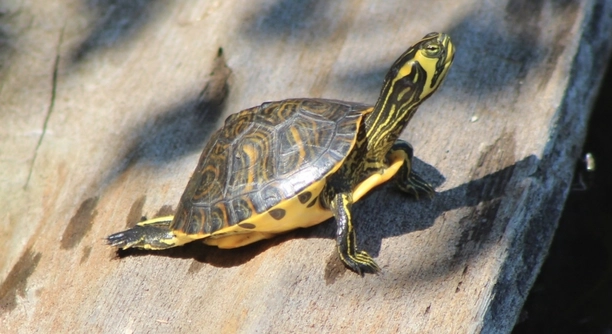
Yellow-bellied sliders are popular pets, known for their vibrant colors and friendly demeanor. However, their tank water can easily become dirty, which may concern owners. Keeping their habitat clean is key to their health and well-being.
The primary cause of dirty water in your yellow-bellied slider’s tank is poor filtration, overfeeding, and insufficient water changes. A filter that isn’t powerful enough or feeding excess food can lead to waste buildup and water pollution.
Understanding these factors can help improve your slider’s tank maintenance. Proper care will make a noticeable difference in the water quality and your turtle’s overall health.
Poor Filtration Can Cause Dirty Tank Water
A filter that isn’t strong enough for your yellow-bellied slider’s tank can make a big difference in water quality. Turtles are messy creatures, and they produce a lot of waste, which can quickly cloud the water. Without a good filter, waste builds up, leading to cloudy, dirty water that can harm your turtle’s health. Make sure to choose a filter with the right capacity for your tank size and the needs of your pet. Regular maintenance and cleaning of the filter are essential for keeping the water clean.
Replacing or cleaning your filter regularly helps maintain clear water and a healthier environment for your turtle. Skipping this step can lead to more problems down the road. A good filter ensures the water stays clean, keeping your slider safe and comfortable.
Over time, your slider will appreciate cleaner water, which will reduce stress and keep them active. Keep in mind that filter maintenance isn’t just about cleaning the equipment—it’s about ensuring your turtle stays healthy.
Overfeeding Contributes to Water Pollution
Feeding your yellow-bellied slider more than necessary can cause leftover food to decompose, adding waste to the water. This can increase the growth of harmful bacteria and lead to murky water.
Turtles don’t need a large amount of food, so avoid feeding them excessively. Stick to a feeding schedule and remove any uneaten food after a few hours. This helps reduce water contamination, ensuring the tank stays cleaner longer.
Infrequent Water Changes
If you don’t change the water often enough, it can quickly become dirty. Even with a filter, water should be replaced regularly to maintain a healthy tank. Dirty water not only affects your slider’s health but can also encourage the growth of harmful bacteria and algae.
Changing the water every one to two weeks is recommended, depending on your tank size and filtration system. If you notice the water becoming cloudy or foul-smelling, it’s time for a change. Don’t forget to clean the tank decorations, substrate, and the filter while you’re at it.
A clean tank provides your turtle with a safer, healthier environment. By staying on top of water changes, you help avoid long-term problems that could affect your slider’s health. Regular maintenance goes a long way in keeping your turtle’s habitat clean and fresh.
Tank Size and Stocking
An undersized tank or overcrowding can make it difficult to keep the water clean. When there’s not enough space for your yellow-bellied slider to swim, waste builds up faster. The tank’s size should accommodate your turtle comfortably and allow for easy filtration.
If your tank is too small, waste from the turtle’s food and droppings can’t be filtered out properly. This can result in dirtier water and more frequent cleaning. It’s crucial to have a tank that is large enough to support the filtration system and maintain water quality. A 40-gallon tank is a good starting point for a yellow-bellied slider.
Keeping your turtle in a well-sized tank ensures it has enough space to move around, stay active, and thrive. With the right tank, you can maintain cleaner water and improve your slider’s living conditions.
Excessive Algae Growth
Algae can quickly take over your slider’s tank if there’s too much light or organic matter in the water. It thrives in the warm, moist environment, making the water look dirty. This can be managed by limiting direct sunlight and cleaning the tank regularly.
To control algae growth, use a tank cover to block direct sunlight. Avoid overfeeding, as leftover food also contributes to algae growth. You can also introduce algae-eating creatures like snails or certain fish to help keep the algae in check.
Maintaining a balance between lighting and food intake is key to reducing algae and keeping the tank water clean. Proper filtration will also help control excess nutrients that algae feed on.
Lack of Proper Substrate
The type of substrate you choose can affect how clean the water stays. Some materials trap debris, which can decay and cause the water to become murky. Avoid using substrates that are too fine or hard to clean.
To make cleaning easier, opt for larger, smoother substrates like river rocks or gravel. These are easier to vacuum and don’t trap as much waste. When choosing a substrate, think about how easy it will be to clean regularly. Keeping the substrate clean helps reduce the amount of waste in the water.
Overuse of Tank Decorations
Decorations can add beauty to your tank, but too many can make it difficult to clean. They can trap waste and debris, leading to dirty water. Keep decorations minimal and easy to clean, so you can maintain a cleaner tank.
It’s best to clean decorations regularly to avoid them becoming a source of waste buildup. You can also use tank-safe cleaning solutions to remove any buildup or bacteria. When choosing decorations, think about their design and how easy they will be to maintain long-term.
FAQ
Why is my yellow-bellied slider’s tank water always cloudy?
Cloudy water is often caused by excess waste, overfeeding, or inadequate filtration. When food and waste break down in the tank, bacteria and debris cloud the water. This can happen if the filtration system is too weak or not cleaned often enough. To solve this, make sure the filter is powerful enough for your tank size and clean it regularly. Also, monitor feeding habits to avoid overfeeding, and remove any uneaten food after a few hours.
How often should I clean my yellow-bellied slider’s tank?
You should clean your turtle’s tank at least once a week, with more frequent cleanings if the water looks dirty. The water should be changed every 1-2 weeks, depending on the tank’s size and the filtration system. During these cleanings, scrub the tank’s walls and decorations to remove any algae or waste buildup. Make sure to clean the filter and remove any debris from the substrate, too.
Can I use tap water for my turtle’s tank?
You can use tap water, but it’s important to treat it first. Tap water often contains chlorine and other chemicals that can harm your turtle. Use a water conditioner to remove chlorine, chloramine, and heavy metals. Let the water sit for 24 hours before adding it to the tank, or use a water conditioner to neutralize harmful substances.
What type of filter is best for my yellow-bellied slider’s tank?
A good filter is essential for keeping the tank clean. Choose a filter that can handle at least 2-3 times the tank volume per hour. For example, if you have a 40-gallon tank, choose a filter that can process 80-120 gallons per hour. Canister filters are usually the most effective for large tanks, but hang-on-back filters can also work well for smaller tanks. Make sure the filter is rated for aquatic environments and can handle both mechanical and biological filtration.
How much should I feed my yellow-bellied slider?
Yellow-bellied sliders should be fed in moderation. Offer them a balanced diet that includes pellets, leafy greens, and occasional protein, like insects or shrimp. Feed them once a day when they are young, and every other day once they reach adulthood. Avoid overfeeding, as uneaten food can pollute the water and cause dirty tank conditions.
What should I do if my yellow-bellied slider’s shell is soft or damaged?
If your turtle’s shell appears soft or damaged, this could indicate a calcium deficiency or injury. To prevent this, make sure your turtle has access to a calcium supplement, either through cuttlebone or calcium-enriched food. If the shell is damaged, contact a veterinarian who specializes in reptiles for proper treatment.
How can I reduce algae growth in my turtle’s tank?
To reduce algae growth, limit the amount of direct sunlight the tank receives. Use a tank cover or place the tank in a location that doesn’t get too much light. Also, avoid overfeeding your turtle, as excess food can contribute to algae growth. Regular tank cleaning, including scrubbing algae off surfaces, helps keep it under control.
Can I add fish to my yellow-bellied slider’s tank?
While it’s possible to add fish, it’s not always recommended, especially if your turtle is aggressive or has a tendency to eat smaller fish. Yellow-bellied sliders are omnivores and may hunt fish, especially if they are smaller than the turtle. If you do choose to add fish, make sure they are large enough to avoid becoming a snack. Avoid overcrowding the tank, as it can increase waste and complicate water quality.
Why is my yellow-bellied slider’s tank water smelly?
A smelly tank is usually a sign of decaying organic matter, such as uneaten food or waste. This can happen if the tank isn’t cleaned regularly or if the filter isn’t working efficiently. Remove uneaten food after feeding, change the water regularly, and make sure the filter is working properly to keep the water fresh.
Do I need a heater for my yellow-bellied slider’s tank?
Yellow-bellied sliders are cold-blooded animals, so they need warm water to thrive. The water temperature should be between 75°F and 85°F (24°C and 29°C). A submersible aquarium heater is the best way to maintain a consistent water temperature. Make sure the heater is properly sized for your tank and keep an eye on the temperature to avoid overheating.
How do I know if my yellow-bellied slider is stressed?
Signs of stress in yellow-bellied sliders include swimming aimlessly, hiding more than usual, loss of appetite, or changes in behavior. Stress can be caused by poor water quality, overcrowding, inappropriate tank conditions, or sudden changes in the environment. Make sure the tank is clean, the temperature is correct, and your turtle has enough space. Reducing stress will help your slider stay healthy and active.
Can I use a UVB light for my yellow-bellied slider?
Yes, UVB lighting is important for yellow-bellied sliders, as it helps them synthesize vitamin D3, which is essential for calcium absorption. A UVB light should be on for 10-12 hours a day and positioned above the basking area. Make sure to replace the UVB bulb every 6-12 months, as its effectiveness decreases over time.
Why is my yellow-bellied slider’s shell turning black?
Black spots or discoloration on the shell can indicate a fungal or bacterial infection, or it could be a sign of a poor diet or water quality. If the black spots are soft or mushy, they may be an infection that requires veterinary treatment. Improving the turtle’s diet and water quality may also prevent further shell issues.
How can I prevent my yellow-bellied slider from getting sick?
To prevent illness, maintain a clean tank, provide a balanced diet, and ensure proper water temperature and UVB lighting. Regularly check the water quality, avoid overcrowding the tank, and avoid sudden changes in the environment. Routine veterinary checkups can also help catch any health issues early.
Final Thoughts
Keeping a yellow-bellied slider’s tank clean and healthy can take some effort, but the benefits are well worth it. A clean tank provides a safe environment for your turtle, helping it to thrive and avoid health problems. By understanding the main causes of dirty water, such as overfeeding or insufficient filtration, you can take the right steps to keep your turtle’s habitat in top condition. Regular water changes, proper filtration, and a balanced diet are key elements in ensuring your turtle’s tank stays clean and clear.
It’s important to stay on top of tank maintenance to avoid issues with cloudy or smelly water. By setting up a reliable filtration system and cleaning the tank regularly, you can prevent debris from building up. You should also avoid overfeeding your turtle, as uneaten food can quickly spoil and contribute to dirty water. Keeping the tank at the right temperature and providing enough UVB light will support your turtle’s health and make it more likely to enjoy its home. The more you care for the tank, the better your turtle’s environment will be.
Lastly, patience is key when it comes to caring for your yellow-bellied slider. While it may take some time to get everything just right, your turtle will benefit from the extra attention. Regular check-ups on water quality, diet, and tank cleanliness will help create a stable environment that promotes long-term health. Taking these simple steps will ensure that your turtle can live a happy, healthy life in its clean tank.

Hello,
If you enjoy the content that we create, please consider saying a "Thank You!" by leaving a tip.
Every little bit helps us continue crafting quality advice that supports the health, happiness, and well-being of pets around the world, for pets of all shapes, sizes, and species.
We really appreciate the kindness and support that you show us!