
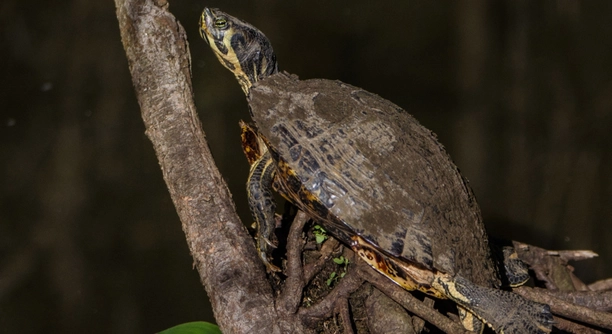
Creating a proper habitat for your yellow-bellied slider can be affordable and rewarding. With the right setup, you can offer your pet a comfortable and safe environment while staying within budget.
Building a tank for your yellow-bellied slider on a budget requires focusing on the essentials: proper filtration, lighting, and enough space for your pet to swim and bask. Prioritize items that serve their health and well-being.
These seven tips will help you create a thriving environment without breaking the bank. With some simple planning, your slider can enjoy a suitable habitat.
1. Choosing the Right Tank Size
When setting up a tank for a yellow-bellied slider, size matters. A 40-gallon tank is ideal for a small turtle, but larger ones will need more space. Turtles grow quickly, and providing extra room early on will help them thrive. The general rule is to have at least 10 gallons of water per inch of the turtle’s shell. This gives them the room to swim, explore, and stay healthy. A tank that’s too small can lead to stress and health problems, so invest in a proper-sized one from the start.
Choosing the right tank size will allow your turtle to grow comfortably. Overcrowding a smaller tank can cause problems.
A larger tank will also make it easier to maintain water quality. Turtles produce waste, and more space helps dilute toxins. In a smaller tank, the water can get dirty quickly, requiring frequent changes. The more space you provide, the easier it will be to keep the environment clean. Be sure to choose a tank that can accommodate both water and a basking area for your turtle. With proper maintenance and the right size, your slider will be comfortable and healthy.
2. Affordable Filtration Systems
A filtration system is essential for keeping your turtle’s tank clean. Choosing the right filter can be tricky, but there are affordable options that get the job done.
Look for filters designed for tanks larger than yours to ensure they can handle waste. This way, the filter can clean the water efficiently.
A canister filter is one affordable and reliable choice. It works by circulating water through a series of chambers that remove debris and toxins. Make sure to clean the filter regularly to keep it working properly. A good filter can save you time and money by keeping the water cleaner for longer, reducing the need for frequent water changes. While higher-end filters may have more features, a budget-friendly option can still provide great results. You don’t need to spend a lot to keep the water quality high, as long as you do regular maintenance.
3. Proper Lighting for a Healthy Habitat
Your yellow-bellied slider needs proper lighting to stay healthy. UVB lighting is necessary for calcium absorption and shell health.
A good UVB bulb should be placed 6-12 inches above the basking area. This helps the turtle soak up the rays needed for vitamin D3 production, which is essential for strong bones. Make sure the bulb is replaced every 6-12 months, as its effectiveness diminishes over time.
Basking lamps are also important to create a warm environment. The basking spot should be around 85-90°F, while the water temperature should stay between 75-80°F. Heat is crucial for your turtle to digest food properly. If the temperature is too low, your turtle’s activity level and health will suffer. Avoid using regular light bulbs for heat, as they do not emit the right kind of warmth. A combination of UVB and heat lamps will keep your slider healthy and active.
4. Affordable Tank Decorations
Decorating your turtle’s tank doesn’t have to be expensive. Simple, safe items can create a more enjoyable space for your slider.
Choose natural-looking rocks, caves, or logs that offer your turtle both shelter and climbing opportunities.
Avoid plastic decorations that can break into sharp pieces. Instead, opt for smooth, natural elements like large river rocks or driftwood. These items provide hiding places, which can reduce stress. You can even make your own tank decorations from materials you may already have at home, like clean rocks. Just be sure everything you add is turtle-safe and free of sharp edges. Adding plants, whether live or artificial, also offers hiding spots and enrichment for your turtle. Live plants can also improve water quality, but they may need additional care to survive. Keep your turtle’s natural behaviors in mind when choosing decorations, ensuring they feel safe and comfortable in their space.
5. Creating the Basking Area
A basking area is essential for your yellow-bellied slider to dry off and regulate body temperature. You can easily make one on a budget.
Use a flat rock, a platform, or a wooden plank to create a basking spot. Make sure it’s easy for your turtle to climb onto from the water.
The basking area should be close enough to the heat source to maintain a temperature of about 85-90°F. It’s important that your slider can rest there comfortably. Adding a small ramp can help your turtle get out of the water easily. Ensure the area is large enough for them to move around and stretch out.
6. Affordable Water Heater
A water heater helps maintain a stable temperature in the tank. Without it, your slider could suffer from fluctuating water temperatures.
Look for a submersible water heater with an adjustable thermostat.
Water heaters are relatively inexpensive and are necessary to keep the tank within the ideal range. Aim for a water temperature between 75-80°F. This is important for your slider’s digestion and overall well-being. Make sure the heater is placed in an area with good water circulation to avoid overheating. Regularly check the temperature to ensure it stays consistent. With proper placement and maintenance, a water heater will keep the water at the right temperature without breaking the bank.
FAQ
What do yellow-bellied sliders eat?
Yellow-bellied sliders are omnivores, which means they eat both plant and animal-based foods. Their diet should include a mix of leafy greens like kale, romaine lettuce, and dandelion greens, as well as aquatic plants such as water lettuce or duckweed. They also enjoy live or frozen foods like mealworms, crickets, and small fish. When feeding them, aim to offer a variety of foods to ensure they get the necessary nutrients. Keep in mind that young sliders tend to eat more protein, while adults may lean more towards plant-based foods. Avoid feeding them too much processed food, as it can lead to health issues.
How often should I feed my yellow-bellied slider?
For young yellow-bellied sliders, feeding should be done daily. As they mature, you can reduce the frequency to every other day. It’s important to feed them an appropriate portion size to avoid overfeeding, which can lead to obesity and shell deformities. Offer food during the day, as turtles are diurnal. Always remove any uneaten food after a few hours to keep the water clean. Stick to a routine that works for both you and your turtle, but ensure they are getting enough food to stay healthy.
How can I tell if my yellow-bellied slider is healthy?
Healthy yellow-bellied sliders should have clear, bright eyes and an active, alert demeanor. Their shell should be smooth without any noticeable cracks, soft spots, or uneven growth. The skin should be free of sores or discoloration. Additionally, their appetite and behavior should remain consistent. If you notice changes, like lethargy, loss of appetite, or swollen eyes, it may be a sign of illness, and you should consult a vet. Regularly check your turtle’s shell and skin to catch any potential issues early.
How do I clean my yellow-bellied slider’s tank on a budget?
To clean your turtle’s tank without spending a lot of money, you can use basic cleaning supplies you probably already have at home. First, remove your turtle and any decorations or rocks from the tank. Then, use a sponge or cloth to wipe down the tank’s interior, ensuring you remove any algae buildup. You can clean the filter monthly, but be sure to follow the manufacturer’s instructions to avoid damaging it. For the water, perform a partial water change every week to keep the tank clean and fresh. If you want to avoid purchasing expensive cleaning solutions, a mixture of vinegar and water can help with hard water stains and algae.
What kind of water should I use for my yellow-bellied slider tank?
It’s best to use dechlorinated tap water for your yellow-bellied slider’s tank. Chlorine can irritate their skin and eyes, so be sure to treat the water with a dechlorinator before adding it to the tank. If your tap water has high mineral content (hard water), you can use bottled or distilled water, but it’s not necessary if you’re performing regular water changes. Testing the water’s pH is also essential, and it should range between 6.5 and 7.5. Keep the water temperature stable within the 75-80°F range for your turtle’s health.
Can I keep multiple yellow-bellied sliders together?
Yes, yellow-bellied sliders can live with other turtles, but you should always monitor their behavior closely. Some turtles may be territorial, leading to fights, especially if there’s not enough space in the tank. A larger tank is essential if you’re planning to house more than one turtle. Provide plenty of basking spots, hiding places, and space to swim, ensuring there is no competition for resources. If you notice any aggression or signs of stress, such as one turtle being chased or harassed, it may be best to separate them.
What should I do if my yellow-bellied slider isn’t eating?
If your yellow-bellied slider isn’t eating, first check the water temperature and quality. Sliders are less likely to eat if the water is too cold or dirty. Make sure their basking area is properly heated and that the water temperature is in the right range (75-80°F). Stress can also cause a turtle to stop eating, so ensure they have a peaceful and safe environment. If your turtle still refuses food for more than a couple of days, it’s a good idea to consult a vet to rule out illness or other health issues.
Can I use tap water in my turtle’s tank?
You can use tap water, but you must treat it with a dechlorinator before adding it to the tank. Chlorine and chloramine, which are often found in tap water, can be harmful to your turtle. Using a water conditioner that removes these chemicals will ensure your turtle is safe. Additionally, ensure that the water temperature is appropriate and that the pH is balanced for your turtle. Regular water changes and cleaning are essential for maintaining a healthy tank environment.
How long do yellow-bellied sliders live in captivity?
Yellow-bellied sliders can live for 20-30 years in captivity, sometimes even longer if properly cared for. Their longevity depends on factors such as diet, habitat quality, and overall health. Providing the right tank setup, proper lighting, and a balanced diet will help ensure a long, healthy life for your turtle. Keep an eye on their shell, skin, and behavior for any signs of illness or distress. With proper care, your yellow-bellied slider can be a companion for many years.
Final Thoughts
Creating a suitable tank for your yellow-bellied slider on a budget is entirely possible. By focusing on the essentials like tank size, filtration, lighting, and a proper basking area, you can give your turtle a healthy and comfortable home without spending too much. It’s important to prioritize their well-being, so choose items that support their needs, such as proper heating, UVB light, and a good filtration system. Many affordable options are available, and with a little planning, you can create an environment that promotes your turtle’s health for years to come.
While it may take some time to gather all the necessary equipment, taking the right steps will save you money in the long run. Regular maintenance of the tank, including water changes and filter cleaning, is key to keeping the environment safe for your turtle. A healthy and stable tank environment will help prevent common health problems like shell rot, respiratory infections, and poor growth. By creating the right habitat now, you’ll avoid costly vet visits and ensure your slider thrives.
Taking care of a yellow-bellied slider can be a rewarding experience. With a little effort and attention to detail, you can keep your turtle healthy and happy. Remember, the most important factors are proper water conditions, a balanced diet, and regular access to both water and basking areas. Whether you’re just starting out or upgrading your turtle’s habitat, following these tips will help you create a budget-friendly, safe, and enjoyable environment for your slider.

Hello,
If you enjoy the content that we create, please consider saying a "Thank You!" by leaving a tip.
Every little bit helps us continue crafting quality advice that supports the health, happiness, and well-being of pets around the world, for pets of all shapes, sizes, and species.
We really appreciate the kindness and support that you show us!