
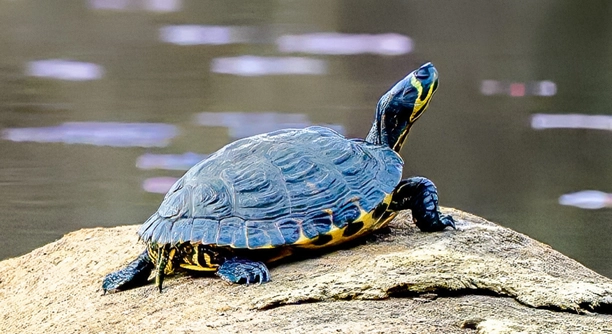
Yellow-bellied sliders are popular pets known for their beauty and fascinating behavior. However, it can be worrying when they become lethargic, leaving you uncertain about their health and well-being.
A lethargic yellow-bellied slider may indicate several potential causes, including poor water conditions, insufficient diet, or underlying health issues such as infections or parasites. It is important to address these factors to restore the turtle’s vitality.
There are simple steps to take that can help your yellow-bellied slider feel better again. Understanding these potential causes and solutions can guide you in taking better care of your pet.
Common Causes of Lethargy in Yellow-Bellied Sliders
Yellow-bellied sliders are very sensitive to changes in their environment. The water temperature and quality play a big role in how active they are. When the water is too cold or too dirty, your turtle may become sluggish. Poor water conditions can stress your slider, making it hard for them to stay active. The tank should be cleaned regularly to ensure that your pet feels comfortable and stays healthy. A temperature between 75°F and 80°F is ideal for their tank. Be sure to check the water with a thermometer and test its quality using water test kits.
Diet is another factor that affects their energy levels. Yellow-bellied sliders are omnivores and need a well-balanced diet. If your pet is not getting enough nutrients, such as protein or calcium, it can lead to lethargy. Make sure your slider’s food is varied and includes both plant-based and protein-rich foods. Poor diet often goes hand-in-hand with slow or lazy behavior.
For your yellow-bellied slider to thrive, providing proper care is key. Maintaining optimal water conditions and offering a nutrient-rich diet will help restore their energy levels.
Health Concerns and Illnesses
If your yellow-bellied slider continues to show signs of lethargy, it may be suffering from a health issue. Some common illnesses that affect turtles include respiratory infections, parasites, and shell rot. These can all cause sluggish behavior and require veterinary care.
Respiratory infections, in particular, are common in turtles and can lead to a lack of energy. A turtle with a respiratory infection may have trouble breathing, appear less active, or have mucus around its nose. If your slider shows these symptoms, it’s crucial to take them to a vet for treatment.
Parasites, such as worms, can also cause lethargy. They affect the digestive system and can lead to weight loss, poor appetite, and overall weakness. Another health issue, shell rot, can be harder to spot but may show as soft or discolored spots on the shell. These infections need professional attention, as they can worsen over time. Ensuring your turtle gets regular check-ups will help spot these issues early.
Improper Tank Setup
If your yellow-bellied slider’s tank setup isn’t right, it can cause them to feel sluggish. A common issue is inadequate basking areas. Turtles need warmth to digest their food and stay healthy. If your turtle can’t bask in a proper spot with sufficient heat, it may become lethargic. A UVB light is also important to help them absorb calcium and stay active. Without the proper lighting and temperature gradients, they can become weak and show little interest in moving.
Another tank-related factor to consider is the water depth. Yellow-bellied sliders prefer shallow areas where they can swim easily but still have access to a dry basking spot. If the water is too deep, your turtle may feel stressed and reluctant to swim, leading to inactivity. In addition, check that there is enough space for your turtle to move around. Overcrowded tanks can lead to stress, which may make your pet lethargic.
A proper setup encourages your turtle to stay active. By adjusting the basking area, water depth, and overall tank conditions, your yellow-bellied slider will be more likely to thrive and show energy.
Seasonal Changes
Yellow-bellied sliders experience slower activity during colder months, which is natural. They may become lethargic in winter, especially if they’re kept in an outdoor enclosure. Lower temperatures affect their metabolism, making them less energetic. If your turtle seems lethargic during this time, it’s not necessarily a sign of illness.
However, if the temperature changes are too extreme or your turtle is kept in a cold tank, it can worsen their behavior. It’s important to maintain a proper tank temperature year-round. During colder months, if the temperature drops too low, your slider may enter a sort of hibernation state, reducing its activity level significantly. In nature, yellow-bellied sliders would naturally slow down during the winter, but it’s still important to keep their environment warm enough to avoid other health issues.
To keep your turtle comfortable and healthy during the colder months, ensure that their tank remains at the proper temperature. This will prevent unnecessary lethargy and help maintain a balanced metabolism.
Stress and Anxiety
Stress can have a big impact on your yellow-bellied slider. If they feel threatened or uncomfortable, they may retreat into their shell and become more sluggish. New environments, changes in routine, or loud noises can all trigger stress in turtles. Over time, this can lead to a decrease in activity.
Another factor to consider is the presence of other animals. If your turtle is in a tank with other aggressive pets, it can feel threatened, causing it to become less active. When a turtle is stressed, it’s essential to identify the source and address it quickly to prevent further lethargy.
Reducing stress for your yellow-bellied slider involves keeping their environment calm and peaceful. A quiet, stable habitat can help them feel safe and more active.
Overfeeding
Overfeeding your yellow-bellied slider can lead to lethargy, as it may cause digestive issues. Turtles that are fed too much may experience slower digestion and a lack of energy. They may spend more time resting instead of moving around or swimming.
A proper feeding schedule is crucial. Too much food, especially high-protein items, can also lead to obesity, which further impacts their activity levels. To keep your slider healthy, it’s important to feed them appropriate portions. A balanced diet with the right amount of food will help maintain their energy levels and overall health.
Improper Lighting
The lack of proper lighting can cause your yellow-bellied slider to feel sluggish. Turtles need UVB lighting to produce Vitamin D3 and absorb calcium, which supports strong bones and an active lifestyle. Without the correct lighting, they may become lethargic, weak, and uninterested in moving around.
If your slider doesn’t have access to UVB light, it may also develop shell problems or other health issues over time. A good-quality UVB bulb, along with a proper basking area, will help your turtle stay active and healthy. Make sure the light is in the correct position, so your turtle can absorb it effectively.
FAQ
Why is my yellow-bellied slider not eating?
A lack of appetite in a yellow-bellied slider can be caused by several factors. If they aren’t eating, check if their water temperature is correct. Too cold or too hot water can affect their digestive system. Also, if they feel stressed due to environmental changes, overcrowding, or the presence of other pets, they may lose their appetite. Another common reason could be an illness, such as a respiratory infection or parasites. Make sure the tank setup is right, and try offering a variety of foods to encourage eating. If the issue persists, consider taking your turtle to the vet.
What should I do if my yellow-bellied slider is floating?
Yellow-bellied sliders float when their buoyancy is off. This could be due to a few reasons: too much air in their body, a digestive issue, or even a respiratory infection. If your turtle is floating excessively and seems unwell, check the water conditions. Poor water quality or incorrect temperatures can cause stress or health issues. A swollen or buoyant turtle may need a check-up if they appear to be having trouble swimming or diving. Sometimes, floating can also indicate gas in the intestines from eating the wrong food.
Is it normal for my yellow-bellied slider to sleep a lot?
It’s normal for a yellow-bellied slider to sleep more than some other pets, especially if they’re in the right environment. Turtles naturally sleep a lot due to their slower metabolism. However, if they’re sleeping excessively and appear lethargic, it could be a sign of a health problem or improper tank conditions. Check the water temperature, lighting, and tank setup to make sure everything is optimal. Excessive sleeping can also indicate illness or stress. If you’re concerned, it’s always best to consult with a vet to rule out any medical issues.
Can my yellow-bellied slider get depressed?
Yes, yellow-bellied sliders can experience stress or depression, especially if they’re in an environment that doesn’t meet their needs. Factors such as poor tank conditions, overcrowding, lack of social interaction, or constant changes to their environment can lead to stress. Depressed turtles may stop eating, become lethargic, or hide more than usual. Providing a stable, calm environment with proper care is essential for your slider’s well-being. Try making changes to reduce stress, such as adjusting the tank, offering new enrichment activities, and maintaining good water quality.
How often should I feed my yellow-bellied slider?
Yellow-bellied sliders should be fed every other day as juveniles and once every two to three days as adults. Overfeeding can lead to obesity, which can cause lethargy and other health problems. Make sure to provide a balanced diet with a combination of protein and plant-based foods. Offer foods like leafy greens, vegetables, and high-quality pellets. Treats such as small fish or insects can be given occasionally. The right feeding schedule will ensure your turtle gets the proper nutrition without overloading its system, which can affect energy levels.
What is the ideal tank size for a yellow-bellied slider?
For a yellow-bellied slider, the tank size should be at least 75 gallons for one turtle. Larger tanks are always better to give them plenty of space to swim, bask, and explore. The tank should have both a swimming area and a dry basking platform. Overcrowding can lead to stress, which can cause lethargy and other health issues. A properly sized tank will ensure that your turtle has enough room to stay active and healthy. Also, don’t forget to maintain good water quality and temperature for your slider’s comfort.
Why is my yellow-bellied slider basking more than usual?
Excessive basking could be a sign that your turtle is trying to regulate its body temperature. If the water temperature is too cold, your slider may need to bask more to warm up. Another possible cause is stress or illness. If your slider is basking more than usual and appears lethargic or has trouble swimming, it might be a sign of an underlying issue. Check the water conditions, ensure that the basking area is properly heated, and observe your turtle for any other signs of distress. If you’re unsure, consulting a vet could help.
How can I tell if my yellow-bellied slider is sick?
Sick yellow-bellied sliders often display clear signs of illness. Look for changes in their behavior, such as excessive sleeping, floating, or lack of appetite. Physical symptoms like swollen eyes, mucus around the nose, or a soft, discolored shell can indicate problems. Other signs include difficulty swimming, labored breathing, or a noticeable weight loss. If you notice any of these symptoms, it’s important to take your turtle to the vet for a proper diagnosis. Early intervention can help prevent the issue from worsening and ensure a quicker recovery.
Can I keep a yellow-bellied slider with other turtles?
Yes, yellow-bellied sliders can be kept with other turtles, but it depends on the species and the tank conditions. If the tank is large enough and the turtles are compatible, they can cohabit peacefully. However, be cautious of aggression. Some turtles may not get along, and aggressive behavior can lead to stress, injury, or lethargy. It’s essential to monitor their behavior closely. A tank that provides plenty of space, hiding spots, and proper basking areas can help prevent conflicts between turtles. If you’re unsure about compatibility, consult a reptile expert or vet.
How can I help my yellow-bellied slider stay active?
To keep your yellow-bellied slider active, focus on creating an enriching environment. Offer a variety of foods to encourage foraging behavior, and provide a large tank with plenty of space to swim. Adding rocks, plants, and other decorations in the water can make the environment more engaging and encourage movement. Make sure the water temperature and lighting are correct so your turtle can properly digest food and get the UVB light it needs. Regularly changing the water and keeping the tank clean will also help keep your turtle active and healthy.
Final Thoughts
Taking care of a yellow-bellied slider requires attention to detail and consistency. These turtles are relatively low-maintenance but can become lethargic if their basic needs are not met. Whether it’s poor water conditions, a lack of proper lighting, or an imbalanced diet, each factor can impact their energy levels. It’s important to ensure that their environment is clean, their water is at the right temperature, and they have a proper basking area. A healthy and comfortable habitat will encourage your turtle to stay active and thrive.
If your yellow-bellied slider is showing signs of lethargy, try to identify the cause. Sometimes, it may be as simple as changing their food or adjusting the tank setup. Other times, the problem may be related to stress or an illness. Monitoring your turtle closely for any changes in behavior and appearance is key. If you notice any concerning signs, such as a lack of appetite, difficulty swimming, or changes in their shell or eyes, it may be time to consult a veterinarian. Early intervention can prevent further health issues and ensure your turtle gets the care it needs.
Overall, understanding the needs of your yellow-bellied slider and being proactive in maintaining their environment can prevent most issues that cause lethargy. Keep a regular schedule for feeding, tank cleaning, and water quality checks. Pay attention to their behavior and make adjustments as needed. With the right care and attention, your yellow-bellied slider will likely remain active, healthy, and happy.

Hello,
If you enjoy the content that we create, please consider saying a "Thank You!" by leaving a tip.
Every little bit helps us continue crafting quality advice that supports the health, happiness, and well-being of pets around the world, for pets of all shapes, sizes, and species.
We really appreciate the kindness and support that you show us!