
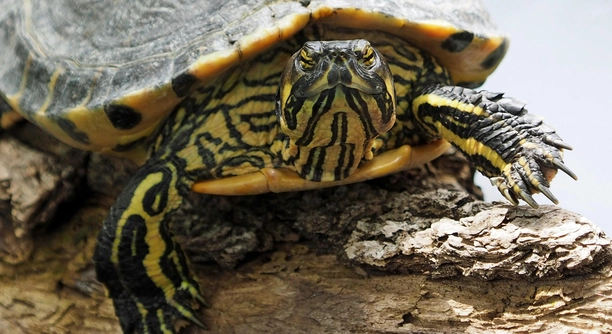
Yellow-bellied sliders are popular pet turtles that are often fed a variety of foods. Many turtle owners wonder if these reptiles can safely enjoy different fruits, including mango. This curiosity is quite common among pet owners.
Yellow-bellied sliders can eat mango, but it should only be offered in moderation. Mangoes are rich in vitamins, but too much can cause digestive issues. It’s essential to remove the pit and offer small, manageable pieces.
There are certain guidelines to follow when feeding mango to yellow-bellied sliders. Understanding their dietary needs will help you make informed choices for their health.
What Makes Mango a Treat for Yellow-Bellied Sliders?
Mango is a sweet and nutritious fruit that contains vitamins A, C, and E, all of which are beneficial to your yellow-bellied slider. It also has a good amount of fiber, which can support digestive health. However, while the fruit is a great snack, it’s important to remember that it is also high in natural sugars. This means it should be offered in small quantities to prevent any digestive upset or weight gain. Always be mindful of the balance in their diet to keep your pet healthy and happy.
Feeding mango to your yellow-bellied slider is safe, but moderation is key. Mango should never be the main component of their diet.
Besides its nutritional benefits, mango can help provide variety in your turtle’s diet. Offering fruit in small pieces can encourage natural foraging behavior. Always remove the pit before offering mango to avoid any choking hazards or potential harm. Keep an eye on their reaction to new foods, as some turtles can be sensitive to certain fruits.
How to Safely Serve Mango to Your Turtle
Before feeding mango, it’s crucial to prepare it properly. Make sure to peel the fruit and cut it into small, bite-sized pieces. The pit must be removed completely, as it is not only a choking hazard but can also be toxic to turtles if ingested.
Once you’ve prepared the mango, serve it as a small treat rather than a daily food. A few small cubes once or twice a week should be plenty. Overfeeding mango can upset the balance of nutrients in your turtle’s diet and may lead to health issues over time. Keeping the portions controlled ensures they get the benefits of the fruit without the risks.
Also, always be cautious about the mango’s ripeness. Avoid giving unripe mango, as its acidity may cause irritation or digestive issues. On the other hand, overly ripe mango can be very sugary, which can cause an imbalance in their diet. By offering only the right amount and ensuring the fruit is fresh and ripe, you can make mango a safe treat for your turtle.
Nutritional Benefits of Mango for Yellow-Bellied Sliders
Mango is a healthy fruit packed with vitamins, fiber, and antioxidants. It’s especially rich in vitamin A, which supports your turtle’s vision and immune system. Vitamin C helps with skin health and boosts their immune system as well. Additionally, the fiber in mango can aid in digestion, promoting a healthy gut.
Mango also provides essential nutrients that support your turtle’s overall well-being. However, it’s crucial not to overdo it. While the vitamins and fiber are beneficial, too much sugar can lead to unwanted weight gain or other health issues. Keeping their diet diverse, with mango as an occasional treat, helps maintain a balanced nutrient intake. Always focus on a variety of food items to meet all your slider’s dietary needs.
Vitamin E in mango contributes to overall skin and shell health, which is important for your slider’s longevity. Ensuring your turtle receives a good balance of vitamins helps prevent deficiencies, which can affect their immune system, shell growth, and energy levels.
Risks of Overfeeding Mango
Feeding too much mango to your yellow-bellied slider can lead to health problems. Since mango contains a high level of sugar, too much of it can cause digestive upset, such as diarrhea. Additionally, excess sugar can contribute to obesity, which is detrimental to their overall health.
Too much fruit can also disturb their calcium-to-phosphorus ratio, which is vital for strong bones and a healthy shell. This imbalance can result in shell deformities or other growth issues. Always aim for a balanced diet that includes appropriate amounts of protein, vegetables, and fruits like mango in moderation. If you notice your turtle becoming less active or having soft shells, it may be a sign that their diet needs adjusting.
Moderation is key when offering mango or any other sugary fruits. A well-rounded diet consisting mostly of leafy greens, vegetables, and the occasional fruit like mango ensures a long and healthy life for your turtle.
How Often Should You Feed Mango to Your Turtle?
Mango should be an occasional treat for your yellow-bellied slider, not a regular part of their diet. It’s best to offer it once or twice a week, in small amounts. This ensures they get the benefits of the fruit without overloading on sugar.
Offering mango too frequently could lead to weight gain or digestive issues. Keeping it as a rare snack helps maintain a healthy diet for your turtle. Remember, variety is key when feeding them.
Other Fruits and Treats for Yellow-Bellied Sliders
Along with mango, yellow-bellied sliders can enjoy other fruits in moderation, such as strawberries, blueberries, and papaya. These fruits also offer valuable vitamins and antioxidants. However, like mango, they should be served in small portions to avoid excessive sugar intake.
It’s important to balance these sweet treats with other food options, such as leafy greens and protein. A varied diet ensures your turtle is getting the nutrients it needs for optimal health. Fruits can be part of the mix but should not overshadow the more nutritious options.
Are Mangoes Safe for All Turtles?
Mangoes are generally safe for most yellow-bellied sliders, but some turtles may have sensitivities or allergies. Always start by offering a small piece and monitor for any signs of discomfort or changes in behavior. If your turtle shows signs of digestive upset, avoid mango in the future.
Can Yellow-Bellied Sliders Eat Mango Skin?
The skin of mango is not harmful to yellow-bellied sliders, but it is not ideal for them to eat. It can be tough and harder to digest, which might cause some discomfort or digestive upset. To avoid potential issues, it’s best to peel the mango before offering it to your turtle.
If you decide to give them some mango skin, ensure it is small and thin. However, most turtles seem to prefer the fruit’s soft flesh, which is easier to eat and digest. If you choose to give mango skin, watch for any signs of indigestion or discomfort.
Is Mango Good for Baby Yellow-Bellied Sliders?
Mango can be fed to baby yellow-bellied sliders, but the serving size should be even smaller than for adult turtles. Baby turtles have smaller digestive systems, so it’s crucial to keep the portions in check. Small, bite-sized pieces of mango are best for them.
Because baby turtles are still developing, their diet needs to be balanced carefully. Mango should only be offered as an occasional treat and never replace essential foods like high-quality turtle pellets or leafy greens. Always monitor their reaction to new foods and adjust portions accordingly.
How Should Mango Be Prepared for Yellow-Bellied Sliders?
To prepare mango for your yellow-bellied slider, first, wash the fruit thoroughly. Peel the mango to remove the skin, then cut it into small, manageable pieces. Always remove the pit, as it can be a choking hazard. The mango pieces should be bite-sized, especially for smaller turtles.
Avoid offering large chunks that could be difficult to chew or swallow. It’s also important to serve fresh mango, not canned or processed varieties, as these can contain harmful sugars or preservatives. Fresh, ripe mango is always the best option.
Can Mango Replace Other Food Items in Their Diet?
Mango should never replace the primary food items in a yellow-bellied slider’s diet. A well-balanced diet consists mainly of leafy greens, vegetables, and high-quality pellets designed for turtles. While mango can provide vitamins and antioxidants, it lacks the protein and other essential nutrients they need.
If you feed your turtle mango regularly, it should be in addition to their normal food, not as a substitute. A varied diet with a focus on leafy greens and protein is the most effective way to keep your turtle healthy.
Are There Any Risks to Feeding Mango to Yellow-Bellied Sliders?
The main risk of feeding mango to yellow-bellied sliders is overfeeding. Because mango is high in sugar, too much can lead to digestive issues like diarrhea or even obesity. It’s important to offer mango in small, controlled portions and not too frequently.
Another risk comes from improperly preparing the fruit. The pit can cause a choking hazard if not removed, and the skin can be difficult to digest. Always ensure you peel the mango and remove the pit before serving it to your turtle.
How Do I Know If My Turtle Likes Mango?
To check if your turtle likes mango, simply offer a small piece and observe their reaction. Some turtles will eagerly take the fruit, while others may be more hesitant. If your turtle doesn’t show interest, try offering a different fruit or waiting a few days before trying again.
It’s important to remember that every turtle has its own preferences. Some might enjoy the sweetness of mango, while others may not care for it. Offering a variety of foods will help ensure they’re getting a diverse range of nutrients.
Can Mango Be Harmful if Eaten Too Frequently?
Yes, eating mango too frequently can be harmful. The high sugar content in mango can lead to weight gain, digestive issues, and potential health problems. If your turtle eats too much mango, it may also disrupt their balance of essential nutrients, which can affect their overall health.
Limit mango to an occasional treat and ensure it is offered alongside a balanced diet of greens, protein, and other necessary foods. Keeping their diet diverse and controlled is essential for maintaining a healthy and happy turtle.
Can Mango Be Fed to Turtles of All Sizes?
Yes, mango can be fed to turtles of all sizes, but the portion size should be adjusted depending on the size of the turtle. For smaller turtles, offer even smaller pieces to prevent choking or digestive problems. Larger turtles can handle bigger pieces but still need to have the mango served in moderation.
Regardless of their size, it’s important to ensure that mango is just a small part of a varied diet. Feeding them a wide range of fruits, vegetables, and protein sources will ensure they get all the nutrients they need.
Should Mango Be a Daily Part of Their Diet?
Mango should not be a daily part of your turtle’s diet. It’s best offered occasionally, perhaps once or twice a week, to prevent overconsumption of sugar. A daily diet of high-quality turtle pellets, leafy greens, and vegetables is essential for their health and should always take priority.
Treat fruits like mango as an occasional snack or treat rather than a staple. Moderation is key when it comes to sugary fruits. A healthy, balanced diet will support your turtle’s growth, energy, and overall well-being.
What Other Fruits Can Yellow-Bellied Sliders Eat?
Yellow-bellied sliders can enjoy a variety of fruits, including strawberries, blueberries, papaya, and melons. These fruits provide essential vitamins and antioxidants to keep your turtle healthy. However, they should all be offered in moderation due to their sugar content.
Be sure to remove seeds or pits from fruits before serving to avoid choking hazards. Additionally, avoid overly ripe fruits, which can be too sugary. Rotate different fruits into your turtle’s diet to provide variety while maintaining a balanced nutritional intake.
Final Thoughts
Feeding mango to your yellow-bellied slider can be a healthy and enjoyable treat when offered in moderation. The fruit is packed with essential vitamins, such as vitamin A and vitamin C, which are important for supporting their immune system, vision, and overall health. However, while mango can be a good source of nutrients, it should not make up a large portion of their diet. The natural sugars in mango can cause digestive issues and contribute to weight gain if fed too frequently. Keeping the serving size small and infrequent will help ensure it remains a beneficial treat rather than a source of harm.
It’s important to always remember that variety is key when it comes to feeding your turtle. Mango should be just one of many fruits offered to your yellow-bellied slider. Along with the occasional fruit, a healthy diet should consist of high-quality turtle pellets, leafy greens, and other vegetables. These foods provide the necessary nutrients that your turtle needs for proper growth, strong bones, and a healthy shell. A balanced diet helps prevent nutritional deficiencies and keeps your turtle in optimal health. Offering fruits like mango can add variety, but they should never be relied upon as the main food source.
By preparing mango properly and observing your turtle’s reaction to new foods, you can make sure that it remains a safe and enjoyable snack. Always remove the pit and peel the skin before offering mango to avoid choking hazards or digestion issues. If you notice any signs of discomfort or changes in behavior after eating mango, consider reducing the amount or removing it from their diet entirely. Remember, a healthy diet for your turtle should always be diverse, and treats like mango can be a fun, occasional addition that supports their overall health when handled with care.

Hello,
If you enjoy the content that we create, please consider saying a "Thank You!" by leaving a tip.
Every little bit helps us continue crafting quality advice that supports the health, happiness, and well-being of pets around the world, for pets of all shapes, sizes, and species.
We really appreciate the kindness and support that you show us!