
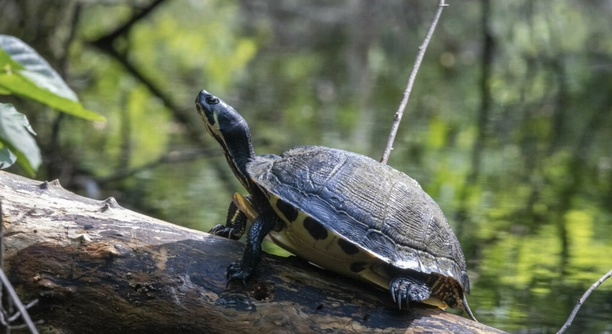
Yellow-bellied sliders are popular pets known for their unique behavior and easy care. As omnivores, their diet can be diverse, but it’s important to know which foods are safe for them to eat. Cabbage might be one of them.
Yellow-bellied sliders can eat cabbage in moderation. This vegetable is non-toxic and provides some beneficial nutrients, but it should not be the primary food. Offering cabbage alongside other vegetables and protein sources ensures a balanced diet for the turtle.
While cabbage is safe, it’s important to feed your turtle a variety of foods to meet all nutritional needs. Continue reading to learn more about proper feeding practices for these aquatic reptiles.
The Benefits of Cabbage for Yellow-Bellied Sliders
Cabbage is a low-calorie vegetable that can provide a range of nutrients for yellow-bellied sliders. It contains vitamins such as Vitamin K and Vitamin C, which support their immune system and overall health. Cabbage also has fiber, which can help with digestion. However, while cabbage can offer benefits, it should be given sparingly. Too much cabbage could lead to digestive issues like bloating or gas, especially if your turtle is not used to the vegetable. Offering cabbage once or twice a week, combined with a variety of other vegetables, will help prevent nutritional imbalance.
Even though cabbage offers health benefits, moderation is key. Overfeeding can lead to potential problems in digestion and health. A varied diet is essential for optimal nutrition, and too much of any one food can hinder your turtle’s wellbeing. Remember to provide balanced meals with different vegetables, fruits, and proteins to keep your yellow-bellied slider thriving.
Cabbage should be fed alongside other vegetables like collard greens, dandelion leaves, and romaine lettuce for added variety. In addition to vegetables, yellow-bellied sliders require protein, which they get from insects, small fish, or commercial turtle food. Variety ensures they get all the nutrients they need.
What You Should Avoid When Feeding Your Yellow-Bellied Slider
When feeding your yellow-bellied slider, certain foods should be avoided for their health. While some vegetables are safe, others like iceberg lettuce offer little nutritional value. Additionally, avoid feeding your turtle processed or salty foods.
Too much cabbage or high oxalate foods, such as spinach, can cause health issues over time. Oxalates can bind to calcium and reduce its absorption, which could lead to shell deformities or other bone problems. It’s important to balance your slider’s diet with foods that provide adequate calcium and other minerals. This can include foods like kale or collard greens, which offer high calcium content. To avoid health issues, feeding a variety of safe foods is essential.
Feeding your slider live insects, like crickets, worms, or even small fish, is also a good source of protein. These foods mimic their natural diet and help them grow strong and healthy. Incorporating different types of food will give your turtle the energy it needs while ensuring long-term health. Avoiding overfeeding cabbage and other similar foods is essential for maintaining a healthy balance in their diet.
Feeding Cabbage Safely to Your Turtle
To ensure your turtle’s safety, remove any leftover cabbage after a few hours to prevent it from wilting or spoiling. Fresh cabbage should be chopped into manageable pieces, making it easier for your slider to eat. This also prevents choking or difficulty eating large pieces.
A common mistake is feeding cabbage in excess, thinking it will provide all the necessary nutrients. Although cabbage has benefits, it doesn’t contain sufficient amounts of protein or calcium for your slider. Balance is key. Regularly rotate other vegetables and supplement with animal-based proteins for a healthier diet. Cabbage is best served alongside these to ensure they get everything they need for proper growth and vitality.
You can also experiment with different types of cabbage. Red cabbage offers slightly more antioxidants, while green cabbage is more widely available. Both are safe in moderation but should be fed in small amounts. Offering a variety of vegetables keeps your turtle interested and ensures a well-rounded diet.
Importance of Variety in a Turtle’s Diet
Yellow-bellied sliders thrive when fed a variety of foods, and sticking to one type of food can lead to deficiencies or imbalanced nutrition. While cabbage can be part of their diet, it should not dominate their meals. A healthy turtle diet includes leafy greens, vegetables, fruits, and protein sources like insects or fish.
Incorporating a mix of leafy greens such as kale, collard greens, and mustard greens helps provide essential nutrients like calcium and vitamins. Fruit, such as strawberries or blueberries, can be offered in moderation for added variety. Animal protein sources, like crickets, worms, or small fish, should be given regularly to mimic their natural feeding habits.
Without variety, your turtle may not receive all the nutrients it requires for healthy growth and development. Stick to a mix of ingredients to ensure proper care and a longer life for your yellow-bellied slider. Keeping their diet diverse will improve their well-being and keep them happy.
How Often Should You Feed Cabbage?
Yellow-bellied sliders should only be fed cabbage once or twice a week. This prevents any potential digestive issues and ensures they are getting other necessary nutrients. You can alternate cabbage with other leafy greens to keep their meals varied.
Overfeeding cabbage can lead to digestive problems, as too much fiber can upset their stomachs. By limiting cabbage to a couple of times a week, you can avoid this risk. Combine it with other foods to keep their diet balanced, supporting their overall health and well-being.
Potential Risks of Overfeeding Cabbage
Overfeeding cabbage can cause more harm than good. While it’s not toxic, too much cabbage can lead to digestive issues, including bloating or excessive gas. These problems can affect your turtle’s comfort and overall health. This is why moderation is essential.
Turtles need a balanced diet, with an emphasis on protein and calcium. Feeding too much cabbage may also reduce their intake of these important nutrients. When offering cabbage, make sure it is only one part of a diverse, healthy diet. Use cabbage as a side dish, not a main course.
How to Prepare Cabbage for Your Turtle
When preparing cabbage for your yellow-bellied slider, it’s best to rinse it thoroughly to remove any pesticides or chemicals. Cut the cabbage into small, manageable pieces to prevent choking and make it easier for your turtle to eat. Always offer fresh cabbage.
Avoid offering cabbage that has been sitting out for too long. Wilted or rotten cabbage can lead to health problems and should never be fed to your turtle. Fresh, chopped cabbage ensures the highest quality and reduces any risk of contamination.
FAQ
Can yellow-bellied sliders eat cabbage every day?
Feeding cabbage to your yellow-bellied slider every day is not recommended. While cabbage is safe in moderation, feeding it daily can cause digestive problems like bloating or gas. It’s important to offer a variety of foods to ensure your turtle gets all the nutrients it needs. A good rule of thumb is to feed cabbage once or twice a week, alternating with other vegetables to provide a balanced diet. This will help prevent any long-term health issues and keep your turtle healthy.
What other vegetables can I feed my yellow-bellied slider?
Yellow-bellied sliders can eat a wide variety of vegetables, including kale, collard greens, mustard greens, and dandelion leaves. These greens are rich in nutrients like calcium, which is essential for shell and bone health. You can also offer them other vegetables like squash, zucchini, and bell peppers. Avoid feeding your turtle vegetables with high levels of oxalates, such as spinach, as they can interfere with calcium absorption. Offering a range of leafy greens and vegetables ensures your slider gets a well-rounded diet.
Can yellow-bellied sliders eat cabbage with other vegetables?
Yes, you can feed cabbage alongside other vegetables. In fact, it’s a good idea to mix cabbage with other leafy greens like kale or romaine lettuce. This helps provide a more varied nutrient profile, ensuring your turtle gets the necessary vitamins and minerals. Just be sure to avoid overfeeding any one vegetable, as this can lead to imbalances in your turtle’s diet. By offering a mixture of different vegetables, you can ensure your yellow-bellied slider receives a more complete and balanced diet.
Is cabbage good for my yellow-bellied slider’s digestion?
Cabbage can be beneficial for your yellow-bellied slider’s digestion in moderation. It contains fiber, which helps support healthy digestion and bowel movements. However, too much cabbage can cause bloating or gas, leading to digestive discomfort. It’s important to balance cabbage with other vegetables and protein sources in your turtle’s diet. Always monitor your turtle’s reaction to new foods and adjust its diet as necessary to prevent any digestive issues.
Can yellow-bellied sliders eat cabbage that’s been cooked?
Yellow-bellied sliders can eat cooked cabbage, but it’s generally better to feed it raw. Raw cabbage retains more of its nutrients, and your turtle will benefit more from the vitamins and fiber. If you choose to cook cabbage, avoid using any oils, salt, or spices, as these can be harmful to your turtle. Steaming or lightly blanching cabbage is an option, but remember that cooking can reduce the nutrient content. Raw cabbage is the best option for maintaining its nutritional value.
Can cabbage cause problems for my yellow-bellied slider’s shell?
Cabbage itself is unlikely to cause shell problems, but if fed excessively, it may lead to digestive issues that can affect your turtle’s overall health. A poor diet, particularly one lacking in calcium and other essential nutrients, can contribute to shell deformities. To support healthy shell growth, it’s important to feed your yellow-bellied slider a varied diet with a good balance of vegetables, proteins, and calcium-rich foods. Cabbage can be part of this balanced diet but should never be the sole food.
What fruits can I feed my yellow-bellied slider?
In addition to vegetables, yellow-bellied sliders can also eat fruit in moderation. Safe fruits for your turtle include strawberries, blueberries, apples (without seeds), and watermelon. These fruits are high in vitamins and water content, making them a good snack option. However, fruits should only be offered in small amounts due to their high sugar content. Too much fruit can cause diarrhea and other digestive issues. Fruits should complement your turtle’s diet and not replace more nutritious options like leafy greens and protein.
How do I know if my yellow-bellied slider is getting the right nutrition?
You can assess if your yellow-bellied slider is getting the right nutrition by observing its overall health and appearance. A healthy turtle should have a smooth, hard shell with no signs of softness or deformities. Its eyes should be clear, and it should be active and alert. If your turtle has a dull or soft shell, it may not be getting enough calcium. Other signs of poor nutrition can include lethargy, poor appetite, or difficulty shedding its skin. If you notice these signs, it may be time to adjust its diet.
Can yellow-bellied sliders eat iceberg lettuce?
Iceberg lettuce is not recommended for yellow-bellied sliders. While it’s not toxic, it offers very little nutritional value. Iceberg lettuce is mostly water, with little to no vitamins, minerals, or fiber. Feeding iceberg lettuce regularly can fill your turtle’s stomach without providing the nutrients it needs. Instead, opt for more nutritious leafy greens like romaine lettuce or kale. These provide better nutritional benefits and support your turtle’s health.
How much cabbage should I feed my yellow-bellied slider?
You should feed your yellow-bellied slider a small portion of cabbage, about the size of its head, once or twice a week. This amount is sufficient to provide the benefits of cabbage without overwhelming your turtle’s digestive system. Always chop the cabbage into small, manageable pieces to make it easier for your turtle to eat. Too much cabbage can lead to bloating or gas, so be sure to balance it with other vegetables and protein sources.
Can yellow-bellied sliders eat cabbage leaves from the garden?
If you’re offering cabbage leaves from your garden, make sure they are free of pesticides or chemicals. Organic cabbage leaves are the safest option for your turtle. Always wash the leaves thoroughly to remove any dirt or chemicals before feeding them to your slider. Garden-grown cabbage can be a healthy treat, but it should still be fed in moderation as part of a varied diet.
Final Thoughts
Feeding cabbage to yellow-bellied sliders can be a healthy treat when given in moderation. This vegetable offers nutrients like fiber, which can help with digestion, but it should not be the primary food in your turtle’s diet. Instead, cabbage should be offered alongside a variety of other leafy greens and vegetables to create a balanced meal. Keeping variety in your turtle’s diet ensures it gets all the necessary nutrients for healthy growth and a strong immune system. A diverse menu of vegetables, fruits, and protein sources will support its overall well-being.
While cabbage can be part of a healthy diet, overfeeding it can lead to digestive problems. Too much cabbage can cause bloating or gas, which may make your turtle uncomfortable. Always monitor your turtle after introducing new foods, and be aware of any changes in behavior or health. If you notice any signs of digestive discomfort, such as a lack of appetite or lethargy, it’s best to reduce the amount of cabbage offered. A consistent routine of feeding smaller portions of cabbage, along with other vegetables, can help maintain your turtle’s digestive health.
In conclusion, cabbage can be a beneficial food for your yellow-bellied slider, but it should not be the focus of its diet. By offering it in moderation and combining it with other nutritious vegetables and foods, you can keep your turtle healthy and thriving. If you ever have concerns about your turtle’s diet or health, consulting a vet who specializes in reptiles is always a good idea. This will ensure that your turtle receives the best care and a diet tailored to its needs.

Hello,
If you enjoy the content that we create, please consider saying a "Thank You!" by leaving a tip.
Every little bit helps us continue crafting quality advice that supports the health, happiness, and well-being of pets around the world, for pets of all shapes, sizes, and species.
We really appreciate the kindness and support that you show us!