
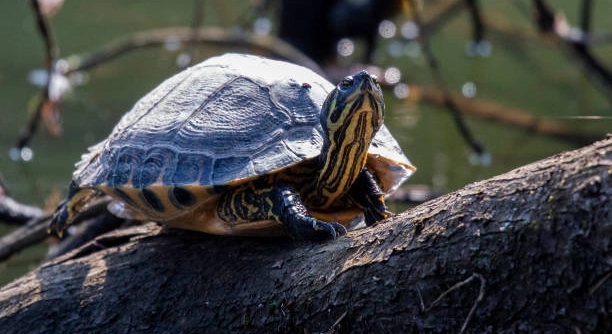
If you have a yellow-bellied slider, you may notice that it isn’t using its basking platform as expected. This behavior can be puzzling for owners who want to ensure their pet is happy and healthy.
The primary reason your yellow-bellied slider is not using its basking platform could be due to water temperature, inadequate lighting, or stress. These factors can influence its basking behavior, causing your turtle to avoid the platform altogether.
Understanding why your slider isn’t basking properly can help you address its needs and improve its environment, ensuring its comfort and health.
Why Basking is Important for Your Yellow-Bellied Slider
Basking is essential for your yellow-bellied slider as it helps regulate body temperature, aids in the digestion of food, and promotes overall health. Turtles are ectothermic animals, meaning they rely on external heat sources to maintain their body temperature. When your slider basks, it absorbs UVB rays, which are crucial for the production of vitamin D3. This vitamin helps your turtle absorb calcium, contributing to strong bones and a healthy shell. Without regular basking, your turtle’s health can decline, and it may even develop shell deformities. Therefore, understanding the factors that influence your slider’s basking habits is important for its well-being.
There are a few common reasons why a yellow-bellied slider may avoid basking, such as water temperature, insufficient UVB light, or stress. These factors can make your turtle uncomfortable or uninterested in using the basking platform.
One of the first things to check is the water temperature. Yellow-bellied sliders prefer water temperatures between 75°F and 80°F (24°C to 27°C). If the water is too warm or too cold, your turtle may avoid basking, as it won’t feel the need to regulate its temperature. Additionally, ensure that the basking area is positioned correctly to receive adequate light. UVB light plays a key role in your turtle’s health, so make sure the bulb is not expired and provides the right amount of exposure. Adjusting the temperature of both the water and basking area may encourage your turtle to bask more often.
How Stress Affects Your Turtle’s Behavior
Stress can be a major reason your slider is not basking. When a turtle feels stressed, it may withdraw and avoid areas where it feels exposed or vulnerable.
Stress in yellow-bellied sliders can stem from various sources, including overcrowded tanks, constant noise, or frequent handling. Your slider may also feel stressed if its basking platform is too small or placed in an uncomfortable position. Make sure the tank environment is quiet and calm, and avoid disturbing your turtle too often. A larger platform that offers multiple hiding spots can give your slider the sense of security it needs. Additionally, ensure that the tank’s water quality is good. Dirty or unfiltered water can cause discomfort and stress, affecting your turtle’s behavior. By removing stress factors, your slider may feel more comfortable using its basking platform again.
Water Quality and Its Impact on Basking
Water quality plays a significant role in your slider’s behavior, including its tendency to bask. Poor water quality can lead to stress and discomfort, causing your turtle to avoid its basking platform.
Make sure your turtle’s water is clean and free from toxins. Use a good filtration system to keep the water clear and change it regularly. High levels of ammonia or nitrate can irritate your turtle, leading to health problems and behavioral changes. Also, check the pH levels to ensure they are within the appropriate range. Keeping the water clean will help reduce stress and encourage your turtle to bask more frequently.
A tank with low water quality can also affect your slider’s appetite and overall energy levels. When a turtle doesn’t feel well in its environment, it may lose interest in basking. Regular water changes, along with maintaining proper filtration, can ensure your turtle stays comfortable and healthy. Keeping the water free of harmful chemicals and debris is essential for promoting your turtle’s basking habits.
Tank Size and Its Influence on Behavior
A cramped tank can make your yellow-bellied slider feel uncomfortable and stressed. A lack of space will not only prevent your turtle from properly basking but also impact its overall well-being.
Make sure your tank is large enough to allow your slider to move freely. A tank that is at least 40 gallons is ideal for one adult yellow-bellied slider. A larger space will also give your turtle the freedom to explore and feel more secure. If the tank is too small, your turtle may feel trapped, leading to anxiety and avoidance of the basking platform.
By providing ample space, you allow your turtle to create a comfortable environment where it can both swim and bask. The addition of rocks or plants can offer natural hiding spots, which will help your slider feel more at ease. A spacious tank contributes to overall happiness and encourages healthy basking behavior.
Lighting Issues and Basking Behavior
Inadequate lighting can affect your slider’s basking habits. UVB light is essential for your turtle’s health, and without it, it may not be motivated to bask.
Ensure your slider has access to both UVB and UVA lighting. UVB light helps in vitamin D3 synthesis, and UVA light supports overall well-being. A proper UVB light source should cover the basking area. Replace the bulbs regularly, as their effectiveness decreases over time. Without the right lighting, your turtle might avoid basking, resulting in health problems.
Temperature Discomfort
Temperature is a critical factor in whether your turtle uses the basking platform. Your slider requires both warm water and a heat source for basking.
The basking area should be 88°F to 92°F (31°C to 33°C), while the water temperature should be kept between 75°F and 80°F (24°C to 27°C). If the temperature is off, your turtle will be uncomfortable and may avoid basking altogether. You can use a water heater and a heat lamp to maintain the proper temperatures in your tank. Keeping the temperature stable will encourage your slider to bask more often.
Tank Decorations and Access to the Platform
The layout of the tank, including the placement of decorations, plays a role in whether your slider will use its basking platform.
Too many decorations or poor placement of the platform can make it hard for your turtle to access the basking area. The platform should be easily reachable, without any obstacles blocking its path. Ensure the ramp is at an appropriate angle, making it easy for your turtle to climb. If there are plants or rocks in the way, remove them to give your turtle clear access to the platform.
FAQ
Why is my yellow-bellied slider not using its basking platform?
If your yellow-bellied slider is not using its basking platform, it may be due to various factors such as improper water temperature, insufficient lighting, stress, or poor water quality. These issues can make your turtle uncomfortable, leading it to avoid the platform. Ensure the water temperature is between 75°F and 80°F (24°C to 27°C) and the basking area is 88°F to 92°F (31°C to 33°C). Providing a proper UVB light source is also essential for your slider’s health. Additionally, reduce stressors in the environment, such as overcrowding, excessive noise, or poorly placed tank decorations.
How often should I change the water in my turtle’s tank?
Changing the water in your turtle’s tank is important for maintaining water quality. You should change about 25-50% of the water every week, depending on the tank size and filtration system. A good filtration system can help maintain clean water, but regular water changes are still necessary to remove waste, uneaten food, and toxins. If your turtle is swimming in dirty water, it may feel stressed and avoid basking. A clean tank helps maintain a healthy environment and encourages your turtle to use its basking platform.
What type of lighting does my turtle need?
Yellow-bellied sliders require both UVB and UVA lighting to stay healthy. UVB lighting is crucial for the production of vitamin D3, which helps your turtle absorb calcium and maintain strong bones and a healthy shell. UVA lighting provides general well-being and promotes activity. The UVB light should cover the entire basking area and be replaced every 6-12 months, as its effectiveness decreases over time. Place the UVB bulb 8-12 inches above the basking platform for optimal exposure. Ensure your turtle gets 10-12 hours of light daily and 12-14 hours of darkness for a proper day-night cycle.
How do I know if my turtle’s tank is the right size?
The tank size is important for your turtle’s overall health and well-being. A 40-gallon tank is a good starting point for one adult yellow-bellied slider. If you have more than one turtle, you will need a larger tank. Turtles need space to swim and explore, and a small tank can cause stress and prevent your turtle from basking properly. Make sure the tank is big enough to accommodate both the water and the basking area. Having enough space will help reduce stress and promote healthy basking behavior.
Can I use a regular light bulb for my turtle’s basking area?
No, a regular light bulb will not provide the necessary UVB radiation that your turtle needs. For proper basking, you should use a heat lamp designed specifically for reptiles. These lamps provide the necessary warmth and UVB light that your turtle requires. Standard household bulbs do not emit the UVB rays that are essential for your turtle’s health. Make sure to invest in a high-quality UVB lamp and replace it regularly to ensure your turtle gets the proper exposure.
How can I reduce stress for my yellow-bellied slider?
Reducing stress for your yellow-bellied slider involves creating a calm and comfortable environment. First, ensure the tank is not overcrowded, as too many turtles can create competition for space and food. Avoid constant handling, as this can make your turtle feel vulnerable. Ensure the tank has hiding spots, such as rocks or plants, to give your turtle a sense of security. Keep the tank in a quiet location, away from loud noises or heavy foot traffic. A clean, spacious tank with appropriate temperature and lighting will also reduce stress and encourage basking.
What should I do if my turtle refuses to bask?
If your turtle refuses to bask, start by checking the temperature of both the water and the basking area. Ensure that the basking platform is at the right temperature, between 88°F and 92°F (31°C to 33°C). If the water is too warm or too cold, your turtle may not feel the need to bask. Check the lighting as well—ensure the UVB light is strong enough and placed properly. If these conditions are correct and your turtle is still avoiding the platform, it may be due to stress or poor water quality. Clean the tank and check for any other stressors in the environment.
How can I tell if my turtle is sick?
Signs of illness in your turtle include changes in behavior, such as lethargy, loss of appetite, or avoidance of the basking platform. If your turtle’s shell looks soft, discolored, or swollen, it may indicate a health problem. Respiratory issues, such as wheezing or open-mouth breathing, can also be signs of illness. If your turtle is constantly hiding or has difficulty swimming, it may be experiencing health problems. If you notice any of these signs, consult a veterinarian who specializes in reptiles to get an accurate diagnosis and proper treatment.
Do yellow-bellied sliders need to bask every day?
Yes, yellow-bellied sliders need to bask every day for their health. Basking helps them regulate their body temperature and provides essential UVB exposure, which is necessary for calcium absorption and shell health. Without regular basking, your turtle could develop health problems, such as metabolic bone disease or shell deformities. Your turtle should have access to a basking platform for several hours each day. Ensuring the right temperature and lighting will encourage your turtle to use the basking area as needed.
Why is my turtle not eating?
If your turtle is not eating, it could be due to a variety of factors, such as stress, improper water temperature, or illness. If the water temperature is too high or too low, your turtle may lose its appetite. Stressors in the environment, like overcrowding or loud noises, can also cause a lack of interest in food. Additionally, if your turtle is sick or dealing with an infection, it may stop eating. If the problem persists, it’s best to consult a reptile vet to ensure there are no underlying health issues.
How often should I feed my yellow-bellied slider?
Young yellow-bellied sliders should be fed every day, while adult turtles can be fed every other day. A varied diet is important for your turtle’s health. Offer a combination of commercial turtle pellets, leafy greens, and occasional treats like mealworms or crickets. Be sure to provide a balanced diet that includes both protein and vegetables to ensure your turtle gets the proper nutrients. Overfeeding can lead to obesity, so make sure you offer appropriate portions based on your turtle’s size and age.
Can my turtle’s basking platform be too small?
Yes, if the basking platform is too small, it can limit your turtle’s ability to rest and regulate its body temperature properly. Your turtle should have enough space to stretch out comfortably and completely dry off while basking. If the platform is cramped or poorly positioned, your turtle may avoid it. Make sure the platform is large enough to accommodate your turtle, with a gentle ramp for easy access. Providing a larger basking area will encourage your turtle to bask more frequently.
Final Thoughts
Understanding why your yellow-bellied slider may not be using its basking platform can help improve its overall health and well-being. Turtles, like all pets, rely on a stable and comfortable environment to thrive. By addressing factors such as water temperature, lighting, and tank cleanliness, you can create an ideal habitat that encourages your turtle to bask regularly. It’s essential to monitor their behavior closely and ensure that their needs are being met consistently. A turtle that avoids basking may be signaling that something in its environment is off. By adjusting the tank conditions and minimizing stress, you can often resolve these issues.
The key to a healthy yellow-bellied slider is a balance between the right temperature, lighting, and water quality. Providing a well-maintained basking area with proper UVB lighting is critical for their growth and shell health. Keeping the water clean and at the correct temperature ensures that your turtle stays comfortable and less stressed. Stress can be a major deterrent for turtles when it comes to basking. Small changes to the tank setup, such as offering a larger basking platform or reducing disturbances around the tank, can make a big difference. Regular observation and adjustments to the environment are vital for creating a space where your turtle can thrive.
Overall, taking the time to carefully adjust and monitor your yellow-bellied slider’s environment can lead to a healthier and happier pet. Addressing the common reasons why your turtle may avoid the basking platform, such as temperature issues or tank stress, will help encourage regular basking. Regular maintenance of your turtle’s habitat not only supports its physical health but also fosters a more content and relaxed behavior. With the right care and attention, your yellow-bellied slider can enjoy its basking platform and remain active and healthy for years to come.

Hello,
If you enjoy the content that we create, please consider saying a "Thank You!" by leaving a tip.
Every little bit helps us continue crafting quality advice that supports the health, happiness, and well-being of pets around the world, for pets of all shapes, sizes, and species.
We really appreciate the kindness and support that you show us!