
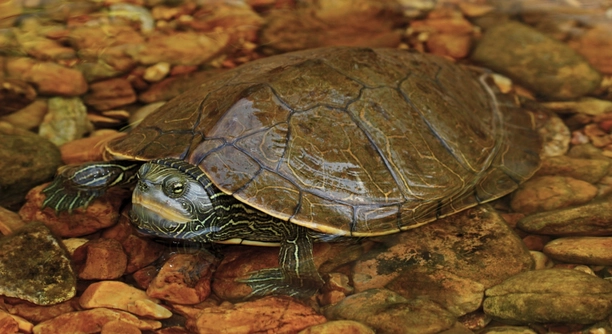
Map turtle tanks can develop unpleasant odors quickly, making it a common concern for turtle owners. Understanding the causes of this issue can help you maintain a clean and healthy environment for your turtles.
The primary reasons map turtle tanks develop odors quickly include improper filtration, overfeeding, infrequent water changes, and the accumulation of waste. Without regular maintenance, these factors can cause the water to become polluted and smelly.
Learning more about the causes of these odors can help you prevent them and keep your turtle’s habitat clean. Proper care and maintenance are essential for both the health of your turtles and the cleanliness of their environment.
Lack of Proper Filtration
A good filtration system is essential for a clean tank. When the filter is too weak or not maintained properly, it cannot remove waste effectively. This leads to the buildup of excess debris, leftover food, and waste from your turtles. As these materials break down, they release unpleasant odors. Regularly cleaning the filter and replacing it when needed can help prevent these issues.
A poor filtration system can cause serious problems with water quality. Without it, waste accumulates quickly, leading to bad smells.
To ensure the filter works properly, clean it at least once a month and check for any blockages. Replace the filter media regularly according to the manufacturer’s recommendations. A strong filtration system, along with a proper tank setup, will greatly reduce the chances of foul odors.
Overfeeding and Leftover Food
Feeding your map turtle more than it can consume contributes to the smell in the tank. Leftover food decomposes and adds to the dirty water.
Overfeeding your turtle can lead to leftover food rotting in the water, causing bad smells. This excess food also worsens the water quality, promoting bacteria growth. It is essential to feed your turtle just enough food it can finish in a few minutes. Any uneaten food should be removed promptly to prevent it from deteriorating and affecting the water. You can also try feeding in a separate container to keep the tank cleaner.
Infrequent Water Changes
Not changing the water often enough can lead to a stinky tank. Over time, waste, uneaten food, and natural debris accumulate. Even with a good filter, the water will eventually get too dirty and start to smell.
Water should be changed regularly to keep the environment healthy. Aim for a 25-30% water change every week to maintain good water quality. Doing this helps remove harmful bacteria and prevent the growth of algae, which can also contribute to foul odors. If you notice a bad smell, consider increasing the frequency of water changes.
In addition to changing the water, it’s important to clean the tank during each water change. Scrub the walls to remove any algae buildup and vacuum the substrate to remove leftover debris. This routine will not only help eliminate odors but also keep the turtles in a cleaner and healthier environment. Pay close attention to hidden spots where waste may collect, such as corners or under decorations.
Accumulation of Waste
When waste isn’t cleaned up frequently, it builds up and causes smells. Turtle waste can easily accumulate in the tank, leading to poor water quality.
It’s vital to remove waste as soon as possible. Not only does this keep the tank smelling fresh, but it also prevents harmful toxins from building up in the water. Using a fish net or a siphon to clean the tank regularly will help keep waste at bay. You can also place a substrate in the tank that is easy to clean and doesn’t trap waste particles.
Cleaning the tank thoroughly and consistently is key to maintaining a healthy environment. The longer waste sits in the tank, the more difficult it is to remove, and the stronger the odor becomes. By staying on top of regular tank maintenance, you can avoid the buildup of waste and the foul smells that come with it.
Poor Tank Setup
A poor tank setup can trap waste and create a breeding ground for bacteria. When the tank lacks proper decorations, substrate, or hiding places, waste tends to accumulate in certain areas. This leads to dirty, smelly water.
Having a proper tank setup ensures that waste is spread out and doesn’t collect in one place. It’s important to provide enough space for the turtles to move around freely, while also offering hiding spots to reduce stress. A tank with proper substrate allows waste to be easier to clean up, preventing odor buildup. Using materials that are easy to clean can make a big difference.
Additionally, having the right kind of substrate can help with water quality. Gravel or sand works best for turtles because it’s easy to remove waste from the surface. Using a substrate that traps waste can make cleaning difficult and lead to smells.
Inconsistent Tank Temperature
Fluctuations in tank temperature can affect the cleanliness of your turtle’s habitat. A tank that’s too warm or too cold creates stress and encourages bacterial growth.
Maintaining a steady tank temperature is important for both the turtles’ well-being and the water quality. A temperature of 75-80°F is ideal for map turtles. When the tank is too warm, it can promote the rapid growth of bacteria, which leads to odors. A stable temperature helps maintain a healthy environment and slows down bacterial activity, keeping smells under control.
FAQ
How often should I clean my map turtle’s tank?
It’s important to clean your map turtle’s tank regularly. Aim for a full clean every 1-2 weeks, which includes removing waste, scrubbing the tank walls, and replacing a portion of the water. In addition, make sure to clean the filter and check for any debris in hard-to-reach places. The more often you clean, the less likely odor will develop.
Can I use chemicals to remove tank odor?
It’s better to avoid using chemicals specifically for odor removal. While they might mask the smell temporarily, they don’t address the root cause. Focus on regular tank maintenance, such as cleaning waste and performing water changes. If you use chemicals, make sure they’re safe for your turtles and their environment.
Why does my turtle’s tank smell even after cleaning?
If your turtle’s tank smells even after cleaning, it could be due to the filter not working properly, overfeeding, or not cleaning all hidden areas of the tank. Waste often builds up in corners or under decorations, so it’s crucial to clean thoroughly. Check your filtration system to ensure it’s adequate for your tank size.
How can I tell if my filter is working correctly?
A properly working filter should keep the water clear and free from visible debris. If the water looks murky or smells bad, your filter might not be working well. Clean or replace the filter media regularly and ensure the filter is sized correctly for your tank. If it’s still not working, consider upgrading to a more powerful filter.
Does the type of substrate affect tank odor?
Yes, the type of substrate can affect how odors develop. Gravel and sand are ideal for map turtles because they allow waste to be cleaned up easily. Avoid using substrates that trap waste or are difficult to clean. Regular cleaning is essential, no matter what type of substrate you use.
How can I prevent overfeeding my map turtle?
To prevent overfeeding, offer your turtle only the amount of food it can eat in 5-10 minutes. Remove any uneaten food after this time to avoid it decomposing and causing odors. Stick to a regular feeding schedule, and don’t be tempted to give extra food, even if your turtle seems hungry.
Should I remove decorations when cleaning the tank?
Yes, when cleaning the tank, remove all decorations to scrub them properly. Decorations can trap waste and become a hiding place for bacteria, which leads to odors. Clean them thoroughly with a safe, non-toxic cleaner or hot water to remove any buildup. Be sure to dry them properly before returning them to the tank.
How do I reduce the growth of algae in my turtle tank?
To reduce algae growth, make sure your tank isn’t exposed to too much light. Algae thrive on light, so try to place the tank away from direct sunlight or use a timer to limit the light exposure. Regular water changes and keeping the tank clean will also help prevent algae growth.
Can I use a tank vacuum to clean the substrate?
Yes, using a tank vacuum is a great way to clean the substrate. It helps remove waste and debris from the bottom of the tank without disturbing the turtles too much. Make sure to use a vacuum designed for aquariums to avoid damaging the tank’s ecosystem.
Do I need to add water treatments to my turtle tank?
In most cases, water treatments are not necessary if you maintain a proper cleaning routine. However, if you have particularly hard water or notice water quality issues, you may use water conditioners designed for turtle tanks. Always follow the manufacturer’s instructions and make sure the product is safe for your turtles.
How can I keep my turtle’s tank from smelling during hot weather?
During hot weather, the water temperature in the tank may rise, which can cause bacteria to grow more quickly. To prevent odors, make sure the tank has a reliable filtration system and that you’re doing frequent water changes. You might also need to adjust the heater or cooling system to maintain an optimal temperature.
Should I add live plants to my turtle tank?
Live plants can help improve water quality by absorbing excess nutrients and providing hiding spots for your turtles. They can also enhance the overall look of the tank. However, some turtles may nibble on plants, so choose species that are safe for turtles and can withstand some nibbling.
What are the signs that my turtle’s tank needs more attention?
Signs that your turtle’s tank needs more attention include cloudy or murky water, visible waste, a strong odor, or stressed turtles. If your turtles seem more lethargic or their shells appear dirty, it’s time to clean the tank more thoroughly and possibly check the filtration system.
How do I prevent mold or fungus in my turtle tank?
Mold and fungus thrive in damp, poorly-maintained environments. To prevent them, maintain a clean tank with proper filtration and water changes. Make sure the tank is not overly humid, and avoid leaving uneaten food or waste sitting in the tank for long periods. Inspect decorations and substrate for any signs of mold and clean them promptly.
Is it normal for my turtle’s tank to smell after feeding?
It’s normal for a tank to have a slight smell after feeding, especially if there is leftover food. However, the smell should dissipate once the food is cleaned up. If the smell lingers, it could indicate overfeeding, poor filtration, or the need for more frequent water changes.
Final Thoughts
Keeping your map turtle’s tank free of odors requires regular care and attention. One of the most important things to focus on is maintaining good water quality. This means doing water changes on a regular schedule, cleaning the filter, and removing waste as soon as possible. Without this routine maintenance, the tank will quickly become a breeding ground for bacteria, leading to unpleasant smells. A clean tank is also essential for the health of your turtles, as poor water quality can lead to stress and illness.
Another key factor is not overfeeding your turtles. Leftover food will decompose and add to the tank’s odor. Feeding your turtle just enough food that it can consume in a few minutes helps keep the water cleaner. If there’s any uneaten food, remove it promptly to prevent it from breaking down. A good feeding schedule also prevents overfeeding and reduces waste in the tank, making it easier to manage. By controlling the amount of food and waste, the tank’s environment stays healthier and odor-free.
Finally, paying attention to the overall tank setup and temperature can also help reduce odors. Providing proper filtration, a suitable substrate, and hiding spots for your turtles will ensure that waste doesn’t accumulate in one area. Keeping the water temperature stable also helps control bacteria growth. By staying on top of these factors, you can maintain a clean and healthy habitat for your map turtle, ensuring it stays free of unpleasant smells and comfortable.

Hello,
If you enjoy the content that we create, please consider saying a "Thank You!" by leaving a tip.
Every little bit helps us continue crafting quality advice that supports the health, happiness, and well-being of pets around the world, for pets of all shapes, sizes, and species.
We really appreciate the kindness and support that you show us!