
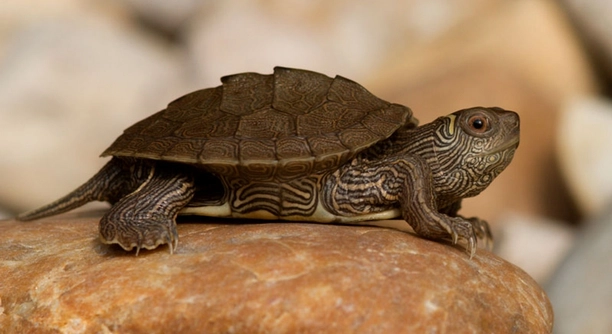
Seasonal changes affect many aspects of animal behavior, and map turtles are no exception. Their activity levels and habits can fluctuate based on temperature, daylight, and available resources throughout the year. Understanding these changes is key to their well-being.
Map turtles are highly influenced by the seasons. During warmer months, they are more active, basking in the sun and feeding. As temperatures drop in colder months, they enter a state of dormancy or reduced activity to survive.
These seasonal shifts impact everything from their feeding habits to their reproductive behaviors. Understanding the timing of these changes can help ensure they thrive year-round.
How Temperature Affects Map Turtle Behavior
Map turtles, like many reptiles, are cold-blooded, meaning their body temperature depends on their environment. During the warmer months, they are more active, spending time basking in the sun to regulate their body heat. This sunlight is crucial for their metabolism and overall health, helping them digest food properly. They are often seen basking on logs or rocks, soaking up the warmth. As the temperature drops, their activity levels significantly decrease. This change can be noticed as they begin spending more time underwater or in shaded areas.
The drop in temperature signals their body to slow down. As the cooler months approach, map turtles’ metabolic processes slow. Their feeding habits reduce, and they become less active. When the water temperature drops significantly, map turtles enter a state called brumation, which is similar to hibernation. In brumation, they become less responsive and might stay submerged in the water for extended periods.
During brumation, map turtles require very little food. They don’t completely stop breathing or moving but remain in a low-energy state to conserve resources. This is a crucial period for their survival, as they can endure the colder months without much activity. Brumation helps them survive through winter, especially when food sources are scarce. When the weather warms again, their activity picks back up, and they resume normal feeding and basking routines.
Daylight and Map Turtle Behavior
As the seasons change, daylight also impacts map turtle behavior.
Turtles are highly sensitive to the length of daylight, which plays a role in regulating their biological rhythms. Longer days in spring and summer encourage map turtles to become more active, spending more time basking and feeding. As days shorten in fall, they begin preparing for the upcoming cold season.
How Weather Changes Influence Map Turtles
Map turtles are sensitive to sudden weather changes, especially those involving rain. Heavy rainfall can alter their environment by increasing water levels and changing water temperatures. This can cause map turtles to become more active, swimming around in search of higher ground or better basking spots.
In rainy weather, they may leave their usual basking sites and explore new areas. They seem to take advantage of these temporary shifts, seeking shelter or finding food. This can lead to changes in their feeding habits as well, as they may hunt for different types of prey that become more accessible after rainstorms.
Additionally, during rainy periods, water clarity can decrease, making it harder for map turtles to spot prey. Despite this, they often increase their hunting activity, relying more on their other senses to track food. As the weather stabilizes, their behavior returns to normal, and they resume their typical basking and feeding routines.
Impact of Water Quality on Map Turtle Behavior
Map turtles rely heavily on the quality of the water around them. Poor water quality can cause them to behave differently.
When the water is murky or polluted, map turtles may spend more time on land or near the surface to avoid the harmful effects of dirty water. They might also become more cautious in their movements, possibly seeking cleaner areas for basking and feeding. If the water becomes too contaminated, it can lead to health issues, further decreasing their activity.
Seasonal Food Availability and Map Turtle Behavior
As the seasons change, the availability of food sources for map turtles fluctuates. In warmer months, there is an abundance of insects, fish, and plants, which encourages active feeding.
During colder months, food becomes scarcer. Map turtles slow down their feeding habits as a result, entering a state where they rely on their energy reserves. This seasonal change leads to a noticeable decrease in activity.
The Role of Water Temperature
Water temperature has a significant impact on map turtle behavior.
Colder water forces map turtles to become less active, conserving energy and relying on stored body fat. When water temperatures rise, they become more active, seeking out food and basking spots. Warmer waters allow them to stay active and continue their regular routines.
FAQ
How do map turtles prepare for the winter?
Map turtles prepare for winter by entering a state called brumation. As temperatures drop, their activity levels slow down significantly. They find shelter in deep water or in mud, where they remain inactive for long periods. During this time, they rely on the energy stored in their bodies to survive. They don’t eat or drink much and may only come to the surface occasionally for air. This state of dormancy helps them conserve energy during the colder months when food is hard to find.
How can I tell if my map turtle is in brumation?
When a map turtle enters brumation, you will notice a dramatic decrease in its activity. It will spend more time submerged or resting in a sheltered area, and its appetite will greatly reduce. It may not move much at all and might be less responsive to your presence. Unlike hibernation in mammals, brumation still allows for slow, shallow breathing, but the turtle’s body temperature will drop along with the surrounding environment. A map turtle in brumation may stay submerged for weeks without eating, so it’s crucial not to disturb it unnecessarily.
Do map turtles need to eat during the colder months?
Map turtles eat significantly less during the colder months. In the wild, their food sources become limited, and they enter a state of reduced activity, relying on stored energy to survive. While they may occasionally eat small amounts of food if it is available, their metabolism slows down dramatically during this time. Feeding them while they are in brumation is not necessary, and it can cause digestive issues. It’s best to allow them to rest during this period.
How do I care for a map turtle during brumation?
If you’re caring for a map turtle in captivity during brumation, the most important factor is ensuring that the water temperature drops to around 50°F (10°C) and remains stable. Lowering the light levels and reducing feeding are crucial during this time. Map turtles in brumation do not need to be fed and should be left alone to rest. Avoid handling them or disturbing their environment. Ensure the water quality is clean and that there are no threats in their habitat that could disrupt the brumation process.
Can map turtles brumate in a tank?
Yes, map turtles can brumate in a tank, but certain conditions must be met. You should gradually lower the water temperature in the tank to about 50°F (10°C) to mimic natural conditions. It’s important to have a deep area in the tank where they can bury themselves in the substrate if they choose. The light cycle should also be reduced to simulate the shorter days of winter. During this time, you should monitor the turtle to ensure it remains healthy and safe while brumating.
What happens if I don’t let my map turtle brumate?
If a map turtle doesn’t undergo brumation when it naturally should, it can lead to stress or health problems. Brumation is a natural survival mechanism that allows the turtle to rest and conserve energy for the next active season. Without this period of rest, the turtle’s metabolism may not regulate properly, leading to potential issues like weakened immune function, abnormal growth, and premature aging. Some map turtles may also become more aggressive or lethargic if they do not get the necessary rest.
How do map turtles behave in the spring?
In the spring, as temperatures warm up, map turtles become more active. They emerge from brumation, and their metabolism speeds up, increasing their appetite and activity levels. They begin basking more often to regulate their body temperature, which helps with digestion. In the wild, the increased warmth and available food sources motivate them to resume their feeding and social behaviors. Map turtles may also start searching for mates as they enter their breeding season during the warmer months.
Can map turtles be kept in the same enclosure as other turtles?
Map turtles can sometimes be kept in the same enclosure as other turtles, but it’s important to consider their individual needs. Different species of turtles may have different habitat requirements, so it’s best to provide ample space, basking areas, and food. Map turtles are generally peaceful, but some species may become territorial or aggressive, especially if they feel crowded or stressed. It’s crucial to monitor them carefully and ensure that their environmental conditions remain suitable for all turtles in the enclosure. Providing enough hiding spaces and access to food can help minimize conflicts.
How long do map turtles live?
Map turtles can live a long time, often reaching 20 to 30 years in the wild. In captivity, they can live even longer with proper care, sometimes reaching 40 years or more. Their lifespan depends on factors like diet, habitat, and overall health. To ensure a long and healthy life, it’s important to maintain a proper diet, keep their living environment clean, and provide them with enough space to bask and swim. Regular health checkups can help prevent illnesses that might shorten their lifespan.
What is the best diet for map turtles?
Map turtles are omnivorous, meaning they eat a variety of foods, including both animal and plant matter. Their diet in the wild consists mainly of insects, small fish, and aquatic plants. In captivity, they can be fed a balanced diet of commercial turtle food, supplemented with live or frozen insects, fish, and leafy greens. It’s important to offer a variety of food items to ensure they get all the necessary nutrients. Avoid feeding them too much protein, as an imbalanced diet can lead to health issues. Also, always provide access to clean, fresh water for hydration.
Final Thoughts
Understanding how seasonal changes affect map turtle behavior is key to keeping them healthy and happy. As the weather shifts, these turtles adjust their habits to cope with temperature changes, food availability, and light cycles. During warmer months, they are more active, basking in the sun and feeding regularly. When the cold weather arrives, map turtles slow down, entering a state of brumation that helps them conserve energy. Knowing these patterns helps owners provide the right care at the right time.
Map turtles are resilient creatures, but they rely on their environment to thrive. Proper care means being aware of how changes in the seasons can affect them. For example, ensuring their tank temperature mimics natural conditions helps during their brumation period. Offering a proper diet during the active months supports their energy levels. By observing their behavior closely, you can help them adjust to seasonal changes with ease, leading to a healthier and happier turtle.
Seasonal care might feel like a lot of work at first, but it’s all about making small adjustments. As long as you know the basic patterns of map turtle behavior throughout the year, you can provide an environment where they can thrive. Whether it’s adjusting their habitat for winter brumation or making sure they get enough sunlight in the warmer months, these small actions can have a big impact. Map turtles are fascinating creatures that reward attentive care, making the effort well worth it.

Hello,
If you enjoy the content that we create, please consider saying a "Thank You!" by leaving a tip.
Every little bit helps us continue crafting quality advice that supports the health, happiness, and well-being of pets around the world, for pets of all shapes, sizes, and species.
We really appreciate the kindness and support that you show us!