
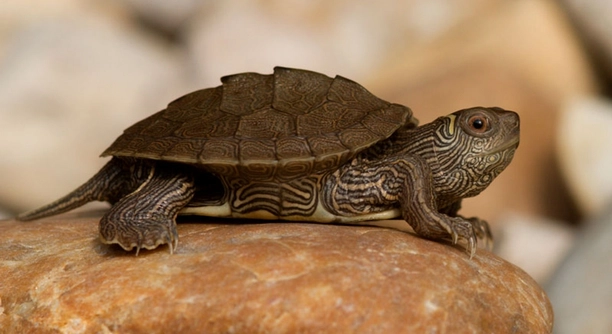
Map turtles are known for spending most of their time in water, but sometimes they seem reluctant to leave it. If you notice your turtle staying in the water longer than usual, there may be a reason behind it.
The most common reasons why your map turtle won’t come out of water include environmental stressors, temperature fluctuations, and improper habitat setup. These factors can create discomfort, making the turtle feel safer staying submerged.
Addressing these issues can help your turtle feel more comfortable out of the water. The following solutions will help guide you in creating a better environment for your map turtle.
Improper Water Temperature
If the water temperature isn’t just right, your map turtle may prefer staying submerged. These turtles are sensitive to temperature changes. If the water is too cold, they’ll be reluctant to leave, as they rely on warmth for digestion and overall health. The ideal water temperature for map turtles is between 72°F and 78°F.
A water temperature that is too warm can also cause your turtle to stay underwater for long periods. While map turtles are comfortable in warmer temperatures, excessive heat can stress them, leading them to avoid basking. The key is balance.
To maintain an ideal environment, invest in a reliable water heater. Ensure the heater maintains a consistent temperature to prevent fluctuations. Regularly check the water’s warmth with a thermometer to keep it within the recommended range, making sure your turtle has the perfect conditions to feel comfortable both in and out of the water.
Insufficient Basking Area
If there is no proper basking area, your map turtle will have little incentive to leave the water.
A proper basking spot is essential for your turtle’s well-being. It provides a dry area for your turtle to rest and soak up heat, which is vital for proper digestion and overall health. Without a suitable basking platform, the turtle will stay submerged longer than necessary.
To fix this, make sure the basking area is easy for your turtle to access. It should be dry, elevated, and large enough for your turtle to stretch out comfortably. You can use rocks, logs, or specialized basking docks for this purpose. Ensure that the area is also well-lit by a UVB light to aid in vitamin D synthesis, helping your turtle stay healthy and active.
Water Quality Issues
If your map turtle’s water isn’t clean, it can lead to reluctance in leaving the water. Poor water quality affects both their health and comfort. Dirty water may irritate their skin or eyes, making them feel safer staying submerged.
A high level of debris, waste, or chemicals in the water can stress your turtle, preventing them from feeling at ease. To improve water quality, make sure you’re using a reliable filtration system. Clean the water regularly and replace it when necessary. Keeping the water clear and free of harmful toxins will help encourage your turtle to come out more often.
In addition to filtering the water, perform partial water changes every week. This will help maintain clean, fresh water and ensure your turtle stays healthy. Test the water regularly for ammonia, nitrate, and nitrite levels to avoid any chemical imbalances that could deter your turtle from basking.
Stress Factors
Map turtles are sensitive creatures, and stress can easily keep them in the water. Factors like noise, movement, or overcrowding in their enclosure can cause anxiety. When stressed, they may avoid basking and remain submerged for longer periods.
Create a peaceful environment by limiting disturbances. Place the tank or enclosure in a quiet area of your home, away from loud noises or heavy foot traffic. If you have multiple turtles, ensure their living space is large enough to give them enough personal space. Overcrowding can lead to stress and competition, encouraging them to hide in the water.
Remember that stress can also be triggered by improper handling. Avoid frequent interaction unless necessary and respect their need for quiet and personal space. A calm environment will help your turtle feel safer and more willing to explore both land and water.
Illness or Injury
If your map turtle is unwell or injured, it may stay in the water to feel safer. Illnesses or injuries can make it hard for them to bask. They might prefer the water’s buoyancy or the cooler temperature to avoid further discomfort.
Keep an eye on their behavior and look for signs of distress, such as lethargy or difficulty moving. If you notice anything unusual, it’s crucial to consult with a veterinarian. Addressing health issues quickly will help your turtle recover and feel more comfortable out of the water.
Inadequate Lighting
Proper lighting is essential for your turtle to feel confident and healthy when basking.
Without enough UVB light, your turtle may not get the vitamin D it needs. This can result in poor shell growth and weakened bones, leading to reluctance to leave the water. Place a UVB bulb over the basking area to encourage them to come out of the water.
Make sure the light is positioned correctly, as map turtles need both UVA and UVB exposure for proper health. A proper lighting schedule of 10-12 hours per day helps keep your turtle active and encourages more time spent out of the water.
Tank Size
Map turtles need space to feel comfortable, and a small tank can make them feel cramped, keeping them in the water.
A tank that’s too small can lead to stress and discomfort, causing your turtle to remain in the water longer than usual. Map turtles should have a tank with a minimum size of 40 gallons for one turtle. This ensures they have enough space to swim and bask comfortably.
A larger tank provides room for them to move around, creating a more natural environment. It also allows you to create a better basking area, giving your turtle the freedom to choose when and where it feels safe to leave the water.
FAQ
Why does my map turtle stay in the water all the time?
Your map turtle may prefer staying in the water for various reasons, such as improper water temperature, water quality issues, or an inadequate basking area. These turtles feel safest in water, and if conditions aren’t optimal for basking, they’ll stay submerged. Stress factors, health problems, or even a small tank can also contribute to this behavior. Ensuring the right temperature, clean water, a good basking spot, and a peaceful environment will encourage your turtle to spend more time outside the water.
How do I create a proper basking area for my map turtle?
To create a proper basking area, choose a dry, elevated platform that your turtle can easily climb onto. You can use rocks, logs, or a commercial basking dock. The platform should be placed under a UVB light so your turtle can absorb the necessary sunlight to stay healthy. Make sure the area is large enough for your turtle to stretch out and bask comfortably. Regularly clean the basking area to prevent bacteria buildup and ensure your turtle’s comfort.
What is the ideal water temperature for map turtles?
Map turtles require water temperatures between 72°F and 78°F. Keeping the water too cold can cause your turtle to avoid basking. On the other hand, if the water is too warm, it can lead to stress. Use a reliable water heater to maintain a consistent temperature and regularly check the water with a thermometer to ensure it remains within the ideal range. This will help your turtle feel comfortable and encourage it to leave the water more often.
Can my map turtle live in a tank without a filter?
It’s not ideal to keep your map turtle in a tank without a filter. A good filtration system is crucial for maintaining clean water and removing waste. Without a filter, the water quality will degrade quickly, leading to potential health problems for your turtle and making it more likely to stay in the water. Invest in a powerful filter that is suitable for the size of your turtle’s tank and clean the water regularly.
How can I reduce stress for my map turtle?
Stress can keep your map turtle in the water. To reduce stress, ensure your turtle has a peaceful environment. Keep its enclosure away from loud noises and heavy foot traffic. Avoid overcrowding, as too many turtles can lead to competition and tension. Make sure the tank is large enough for your turtle to move around comfortably. Avoid frequent handling, as this can also be stressful. Providing a quiet and spacious environment will encourage your turtle to feel safe and leave the water more often.
Why does my map turtle avoid basking?
Your map turtle might avoid basking if the basking area isn’t ideal or the water temperature isn’t right. A poor basking spot, such as one that is too small, too slippery, or lacking UVB light, can discourage your turtle from leaving the water. Additionally, health issues, stress, or water quality problems can cause them to avoid basking. Ensure the basking area is comfortable, dry, and well-lit. Also, check the water temperature, and if necessary, make adjustments to create a more suitable environment for your turtle.
How often should I change the water in my map turtle’s tank?
Changing the water regularly is essential for maintaining good water quality. It’s recommended to change about 25% of the water weekly to prevent waste buildup. For optimal tank health, perform a complete water change every 4 to 6 weeks, depending on the size of the tank and the number of turtles. Make sure to use a water conditioner to remove chlorine and other harmful chemicals. Always check the water for ammonia, nitrate, and nitrite levels to ensure your turtle’s environment is clean and healthy.
Can I keep more than one map turtle together?
Map turtles can be kept together, but it’s important to consider the size of the tank and their behavior. Overcrowding can lead to stress and competition for space, food, and basking spots. Each turtle needs enough room to move around comfortably. Ensure the tank is large enough for multiple turtles, ideally 40 gallons for each adult. Monitor their interactions, as some turtles can become aggressive. If necessary, provide separate basking areas to reduce tension.
What signs should I look for if my map turtle is sick?
If your map turtle is sick, you may notice changes in its behavior, appearance, or eating habits. Common signs of illness include lethargy, swollen eyes, loss of appetite, or difficulty moving. If your turtle’s shell becomes soft or discolored, it may indicate a calcium deficiency or shell disease. Any unusual behavior should be addressed by consulting with a veterinarian who specializes in reptiles. Prompt attention to health issues will ensure a quicker recovery and improve your turtle’s quality of life.
Is it okay to handle my map turtle frequently?
While map turtles may tolerate some handling, frequent handling can cause stress. These turtles are not as social as some other species, and constant interaction may make them feel unsafe. It’s best to limit handling to necessary occasions, such as cleaning the tank or moving your turtle to a different enclosure. When handling your turtle, be gentle and avoid rough movements. Providing a calm and stable environment without constant disturbances will help your turtle feel secure.
Final Thoughts
Map turtles are fascinating creatures that can thrive in the right conditions. While it can be concerning when they stay in the water all the time, it’s often a sign that something in their environment needs adjustment. By understanding their behavior and addressing factors like water temperature, lighting, tank size, and health, you can create an environment where your turtle feels safe and comfortable enough to bask outside the water. The more you can mimic their natural habitat, the more likely they will act like a healthy, happy turtle.
Making sure your turtle has access to a well-lit basking area, clean water, and enough space to swim and explore is key to encouraging it to spend time out of the water. Sometimes, a simple change in their environment, like adjusting the temperature or adding a better basking spot, can make a big difference. It’s also essential to keep an eye on your turtle’s overall health. If it’s not basking or showing signs of discomfort, it could indicate a deeper issue. In these cases, addressing the root cause quickly will help ensure your turtle’s well-being.
Remember, map turtles are unique and may need different care than other types of turtles. They tend to spend a lot of time in the water, but it’s still important that they have the opportunity to bask for both their physical and mental health. By paying attention to the signs and making the necessary adjustments to their habitat, you will help them lead a healthier, happier life. Whether you’re a new turtle owner or a seasoned one, understanding their needs and being proactive in their care will go a long way in keeping your map turtle comfortable and active.

Hello,
If you enjoy the content that we create, please consider saying a "Thank You!" by leaving a tip.
Every little bit helps us continue crafting quality advice that supports the health, happiness, and well-being of pets around the world, for pets of all shapes, sizes, and species.
We really appreciate the kindness and support that you show us!