
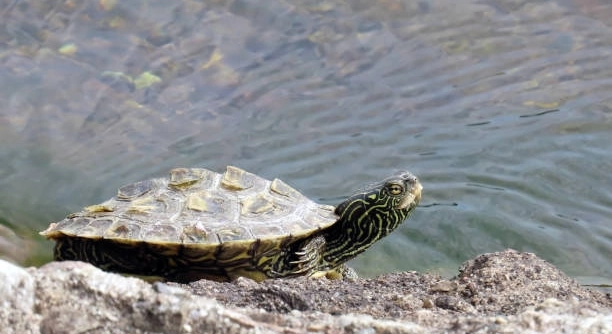
Minor shell injuries are not uncommon in map turtles, especially in their natural habitats or in captivity. Knowing how to care for these injuries is important for their well-being. It is essential to address them quickly and effectively.
To treat minor shell injuries in map turtles at home, first clean the wound with mild, non-toxic antiseptic. Apply a topical antibiotic ointment, then cover the injury with a clean gauze. Keep the turtle in a warm, dry environment to aid healing.
Proper care for shell injuries will ensure your turtle heals without complications. Learn more about how to effectively treat and prevent these injuries.
Identifying Minor Shell Injuries in Map Turtles
Shell injuries in map turtles can range from small cracks to abrasions. These injuries are often caused by encounters with sharp objects, other animals, or improper handling. It’s essential to know the signs of an injury so you can treat it right away. Look for any visible cracks, bruises, or areas where the shell looks damaged or uneven. If your turtle is behaving differently, such as not moving around or eating less, this could also be an indication of an injury. Pay close attention to any changes in their normal habits.
Turtles can sometimes hide pain or discomfort, making it tricky to detect injuries. If you see any damage to the shell or abnormal behavior, it’s time to take action. Immediate attention can prevent further complications.
Regular checkups and monitoring can help ensure your turtle’s health and prevent minor injuries from turning into more serious problems. When in doubt, it’s best to consult a vet for a professional opinion.
How to Clean and Treat the Injury
Once you’ve identified an injury, the first step is to clean the area thoroughly. Use a mild antiseptic that’s safe for reptiles to avoid further irritation. After cleaning, apply a thin layer of antibiotic ointment, which helps to prevent infection. Keeping the injury clean is critical to avoid any complications during the healing process.
Proper care after an injury is key. The healing process can take time, and making sure the turtle stays comfortable during this period is important. You may need to keep the turtle in a separate, clean area to avoid further injury from other tankmates. Keep the injured turtle in warm water and out of any stress-inducing environments.
If there’s noticeable swelling or signs of infection, consult a vet for professional care. Sometimes, stitches or other medical treatments might be required. Always err on the side of caution when it comes to your turtle’s health.
Proper Aftercare for Shell Injuries
Once the injury is treated, monitor your turtle for any signs of discomfort. Make sure the injured area is kept dry and clean to prevent infection. Avoid submerging the turtle in water immediately after applying ointment, as this could wash it off.
Aftercare is crucial in ensuring that the shell heals properly. A clean and dry environment is essential for the healing process. Use a separate tank if needed to prevent injury from other animals. It’s important not to disturb the turtle too much during its recovery, allowing it to rest.
Keep an eye on the injury over time. If the shell does not show signs of improvement or becomes worse, seek veterinary assistance. Regularly inspect the shell for changes, such as swelling or pus, which could signal infection.
Preventing Future Injuries
Prevention is the best way to protect your map turtle from future shell injuries. Ensure that the tank environment is safe, free from sharp objects, and appropriate for your turtle’s size. Avoid rough handling, which can cause trauma to the shell.
Providing a secure and stress-free environment will minimize the risk of injury. Map turtles are naturally active and enjoy basking and swimming. Make sure they have enough space to move freely and stay engaged. Adding hiding spots and objects for climbing can also help prevent stress-related injuries.
Maintaining the proper water temperature and regular cleaning will help your turtle feel comfortable in its habitat. The better the environment, the less likely your turtle will face injury.
Signs of Infection in Turtle Shell Injuries
Infection can quickly set in if a shell injury is not properly treated. Signs to watch for include increased swelling, redness, or a foul odor coming from the wound. If the injury begins to appear more damaged or tender, it’s a clear indication that infection might be present.
If you notice any of these symptoms, it’s important to act fast. An infected shell injury can worsen quickly and lead to more severe health issues for your turtle. Seek veterinary help immediately if there’s any concern about infection.
When to Seek Professional Help
If you notice your turtle’s injury getting worse or not healing properly, it’s time to consult a vet. Sometimes shell injuries may require more than just home care, and a professional can offer guidance on further treatment. A vet can also check for signs of deeper damage, such as fractures.
Proper treatment is crucial for your turtle’s health and wellbeing. A vet can provide expert care, including possible stitches or special antibiotics, that may not be available at home. If the injury seems severe or is taking too long to heal, it’s best to avoid further complications by consulting a professional.
Keeping the Turtle Comfortable During Recovery
During recovery, it’s important to keep your turtle in a calm and secure environment. Ensure the water temperature is consistent and the habitat is stress-free. If possible, create a separate area for the injured turtle to reduce stress from tankmates. A peaceful space promotes faster healing.
FAQ
What should I do if my map turtle’s shell injury looks deep?
If the injury seems deep, it’s important to act quickly. Clean the wound gently with a mild, reptile-safe antiseptic and apply an antibiotic ointment. However, deep injuries often require veterinary care. A vet will assess the damage, clean the area more thoroughly, and possibly apply stitches if necessary. Avoid any rough handling until professional help is sought, as this could make the injury worse.
Can I use human antibiotics on my map turtle?
No, never use human antibiotics on turtles. Their immune systems are different from humans, and human antibiotics can be toxic to them. Only use medications that are specifically designed for reptiles. If you’re unsure about the correct treatment, it’s best to consult a vet to ensure you’re using the right products for your turtle’s recovery.
How long will it take for a minor shell injury to heal?
Minor shell injuries typically take around 2-4 weeks to heal, depending on the severity and care provided. If the injury is properly cleaned and treated, the turtle should recover without complications. However, it’s crucial to monitor the injury for any signs of infection, as this can extend the healing process. Be patient and maintain a clean environment for the turtle’s recovery.
Can I put my map turtle back in the tank with other turtles after it heals?
After your map turtle’s injury heals, you can reintroduce it to the tank, but it’s essential to ensure that the injury has completely healed. If the shell is still soft or the injury looks fresh, it’s best to keep the turtle separated from others until fully recovered. Reintroducing the turtle too soon can lead to further injury or infection. Observe your turtle’s behavior and physical condition before making the decision to place it back with others.
What can I do to help my turtle heal faster?
To help your turtle heal faster, provide a clean, warm, and stress-free environment. Keep the water temperature regulated within the ideal range for map turtles (around 75-80°F or 24-27°C). Ensure the tank is clean and free from harmful bacteria. Additionally, offer your turtle a balanced diet to support its immune system. Avoid disturbing the turtle too much during the healing process, and monitor the injury regularly for any signs of complications.
Should I apply anything else to my turtle’s shell injury?
If you notice your turtle’s shell injury is not healing properly or showing signs of infection, it may require additional care. Some turtle owners opt to use specialized shell repair creams, which can help seal small cracks and prevent infection. However, it’s important to consult a vet before applying any new treatments to ensure it’s safe for your turtle.
What are the signs that my turtle’s injury is infected?
Signs of infection include swelling around the injury, pus, a foul odor, or redness at the site. If you notice any of these symptoms, it’s crucial to clean the injury properly and consult a vet immediately. An untreated infection can spread and lead to serious health issues for your turtle. Don’t wait too long to seek professional care if the wound is worsening.
Can I use a bandage to cover my turtle’s injury?
It’s not generally recommended to use a traditional bandage on a turtle’s shell injury. While it may seem like a good idea to cover the wound, bandages can trap moisture and cause further irritation or infection. Instead, use a clean, dry gauze pad or cloth to gently cover the injury if needed, and make sure to keep the area dry.
Is it safe to let my turtle swim during the healing process?
It’s best to limit your turtle’s swimming during the healing process, especially within the first few days after the injury. Water can wash away any ointments or medications applied to the injury and can also expose the wound to bacteria. Once the injury is scabbed over and the healing process is well underway, you can gradually return the turtle to its normal swimming routine.
When should I take my turtle to the vet?
Take your map turtle to the vet if the injury is deep, showing signs of infection, or if there is no visible improvement after a few days. If the injury appears to be more serious, such as a fracture or if the turtle shows signs of extreme pain or distress, seeking professional help immediately is essential. Early intervention can prevent further complications. Always trust your instincts if something doesn’t seem right with your turtle’s health.
Final Thoughts
Treating a map turtle’s shell injury at home can be straightforward if done carefully. It’s important to act quickly and keep the injury clean. Cleaning the wound gently and applying a reptile-safe antibiotic ointment can prevent infection and help promote healing. However, always remember that even minor injuries can become complicated if not properly managed. Regular monitoring of the injury is key to ensuring that healing progresses well without any signs of infection.
While home treatment can be effective for many minor injuries, there are situations where professional care is necessary. Deep wounds, fractures, or signs of infection should be handled by a veterinarian. Turtles may not show pain in the way mammals do, so it’s essential to be extra vigilant in watching for signs of distress or worsening conditions. If the injury does not seem to improve after a few days, seeking professional help can prevent long-term health problems for your turtle.
In the end, caring for your map turtle’s shell injury requires patience and attention to detail. With the right care and a clean, safe environment, most turtles will recover without complications. Preventative measures, such as providing a secure habitat free from sharp objects, can help avoid future injuries. Keep your turtle’s tank clean, monitor its health, and provide a comfortable space for healing. By doing so, you can ensure that your map turtle remains healthy and happy for many years to come.

Hello,
If you enjoy the content that we create, please consider saying a "Thank You!" by leaving a tip.
Every little bit helps us continue crafting quality advice that supports the health, happiness, and well-being of pets around the world, for pets of all shapes, sizes, and species.
We really appreciate the kindness and support that you show us!