
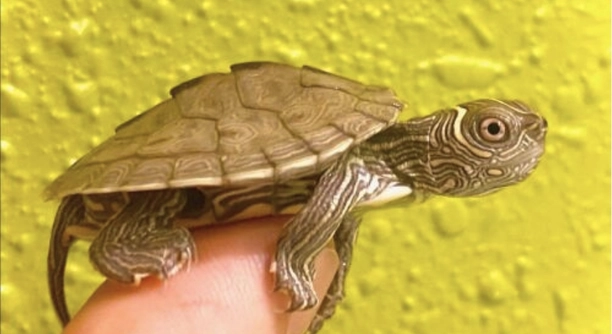
A healthy, balanced diet is essential for your map turtle’s well-being. Ensuring your turtle gets the right nutrients will keep it active and thriving in its habitat. Proper care in feeding is key for its longevity.
The key to maintaining a balanced diet for your map turtle is offering a variety of foods that mimic its natural diet. This includes leafy greens, protein sources like insects, and occasional fruits. Proper portion control is essential for optimal health.
By following these tips, you’ll help your map turtle stay healthy and content. Keep reading to learn how to provide a diverse, balanced diet that supports its needs.
Offer a Variety of Leafy Greens
Leafy greens are a crucial part of a map turtle’s diet. These provide essential nutrients like calcium and fiber. Some excellent options include collard greens, dandelion greens, and mustard greens. These greens support bone health and provide antioxidants, which are vital for overall well-being. Mixing up the types of greens keeps the turtle’s diet interesting and ensures they receive a variety of nutrients. It’s important to avoid feeding them iceberg lettuce, as it offers little nutritional value and can upset their digestive system. Fresh greens should always be washed thoroughly to remove any pesticides.
Leafy greens also promote hydration. Map turtles often spend time in the water, and these vegetables help supplement their fluid intake. Providing a constant supply of fresh, clean greens will keep your turtle energized and healthy.
It’s best to feed leafy greens daily, and they should make up a significant portion of your turtle’s diet. Regular variety in greens ensures they get the necessary vitamins and minerals for strong health. Don’t forget to chop them into manageable pieces to avoid choking hazards.
Incorporate Protein Sources
Protein is an essential nutrient for map turtles, supporting their muscle development and overall vitality. Small fish, worms, and insects are excellent sources of protein. Offering a variety of these will not only meet nutritional needs but also encourage natural hunting behaviors.
Add Occasional Fruits
Fruits can be a great occasional treat for your map turtle. They provide a natural sweetness and additional vitamins. Some safe options include strawberries, raspberries, and melons. Offering fruits once or twice a week adds variety and excitement to their diet. However, be mindful of the sugar content. Too much fruit can upset their digestive system.
It’s important to remember that fruits should not replace their main diet of leafy greens and protein. Instead, they should be considered as a supplement. A balanced diet means providing a variety of foods in moderation, ensuring your turtle receives all necessary nutrients. Avoid feeding high-sugar fruits too frequently to prevent health issues.
Remove any uneaten fruit after a few hours to prevent it from spoiling in the tank. Keeping the feeding area clean is essential to avoid the growth of harmful bacteria. Proper fruit choices and portion control will keep your turtle happy and healthy.
Provide High-Quality Pellets
High-quality turtle pellets can serve as a reliable staple in your map turtle’s diet. These pellets are specially formulated to provide all the essential nutrients, such as vitamins, minerals, and proteins. Choose pellets designed for aquatic turtles to ensure they match your turtle’s dietary needs.
Pellets should be used as part of a varied diet, not the sole food source. While they are convenient, feeding only pellets may not offer the full range of nutrients your turtle needs for optimal health. Supplementing with leafy greens, protein, and occasional fruits will ensure your turtle thrives.
Be sure to choose pellets that are free from artificial preservatives and fillers. Opt for natural ingredients and check the nutrition label to ensure they meet your turtle’s dietary requirements. Store the pellets in a cool, dry place to maintain their freshness. Proper storage will prevent them from losing their nutritional value over time.
Monitor Portion Sizes
Proper portion control is key to a healthy diet for your map turtle. Overfeeding can lead to obesity and other health problems. It’s essential to stick to appropriate serving sizes, which depend on the age and size of your turtle. Smaller turtles need less food, while larger ones require more.
A general rule is to feed your turtle an amount that can be consumed in 15 to 30 minutes. This helps avoid leftover food, which can spoil and pollute the tank. Ensure you remove any uneaten food promptly to keep the habitat clean.
Consistent portion sizes help maintain a balanced diet and prevent feeding issues. Keep track of how much food your turtle consumes each day to adjust portions accordingly.
Maintain a Clean Feeding Environment
A clean feeding area is vital for your map turtle’s health. Leftover food can quickly lead to bacterial growth, which can harm your turtle. Be sure to clean the tank and remove any uneaten food promptly after feeding. This helps maintain a healthy living environment.
In addition to keeping the tank clean, make sure to sanitize the feeding dishes regularly. This helps prevent the build-up of harmful bacteria. Regular cleaning habits also reduce the risk of infections and diseases, keeping your turtle healthy.
Establish a feeding schedule that includes regular tank maintenance. This will help your turtle thrive and avoid health problems related to poor hygiene.
FAQ
What should I feed my map turtle daily?
Map turtles thrive on a balanced diet of leafy greens, protein, and occasional fruits. Offer fresh, pesticide-free greens like collard, mustard, or dandelion. Protein can come from insects, small fish, or worms, while fruits like strawberries and melons can be given once or twice a week. Always ensure you provide a mix to avoid dietary imbalances.
Can I feed my map turtle only pellets?
Pellets can be a helpful staple, but they should not be the only food source. High-quality pellets provide necessary nutrients, but offering a variety of fresh food like greens and proteins will make your turtle’s diet more complete. Pellets should be part of a balanced, varied diet to meet all nutritional needs.
How often should I feed my map turtle?
Adult map turtles typically require feeding every other day, while younger turtles may need daily meals. The amount of food should be enough for your turtle to eat within 15 to 30 minutes. Regular, controlled feeding ensures your turtle remains healthy and prevents overfeeding, which can lead to obesity.
Can I feed my map turtle fish?
Yes, fish can be a good source of protein for your map turtle. Small, feeder fish like minnows or goldfish are appropriate, but avoid overfeeding them. Fish should be given as part of a balanced diet, combined with leafy greens and other protein sources. Be cautious of the quality of fish, as some may carry diseases.
How much fruit should I give my map turtle?
Fruit should be an occasional treat, not a regular part of your turtle’s diet. Limit fruit offerings to once or twice a week to prevent excess sugar intake, which can affect your turtle’s digestion. Opt for fruits like strawberries, blueberries, and melons, and cut them into manageable pieces to avoid choking hazards.
What vegetables can I feed my map turtle?
In addition to leafy greens, you can feed your map turtle other vegetables like squash, carrots, and bell peppers. These provide additional vitamins and minerals that support your turtle’s health. Avoid starchy vegetables, such as potatoes, as they are not suitable for turtles. Fresh veggies should be offered in small portions.
How can I ensure my map turtle is getting enough calcium?
Calcium is vital for your map turtle’s bone health. Leafy greens such as kale, dandelion, and collard greens are excellent sources of calcium. You can also offer calcium supplements or cuttlefish bone, which provides a natural source of calcium. Make sure to include these in your turtle’s diet regularly to prevent shell deformities.
Should I feed my map turtle live food?
Feeding your map turtle live food is not necessary but can be beneficial. Live insects, worms, or small fish offer natural hunting stimulation and are rich in protein. However, it’s important to ensure that the live food is from a reliable source to avoid introducing harmful bacteria or parasites to your turtle.
How do I know if I’m overfeeding my map turtle?
Signs of overfeeding include weight gain, lethargy, or uneaten food left in the tank after feeding. If you notice these signs, consider reducing portion sizes. Regularly monitor your turtle’s body condition and adjust food portions accordingly. Overfeeding can lead to obesity, which can cause serious health problems over time.
Can I feed my map turtle chicken or beef?
It’s generally not recommended to feed your map turtle chicken or beef. While they are protein sources, these meats are too high in fat and do not provide the necessary nutrients for your turtle’s health. Stick to foods that more closely mimic their natural diet, such as fish, insects, and leafy greens.
How do I prevent my map turtle from becoming obese?
To prevent obesity, focus on portion control, avoid overfeeding, and ensure a varied diet. Regularly monitor your turtle’s weight and adjust feeding practices as necessary. Offer fresh, low-fat foods like leafy greens and protein sources while keeping an eye on their body shape. Exercise, such as swimming and exploring, is also key to preventing weight gain.
Is it okay to feed my map turtle live plants?
Yes, map turtles can eat certain aquatic plants. Plants like water lettuce and water hyacinth are safe and provide additional fiber. Be cautious about where you source the plants to ensure they haven’t been treated with pesticides or chemicals. Live plants also help maintain a natural environment for your turtle.
Can I feed my map turtle worms from my garden?
You can feed your map turtle worms from your garden, but make sure they haven’t been exposed to pesticides or chemicals. Garden worms are a great source of protein and can be offered occasionally. It’s best to feed them in moderation to maintain a balanced diet and avoid overfeeding.
What is the best way to store my map turtle’s food?
Store your map turtle’s food in a cool, dry place. Fresh vegetables and fruits should be refrigerated, while pellets and dried foods should be kept in sealed containers to prevent moisture from causing spoilage. Ensure that food items are fresh and free from mold or bacteria before offering them to your turtle.
Final Thoughts
Feeding your map turtle a balanced diet is crucial for its health and well-being. It’s not just about offering food; it’s about choosing the right combination of fresh vegetables, proteins, and occasional treats. A diet that includes leafy greens, fruits, and small amounts of fish or insects will provide the necessary nutrients to keep your turtle healthy. Being mindful of portion sizes and feeding frequency helps prevent obesity and other health problems. By sticking to a well-rounded diet, you’ll ensure your turtle stays active and strong.
In addition to the food you provide, maintaining a clean environment for your map turtle is essential. Uneaten food can lead to water pollution and harmful bacteria, which can affect your turtle’s health. A regular cleaning schedule will keep the habitat safe and pleasant. Properly sanitizing feeding dishes and removing any leftover food after meals reduces the chances of illness. It’s also important to check your turtle’s weight and general condition regularly. If you notice any signs of malnutrition or weight gain, adjust the diet accordingly.
Lastly, remember that map turtles are unique creatures with individual needs. While a general feeding guide is helpful, every turtle may have slightly different dietary preferences or requirements. Monitor how your turtle reacts to certain foods and adjust accordingly. Providing a variety of fresh food options, along with the right supplements, can make a big difference. Over time, you’ll develop a routine that supports your turtle’s health, allowing it to live a long and happy life.

Hello,
If you enjoy the content that we create, please consider saying a "Thank You!" by leaving a tip.
Every little bit helps us continue crafting quality advice that supports the health, happiness, and well-being of pets around the world, for pets of all shapes, sizes, and species.
We really appreciate the kindness and support that you show us!