
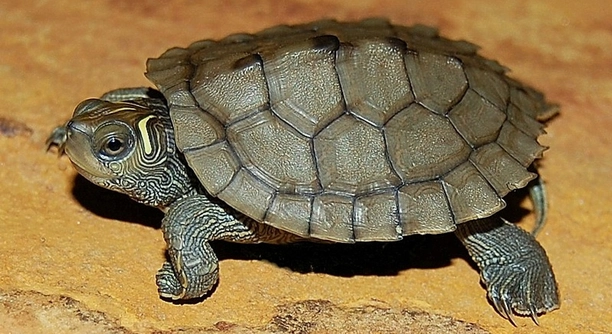
Do you enjoy learning about unique pets and the fascinating reasons people are drawn to them? Northern map turtles, with their striking patterns and intriguing behaviors, have become a favorite among collectors and turtle enthusiasts alike.
Northern map turtles are popular among collectors due to their captivating shell patterns, manageable size, and fascinating natural behaviors, making them both visually appealing and relatively easy to care for in the right environments.
The world of Northern map turtles offers insight into why these creatures are highly sought after, from their care needs to their role in biodiversity.
Why Northern Map Turtles Are Visually Stunning
Northern map turtles are admired for their intricate shell patterns resembling map-like contours. These unique designs set them apart from other turtle species, adding to their charm. Their shells often feature rich brown or olive hues accented with delicate yellow or orange lines. Beyond their appearance, they are manageable in size, making them suitable for home aquariums. Their calm nature and captivating behaviors, such as basking on rocks or gliding gracefully through water, make them delightful to observe. These traits have collectively cemented their place as a favorite among collectors who appreciate both aesthetics and personality in their pets.
These turtles thrive in environments replicating their natural habitats. Aquariums with clean water, basking areas, and ample swimming space are essential for their well-being. Proper care ensures they remain healthy and active, further enhancing their appeal to those who value maintaining unique pets.
Understanding their care needs and the delicate balance required to keep them healthy adds to their allure. These turtles offer a blend of beauty and manageable care demands, making them a rewarding choice for collectors and reptile lovers alike.
The Role of Proper Care
Northern map turtles need a carefully maintained setup to flourish. Their habitat must mimic the wild, with clean water and sunlit areas.
Providing the right diet, including protein-rich foods like snails and aquatic vegetation, ensures their health and longevity. Regular tank cleaning and monitoring water conditions are vital to prevent health issues. These turtles are active and social, thriving in a space that allows natural behaviors like swimming and basking. Adding plants or decorations mimics their native environment, promoting mental stimulation.
Owning a Northern map turtle is a commitment to both care and understanding. While their needs are straightforward, consistent attention ensures they remain vibrant and active. For collectors, these turtles offer a balance of aesthetic appeal and engaging interaction. Their unique appearance and behaviors make them a fascinating addition to any collection, provided their specific requirements are met with care and responsibility.
The Unique Behaviors of Northern Map Turtles
Northern map turtles are known for their active and social behavior, often basking in groups or exploring their surroundings. They are most active during the day, making them fascinating to observe in well-maintained habitats.
In addition to their social nature, these turtles display intriguing feeding behaviors. They primarily eat aquatic invertebrates, such as snails and crayfish, and supplement their diet with plants. This balance mirrors their role as both predator and grazer in the wild. Observing them hunt for food or nibble on vegetation provides a deeper connection to their natural instincts. Their sharp jaws and strong swimming skills add to the thrill of watching them.
Another remarkable behavior is their ability to bask for extended periods. They seek out warm surfaces to regulate their body temperature and absorb vital sunlight. This creates an opportunity to observe their vibrant shell patterns under natural lighting, showcasing their beauty and adaptability.
Challenges in Owning Northern Map Turtles
Owning Northern map turtles can be challenging, especially for beginners. They require precise water conditions, a balanced diet, and adequate basking areas. Neglecting these needs can lead to stress or illness, which impacts their quality of life.
To keep them healthy, owners must maintain a stable water temperature between 75–85°F and ensure the tank is well-filtered. Regular cleaning prevents algae buildup and keeps the environment safe. Their diet needs to be carefully balanced with protein and greens to support their active lifestyle. Providing a UVB light is essential for calcium absorption and shell health.
Despite the challenges, owning these turtles can be rewarding. With proper care, they thrive in captivity and live long lives. Their stunning appearance, coupled with their captivating behaviors, makes the effort worthwhile for those who enjoy nurturing unique pets.
Importance of Habitat Maintenance
A clean and stable environment is vital for Northern map turtles. Proper filtration prevents harmful bacteria and ensures water clarity. Regular water changes keep the habitat fresh and free from waste, promoting their overall health and well-being.
Basking areas must provide consistent warmth and UVB exposure to support shell health. The habitat should also mimic natural conditions by including rocks, plants, and hiding spaces. These additions help the turtles feel secure and encourage natural behaviors, making the setup more enriching.
Feeding Northern Map Turtles
Their diet needs to include both animal and plant-based foods. Protein sources like snails and shrimp, combined with leafy greens, provide essential nutrients for their active lifestyle.
Observing Their Social Nature
Northern map turtles interact with their environment and other turtles, creating an engaging display of their natural behaviors.
FAQ
What do Northern map turtles eat?
Northern map turtles have a varied diet that includes both animal and plant matter. In the wild, they feed on snails, crayfish, small fish, and aquatic insects. They also enjoy leafy greens like water plants, lettuce, and dandelion greens. In captivity, you can feed them commercial turtle food, but it’s important to supplement their diet with fresh protein sources such as earthworms, insects, and shrimp. Offering a mix of protein and plant-based foods helps keep them healthy.
How big do Northern map turtles get?
Northern map turtles are medium-sized, with females being larger than males. Females can grow up to 10 inches in length, while males typically reach about 6-7 inches. This manageable size makes them a popular choice for pet owners, as they do not require an excessively large tank compared to other species of turtles.
How long do Northern map turtles live?
With proper care, Northern map turtles can live up to 25 years or more in captivity. Their lifespan is influenced by factors such as diet, water quality, and overall habitat maintenance. In the wild, they may face predators and environmental stressors, but in a controlled environment, they often live long, healthy lives.
What is the best temperature for Northern map turtles?
Northern map turtles thrive in water temperatures ranging from 75°F to 85°F. A consistent temperature is essential to ensure they stay active and healthy. You should also provide a basking area that reaches 90°F to 95°F, where they can dry off and warm up under a UVB light. This temperature range mimics their natural habitat and helps regulate their metabolism.
Do Northern map turtles need UVB light?
Yes, Northern map turtles require UVB light for calcium absorption and proper shell development. UVB light helps them synthesize vitamin D3, which is crucial for bone health. It’s important to provide UVB lighting for 10-12 hours a day, especially if they are kept indoors. Without UVB exposure, they can develop metabolic bone disease and other health issues.
Can Northern map turtles be kept with other turtles?
Northern map turtles can be kept with other turtles of similar size and species, but it’s essential to monitor their behavior closely. Some turtles may be territorial and could become aggressive toward one another, especially during feeding times. Make sure there is enough space in the tank to reduce the risk of conflict, and always ensure that each turtle has access to basking areas and hiding spots.
Do Northern map turtles need a lot of space?
While Northern map turtles don’t need an excessively large tank, they do require ample space to swim and bask. A minimum tank size of 40 gallons is recommended for one turtle, with an additional 10 gallons for each additional turtle. The more swimming space you provide, the better. It’s important to include a basking platform for them to dry off, as well as enough room for them to explore and feel secure.
What is the best way to clean a Northern map turtle tank?
Cleaning a Northern map turtle tank involves regular water changes and maintaining proper filtration. Change about 25% of the water weekly to keep the tank clean and prevent the buildup of harmful toxins. Make sure the filter is strong enough to handle the waste produced by your turtles. Clean the basking platform, decorations, and substrate (if used) regularly to avoid the growth of harmful bacteria.
How can I tell if my Northern map turtle is healthy?
A healthy Northern map turtle has clear eyes, an active swimming pattern, and a strong appetite. Their shell should be smooth without any cracks, sores, or discoloration. If your turtle seems lethargic, refuses to eat, or has unusual swelling or soft spots on its shell, it may be a sign of illness, and you should consult a vet. Regular health checks are essential to ensure they stay in good condition.
Do Northern map turtles hibernate?
Northern map turtles are cold-blooded, so they may slow down during the colder months. While they don’t hibernate in the same way some species of turtles do, they do enter a state of dormancy if the temperature drops significantly. In captivity, they can remain active year-round if their environment is kept warm, but in the wild, they may become less active during the winter.
Final Thoughts
Northern map turtles are a popular choice for collectors due to their unique appearance, manageable size, and interesting behaviors. Their intricate shell patterns and active nature make them a fascinating species to observe. These turtles require specific care, such as maintaining clean water, providing UVB light, and offering a balanced diet, but their manageable size and relatively simple needs make them a great option for those willing to commit to their care.
Despite their appeal, owning a Northern map turtle is not without responsibility. It’s important to create an environment that closely resembles their natural habitat, which includes proper filtration, temperature control, and adequate space. Regular tank maintenance is key to preventing health issues, and the right diet is necessary to ensure the turtle remains healthy. Understanding these care requirements will help owners provide a proper environment, keeping their turtles healthy and happy for years.
For those who are interested in adding a Northern map turtle to their collection, patience and consistency are essential. While they do not require constant attention, they do need a stable environment and regular care. If their habitat and diet are properly maintained, Northern map turtles can live long, fulfilling lives and continue to captivate their owners with their beautiful shells and interesting behaviors. Whether you’re new to keeping turtles or already have experience, these reptiles are a great choice for anyone looking to add a unique and engaging pet to their home.

Hello,
If you enjoy the content that we create, please consider saying a "Thank You!" by leaving a tip.
Every little bit helps us continue crafting quality advice that supports the health, happiness, and well-being of pets around the world, for pets of all shapes, sizes, and species.
We really appreciate the kindness and support that you show us!