
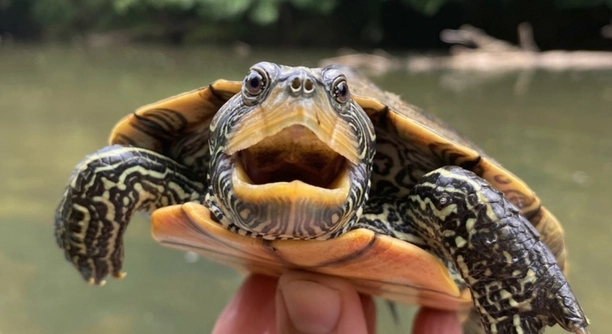
Do you ever find yourself wondering why some animals seem to prepare for reproduction even when mating hasn’t occurred? Female map turtles are one of these fascinating creatures, and their unique behavior often surprises people.
Female map turtles lay eggs without mating due to their reproductive biology. These turtles can produce and deposit unfertilized eggs, a natural process called oviposition, ensuring they maintain reproductive readiness during their active breeding season.
This intriguing aspect of map turtle biology sheds light on their survival strategies. Understanding how and why this happens can provide deeper insights into their natural world.
Why Female Map Turtles Lay Eggs Without Mating
Female map turtles can lay eggs without mating, a process known as oviposition. This happens naturally due to their reproductive system, which enables them to produce eggs regardless of fertilization. It’s a biological trait that ensures they remain ready to reproduce when the right conditions or opportunities arise. Female turtles typically retain this capability throughout their breeding years, which aligns with their instinctive reproductive patterns. The eggs laid without mating are unfertilized and will not hatch, but the process itself serves an essential role in their biological cycle.
This behavior is more common in animals like reptiles that have an extended reproductive window. By laying eggs, even unfertilized ones, female turtles maintain their reproductive health. This can also help prevent complications, like egg retention, which can be harmful.
Understanding this fascinating biological feature helps us appreciate the adaptability and resilience of these turtles in their natural environment.
What Happens to the Eggs?
The unfertilized eggs laid by female map turtles are typically abandoned in their nests.
In the wild, these eggs decompose and become part of the environment. They may provide nutrients for the soil or attract other creatures, such as insects or scavengers. This process highlights the interconnectedness of nature. Female turtles, meanwhile, resume their regular activities and maintain their health, preparing for future reproductive opportunities.
Even though these eggs won’t hatch, their presence can offer scientists valuable insights into turtle health, habitat conditions, and reproductive patterns. Observing this behavior in the wild or captivity helps us better understand how these turtles adapt and thrive in changing environments.
Environmental Factors That Influence Egg-Laying
Environmental conditions play a key role in when female map turtles lay eggs. Temperature, daylight, and seasonal changes often signal the turtles to prepare for nesting. These cues are critical to their reproductive cycle, even when mating hasn’t occurred.
Warmer temperatures during spring and summer provide an ideal environment for egg-laying. Female turtles instinctively seek sandy or soft soil areas near water to dig nests. The quality of the environment also impacts their health and ability to lay eggs. If a habitat is too polluted or disturbed, it may affect their egg-laying behavior or the condition of the eggs themselves. Preserving clean, undisturbed habitats helps ensure these turtles thrive.
Egg-laying is also tied to the availability of food. A well-nourished female is more likely to have the energy needed to produce eggs, emphasizing the importance of a healthy ecosystem.
Importance of Egg-Laying for Health
Egg-laying is essential for the reproductive health of female map turtles. Retained eggs can lead to health issues like egg binding, which can be dangerous without intervention.
Regular egg production and laying maintain the turtle’s reproductive system and prevent complications. In captivity, providing a suitable nesting area ensures that the turtles can lay their eggs without stress. Without proper care, captive turtles might experience health problems tied to their natural egg-laying cycle.
Supporting this natural process helps turtles stay healthy and reduces risks. Observing their egg-laying patterns also allows for better care and understanding of these unique animals.
How Female Map Turtles Prepare to Lay Eggs
Female map turtles choose nesting sites with care, often near water and in sandy or soft soil. These locations provide the right conditions for digging and laying eggs, ensuring the process is smooth and natural.
Their bodies undergo hormonal changes that trigger egg production. This process is essential for maintaining reproductive health and ensuring they are ready for future mating opportunities.
Challenges Female Map Turtles Face
Human activities like habitat destruction and pollution make it harder for turtles to find safe nesting areas. This increases stress and can affect their ability to lay eggs properly.
Why Understanding This Behavior Matters
Learning about egg-laying in map turtles helps us protect their habitats and ensure their well-being. Observing this behavior also provides valuable insights into their reproductive health and the challenges they face in the wild.
FAQ
Why do female map turtles lay unfertilized eggs?
Female map turtles lay unfertilized eggs due to their natural reproductive cycle. This process ensures their bodies remain in optimal reproductive health, even if mating hasn’t occurred. It’s a biological trait common in many reptiles to prevent complications like egg retention.
What happens to unfertilized eggs in the wild?
Unfertilized eggs are typically abandoned in nests. These eggs decompose over time and become part of the ecosystem. They may provide nutrients to the soil or be consumed by scavengers, contributing to the natural food chain.
Can female map turtles store sperm?
Yes, female map turtles can store sperm after mating. This allows them to fertilize eggs later, even months after initial contact. However, if they haven’t mated, the eggs they lay will remain unfertilized.
Does laying unfertilized eggs affect the turtle’s health?
Egg-laying is crucial for a turtle’s health. If eggs are not laid when needed, they can become retained, leading to serious health issues like egg binding. Providing suitable nesting conditions helps turtles lay eggs safely and avoid complications.
Do turtles lay eggs at specific times of the year?
Most female map turtles lay eggs during warmer months, often in spring and summer. Environmental cues like temperature and daylight length signal their bodies to begin the egg-laying process.
What happens if a turtle can’t find a nesting site?
If a female turtle cannot locate a suitable site, she may retain her eggs, which can lead to health problems. In captivity, offering a proper nesting area is essential to prevent stress and complications.
How can humans help protect nesting turtles?
Protecting their habitats from pollution and human interference is crucial. Reducing light pollution, preserving natural nesting areas, and avoiding disturbing turtles during nesting periods all help ensure they can lay eggs safely.
Are unfertilized eggs smaller than fertilized ones?
The size of unfertilized eggs is generally similar to fertilized ones, as both follow the same biological production process. However, fertilized eggs contain an embryo, while unfertilized ones are empty.
Why do turtles lay eggs on land?
Turtles lay eggs on land because their eggs require oxygen to develop. The hard or leathery shell allows gas exchange but would not function properly underwater. A dry, secure location ensures the eggs remain viable in the wild.
How many eggs can a female map turtle lay at once?
The number of eggs depends on the turtle’s size and health. A typical clutch can contain anywhere from 5 to 15 eggs. Larger and healthier turtles may lay more eggs than smaller ones.
Do all female turtles lay eggs without mating?
Not all female turtles lay eggs without mating, but many species, including map turtles, have this capability. It’s a natural part of their reproductive system, helping them maintain readiness for potential mating opportunities.
Do turtles care for their eggs after laying them?
No, turtles do not provide care for their eggs after laying them. Once the eggs are buried in a safe location, the mother leaves. This instinct ensures she can conserve energy and focus on her survival.
Can unfertilized eggs hatch?
Unfertilized eggs cannot hatch because they lack an embryo. These eggs serve no reproductive purpose and will eventually decompose if left in the wild.
Understanding these aspects of map turtle biology helps us appreciate their resilience and adapt our actions to better support their needs in both wild and captive environments.
Final Thoughts
Female map turtles laying eggs without mating is a fascinating example of how nature ensures the health and survival of species. This behavior is not unique to turtles, but it highlights the incredible adaptability of these animals. By laying unfertilized eggs, female turtles maintain their reproductive health and readiness for future opportunities to mate. It is a process deeply connected to their biology and the environmental factors around them.
Understanding why and how this happens allows us to better care for these turtles in captivity and protect their habitats in the wild. Safe nesting areas, clean environments, and minimal disturbances play a key role in supporting their natural behaviors. Even though unfertilized eggs won’t develop, they serve as an indicator of a turtle’s overall health and well-being, offering insights into their complex lives.
Appreciating these details can help us see turtles not just as animals but as vital parts of the ecosystems they inhabit. By learning about their behaviors and needs, we can make choices that protect their habitats and ensure their survival. Whether observing them in nature or caring for them in captivity, every effort to understand and support turtles makes a difference.

Hello,
If you enjoy the content that we create, please consider saying a "Thank You!" by leaving a tip.
Every little bit helps us continue crafting quality advice that supports the health, happiness, and well-being of pets around the world, for pets of all shapes, sizes, and species.
We really appreciate the kindness and support that you show us!