
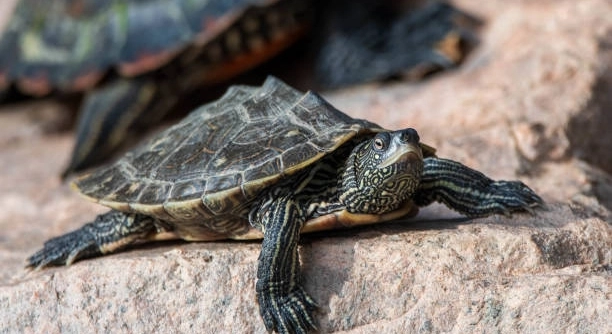
Map turtles are fascinating creatures that spend a lot of time basking. However, during winter, they may stop basking, which can be puzzling for owners. Understanding the reasons behind this behavior can help address it effectively.
The decrease in basking behavior during winter is commonly caused by the drop in ambient temperature. Map turtles are ectothermic, meaning they rely on external heat sources to regulate their body temperature. Lower temperatures reduce their activity levels.
Maintaining the right conditions in your turtle’s environment can help encourage basking, keeping them healthy during colder months.
Why Temperature Affects Map Turtles’ Basking Behavior
When the temperature drops, your map turtle’s natural instinct is to slow down and reduce activity. Basking is an essential part of a turtle’s daily routine because it helps them regulate body temperature, digest food, and maintain overall health. However, when the colder months arrive, the ambient temperature around them may not be warm enough for basking to remain comfortable. As ectotherms, turtles depend on external heat sources to keep their body temperature stable. Without sufficient warmth, your turtle may become inactive, choosing to rest instead of basking.
To support your turtle during this time, it’s essential to ensure they have access to proper heat sources. A basking lamp or a heat emitter can help provide the warmth they need. If your turtle’s environment is too cold, their body’s metabolism will slow down, leading to fewer basking sessions. Understanding how temperature directly affects their behavior can guide you in making necessary adjustments.
One way to combat this issue is by setting up a suitable basking area. If the temperature of the basking spot is too low, your turtle may avoid it entirely.
Setting the Right Temperature for Your Turtle
To keep your turtle comfortable, create a temperature gradient in their enclosure. This allows them to move between areas that suit their needs. Place a heat lamp over the basking area and maintain the water temperature at a comfortable level. Map turtles generally thrive in temperatures ranging from 75°F to 80°F for their basking spots and around 72°F for the water. Monitoring the temperature regularly with a reliable thermometer will help ensure that these conditions are met.
Additionally, during winter, you may need to adjust the light cycle. Turtles are used to a natural day-night cycle, which helps regulate their internal clocks. Providing around 12-14 hours of light a day is ideal for most map turtles. During the colder months, consider using a timer for the light cycle to maintain consistency. Keeping their environment stable will encourage more natural behaviors, such as basking.
Insufficient UVB Light
UVB light is vital for your map turtle’s health. It helps them synthesize vitamin D3, which is essential for calcium absorption. Without proper UVB light, your turtle may become lethargic and stop basking. It’s important to ensure the UVB bulb is positioned at the correct distance from your turtle’s basking spot.
The light intensity decreases over time, so changing the bulb every six to twelve months is necessary. If the UVB light is weak or placed too far from the basking area, your turtle might not receive enough exposure. This can cause them to stop basking or hide more often.
Map turtles need a specific UVB range to thrive. If the light is too dim, their health could suffer. Ensuring adequate UVB light exposure will not only encourage basking but also prevent potential issues, like shell deformities, caused by vitamin D3 deficiency. Adjusting the light and changing bulbs regularly is a small effort that can have a significant impact.
Seasonal Changes
As winter approaches, your turtle’s natural behavior changes. In colder months, they might feel the need to slow down and rest. This reduction in basking could be due to the decreasing amount of daylight and the change in temperature. Turtles often adjust their activity levels based on seasonal shifts.
During winter, your turtle may choose to bask less, as they need to conserve energy. They might spend more time resting or hiding in cooler areas of the tank. This is a normal behavior, but if your turtle continues to avoid basking, you should check their environment for temperature or lighting issues. Ensuring proper care during this time is crucial to maintaining their health.
Stress and Insecurity
Stress is another factor that can cause your map turtle to stop basking. Changes in their environment, such as new tank mates, loud noises, or even handling, can make them feel insecure. A stressed turtle is more likely to retreat and hide instead of basking.
Ensuring a peaceful, secure environment for your turtle is key. Minimize disruptions and provide hiding spots where they can retreat when needed. Reducing stress can help encourage more regular basking behavior, as your turtle will feel safer in its surroundings and more comfortable engaging in natural behaviors.
Water Quality and Health
Poor water quality can also affect your turtle’s basking habits. Turtles may avoid basking if they feel unwell or if their water isn’t clean. Dirty water can lead to skin or eye infections, making them less likely to bask. Ensuring proper filtration and water changes will help keep your turtle healthy.
Regularly check the water temperature, pH, and cleanliness. If your map turtle is avoiding basking, it could be because the water conditions are not optimal. A well-maintained tank will prevent illness and encourage natural behaviors, including basking, promoting your turtle’s overall well-being.
Diet and Nutrition
Map turtles need a balanced diet to stay healthy and active. Nutritional deficiencies can affect their energy levels, causing them to stop basking. Ensure they are getting a varied diet that includes protein, vegetables, and proper calcium supplements. A lack of vitamins or minerals can make them lethargic.
FAQ
Why is my map turtle not basking?
Your map turtle may stop basking due to several factors, including temperature drops, insufficient UVB light, poor water quality, or stress. It’s important to check their environment and ensure they have access to proper heat sources, UVB light, and clean water. Stress from changes in their tank or new tank mates can also discourage basking.
How do I know if my turtle is stressed?
A stressed map turtle may show signs like hiding more frequently, avoiding food, or becoming more aggressive. They might also display unusual behavior, such as swimming erratically or trying to escape from their enclosure. Minimizing disruptions, offering hiding spots, and maintaining a calm environment can reduce stress.
How much UVB light does my map turtle need?
Map turtles require UVB light for proper calcium absorption and vitamin D3 synthesis. It’s recommended to provide 12-14 hours of UVB light each day. Ensure the light is positioned within 6-12 inches of the basking area for optimal exposure. Replace the UVB bulb every 6-12 months, as its intensity decreases over time.
What is the ideal water temperature for a map turtle?
The water temperature should be maintained between 72°F to 78°F. Colder temperatures can cause your turtle to become lethargic, and warmer temperatures can stress them. Use a reliable aquarium heater to maintain a consistent temperature, and avoid drastic fluctuations. Always monitor the water to ensure it stays within the ideal range.
Can a map turtle stop basking in the winter?
Yes, map turtles often reduce basking during the winter months due to the lower temperatures and shorter daylight hours. During this time, they may become less active. Ensure your turtle has access to a properly heated basking area to encourage basking, even in colder months.
Is it normal for my map turtle to stop basking after eating?
Yes, it is normal for map turtles to take breaks from basking after eating. They may choose to rest or digest their food in cooler areas of the tank. Ensure that your turtle has a quiet space to retreat to after meals.
How can I help my map turtle bask more?
To encourage more basking, ensure that your turtle’s basking area is warm enough, around 85°F to 90°F. If the basking spot is too cool, your turtle may avoid it. Also, check that the UVB light is strong enough and positioned correctly. Maintain water quality and reduce stress in the tank.
Can map turtles get sick if they don’t bask enough?
Yes, lack of basking can lead to health problems, including shell deformities, weakened immune systems, or metabolic bone disease due to insufficient UVB exposure and vitamin D3 production. Regular basking helps maintain a healthy shell and overall well-being.
How often should I change the water in my turtle’s tank?
Regular water changes are essential to keep your turtle healthy. A general rule is to change about 25-50% of the water every 1-2 weeks, depending on the size of the tank and the number of turtles. More frequent changes may be needed if your turtle is particularly messy.
Can a map turtle stop basking if it’s not hungry?
Yes, a map turtle may not bask as much if it is not hungry. If they have been fed recently, they may prefer to rest or explore their tank rather than bask. Ensure your turtle has a balanced diet and provide food according to its needs.
What should I do if my turtle’s shell looks deformed?
Shell deformities in map turtles can result from improper basking, lack of UVB exposure, or nutritional deficiencies. If your turtle’s shell looks soft, misshapen, or discolored, consult a vet to determine the cause. Ensuring proper lighting, diet, and tank conditions will help prevent further issues.
How do I maintain my map turtle’s health in winter?
During the winter, it’s important to maintain a stable environment for your map turtle. Ensure the basking area is warm enough, provide consistent UVB light, and monitor water temperature. You may need to adjust the light cycle or offer more food to help keep your turtle active and healthy.
Final Thoughts
Understanding why your map turtle stops basking in winter is key to ensuring their well-being. Several factors, including temperature changes, light exposure, and water quality, can influence their behavior. It’s important to regularly check the environment, ensuring the basking area is warm enough and that the UVB light is functioning properly. These elements play a critical role in maintaining your turtle’s health, and neglecting them could lead to serious health issues over time.
Stress is another factor that shouldn’t be overlooked. New tank mates, environmental disturbances, or inconsistent care can cause your turtle to retreat and stop basking. Creating a peaceful and stable environment will help reduce stress, encouraging more natural behavior. Make sure to monitor the tank for signs of stress and adjust accordingly to help your turtle feel safe and secure. Stress-free turtles are more likely to bask, eat, and engage in other essential behaviors.
In conclusion, addressing the factors that influence basking habits, such as UVB light, water quality, temperature, and stress, will help ensure your map turtle stays healthy. Regular tank maintenance, proper care, and monitoring of their behavior are essential for keeping them active and happy. A balanced environment encourages natural basking patterns, contributing to their overall well-being. By following these guidelines, you can help your turtle thrive, even in the colder months, and provide them with the best care possible.

Hello,
If you enjoy the content that we create, please consider saying a "Thank You!" by leaving a tip.
Every little bit helps us continue crafting quality advice that supports the health, happiness, and well-being of pets around the world, for pets of all shapes, sizes, and species.
We really appreciate the kindness and support that you show us!