
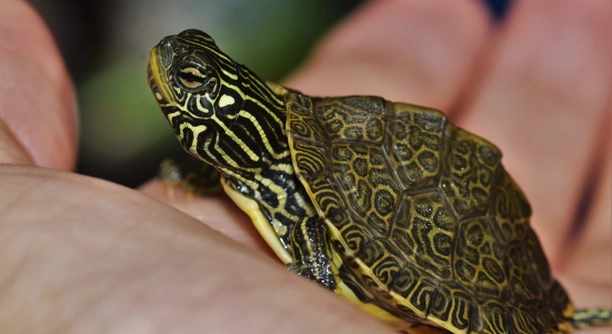
If your map turtle has injured a tank mate, it can cause concern. Understanding how to address this issue is crucial to maintaining peace and health in the tank.
The first step in handling a situation where your map turtle injures a tank mate is to separate them immediately. Injuries can escalate, so providing a calm, safe environment for the injured animal and ensuring the aggressor is isolated is necessary.
Taking quick action helps prevent further harm and gives you time to assess the situation. Understanding how to manage tank mates can prevent future injuries.
Assessing the Injury
After separating your map turtle from its tank mate, it’s essential to assess the injury. Look for signs of bleeding, cuts, or bruising. If the injury is minor, it may heal on its own with a little time. However, if the injury appears serious, it may require immediate care. You should clean the wound with warm, clean water to remove any debris. A gentle, antiseptic solution can help prevent infection, but avoid using harsh chemicals. Keep an eye on the injured tank mate for any signs of distress, such as floating abnormally or not eating.
For more severe injuries, it may be necessary to take the injured animal to a vet for treatment. Minor injuries can often be handled at home, but a vet will have the knowledge and tools to provide appropriate care.
In the meantime, keep the injured animal in a separate, quieter part of the tank to allow for proper healing. Keep the water temperature stable and ensure they are eating and drinking.
Preventing Future Aggression
To prevent further incidents, assess your tank setup. Sometimes, territorial behavior may trigger aggression. Adding hiding spots or separating feeding areas can reduce conflicts.
Map turtles are known to be territorial, and some may act aggressively toward their tank mates, especially when they feel their space is being invaded. If your map turtle has shown aggressive behavior before, it’s important to identify any stressors. Some turtles become aggressive due to overcrowding or lack of space, so consider adding more tank space if needed. Additionally, providing plenty of hiding places for all tank inhabitants can help reduce tension. When each turtle feels it has its own space, there is less likelihood of aggressive behavior.
Make sure to monitor interactions, especially during feeding times. If the aggression continues, consider placing the turtles in separate tanks to ensure they live in a stress-free environment. Keeping your tank well-maintained is key to preventing future issues.
Understanding Aggressive Behavior
Aggression in map turtles can stem from territorial instincts. They may feel the need to defend their space, especially if it’s limited. Identifying the root cause of aggression will help in managing tank mates effectively.
Map turtles can show aggression for various reasons. A lack of space or resources can increase stress and make them more territorial. This may lead to biting, chasing, or other aggressive behaviors toward other tank mates. Observing the behavior and noting patterns can help in addressing the issue. Ensure the tank has enough room for all inhabitants, as crowding often exacerbates aggression. Also, consider the size and species of the other tank mates to ensure compatibility.
If aggression persists, try separating the turtles temporarily. This can give them a break from each other and reduce stress. Observe the interactions between them after reintroducing them to assess whether they’ve calmed down.
Tank Setup and Space
An adequately sized tank can make a huge difference in preventing aggression. Turtles need plenty of space to move around and establish their territory. A cramped environment can create tension among tank mates.
Providing enough space in the tank allows each turtle to have its own area, reducing the chance of territorial disputes. A larger tank also gives them room to explore, swim, and bask comfortably. In a more spacious environment, turtles are less likely to engage in aggressive behavior because they feel less threatened by the presence of others. Keep in mind that adding aquatic plants, decorations, and hiding spots can create a more comfortable environment for all inhabitants, giving them places to retreat if they feel stressed.
Regularly assess the size of the tank. As your turtles grow, their needs will change, and a larger tank may be necessary to accommodate them properly.
Identifying Injuries Early
Pay attention to any signs of injury on your tank mates. Swelling, redness, or open wounds can indicate a problem that requires immediate action. The earlier you identify the injury, the better the chances for successful healing.
Once an injury is noticed, remove the affected turtle from the tank to prevent further harm. Check for any additional signs of stress, such as unusual swimming behavior or loss of appetite. It’s important to monitor the injured animal closely during this time, as stress can worsen the situation.
Water Quality and Healing
Water quality plays a crucial role in the healing process. Clean, well-maintained water helps prevent infections and ensures the injured turtle can recover without additional complications.
Dirty water or improper filtration can introduce harmful bacteria into the tank, leading to further infections. Ensure the water is free of debris and properly filtered. You should also monitor the water temperature and pH levels to make sure they are within safe ranges for the species. Adjusting water conditions is a simple but effective way to support the healing process and reduce the risk of secondary health issues.
Separate Feeding Areas
Consider providing separate feeding areas to reduce competition and aggression during meals. This can help maintain a peaceful tank environment and reduce stress on the injured turtle.
Feeding zones can prevent fighting over food and allow each turtle to eat without being disturbed. By placing food at different areas of the tank, turtles are less likely to feel threatened or engage in aggressive behavior. This also gives the injured turtle space to recover without worrying about other tank mates.
FAQ
What should I do if my map turtle keeps attacking its tank mate?
If your map turtle continues to attack its tank mate, the first step is to separate them. Reevaluate the tank setup to ensure there’s enough space for both turtles. Add hiding spots or objects like plants to give each turtle its own territory. If the aggression persists, consider rehoming one of the turtles or providing separate tanks for each.
Can map turtles live with other species?
Map turtles can live with other species, but compatibility largely depends on the size and temperament of the tank mates. Choose species that are similar in size and avoid keeping smaller turtles or more passive species with map turtles, as they may become targets for aggression. Always monitor interactions closely.
How can I tell if my turtle is stressed?
Turtles show signs of stress in various ways. If your turtle is not eating, swimming erratically, or hiding more than usual, these could be signs of stress. Poor water quality, overcrowding, or aggressive tank mates can all cause stress in turtles. Check the environment and make any necessary adjustments.
How can I prevent injury in my tank?
To prevent injuries, ensure that the tank is large enough for all the turtles to move freely. Add plenty of hiding spots and basking areas to reduce territorial behavior. Monitor feeding time to prevent food-related aggression. Regularly check water conditions to ensure the environment is healthy.
How long should I keep my injured turtle separated from the others?
The length of time your injured turtle needs to be separated depends on the severity of the injury. For minor injuries, a few days of separation may be enough. For more serious injuries, separation may be needed for several weeks to ensure proper healing. Regularly check the injury for any signs of infection.
Can I treat a turtle’s injury at home?
For minor injuries, you can treat your turtle at home by cleaning the wound with warm, clean water and applying a mild antiseptic. However, for more serious injuries or if you notice signs of infection, it’s best to consult a veterinarian who specializes in reptiles. Prompt professional care can prevent complications.
What do I do if my map turtle has a cut or bite?
If your map turtle has a cut or bite, it’s essential to clean the wound immediately. Use clean water and an antiseptic solution made for reptiles. Make sure the tank water is clean and properly filtered to avoid further infection. Monitor the injury for signs of infection, such as redness or swelling.
Should I give my injured turtle any special care?
Injured turtles need a calm and stress-free environment to recover. Keep the tank temperature stable and provide plenty of hiding spots to reduce stress. You can also isolate the injured turtle in a smaller tank with clean water to help it heal. Ensure it has access to food and water during this time.
Can a map turtle recover from a serious injury?
Map turtles can recover from serious injuries, but recovery depends on the extent of the damage. If the injury is severe, it may require veterinary intervention. Even with more minor injuries, it’s important to monitor the turtle’s progress closely and adjust care as needed to ensure it heals properly.
What’s the best way to clean a turtle tank after an injury?
After an injury, cleaning the tank thoroughly is important to prevent infection. Remove any debris and clean the decorations, rocks, and filter. You can use a non-toxic cleaner or boil items like rocks to sanitize them. Make sure the water is clear and the filtration system is working properly to maintain a healthy environment for your turtle.
Final Thoughts
Dealing with aggression or injury in your map turtle requires careful observation and a calm approach. By understanding the behavior and needs of your turtles, you can help prevent aggression and injuries from occurring in the first place. Creating an environment where all tank mates have enough space and resources is crucial for their well-being. Ensuring that your map turtles are not overcrowded, and providing areas where they can retreat if needed, will promote harmony in the tank. Water quality and temperature also play key roles in the overall health of your turtles, helping them feel comfortable and reducing stress.
If an injury does occur, it’s important to act quickly and assess the situation. Isolating the injured turtle can prevent further harm and give it time to heal. Monitoring the wound closely for signs of infection will help prevent complications. If the injury appears serious or doesn’t improve, seeking advice from a reptile veterinarian is always a good option. A vet will provide the best care for your turtle, ensuring that it has the best chance of recovery. While minor injuries can be treated at home, more severe ones require professional care to avoid long-term health issues.
Ultimately, being proactive about tank setup, monitoring interactions, and taking swift action when needed can help prevent issues from arising. A peaceful and well-maintained environment leads to healthier and happier turtles. By taking the time to ensure your map turtles’ needs are met, you are investing in their long-term well-being. Keeping their habitat clean, providing the right tank mates, and addressing any signs of injury or stress promptly will ensure a better quality of life for your turtles. With the right care and attention, your turtles can thrive in their aquatic home.

Hello,
If you enjoy the content that we create, please consider saying a "Thank You!" by leaving a tip.
Every little bit helps us continue crafting quality advice that supports the health, happiness, and well-being of pets around the world, for pets of all shapes, sizes, and species.
We really appreciate the kindness and support that you show us!