
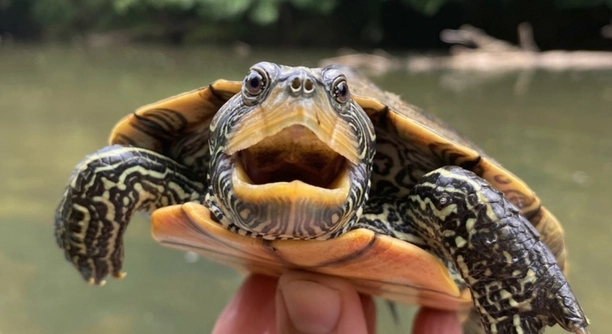
Map turtles are a great choice for beginner turtle owners due to their manageable care requirements. They are known for their unique features and relatively easy maintenance, making them a perfect option for those starting out in reptile care.
Map turtles thrive in simple, controlled environments with a balanced diet and proper tank setup. Their calm demeanor and smaller size make them easier to care for compared to other turtle species, making them an ideal choice for beginners.
Understanding the basic care for map turtles ensures they live a healthy, happy life. With proper attention, they can become a wonderful pet for those new to turtle keeping.
Simple Care Requirements
Map turtles are relatively low-maintenance, which makes them ideal for those starting with reptiles. Their care revolves around creating a proper habitat with an appropriate temperature and clean water. A well-maintained tank with UVB lighting and a basking area is essential for their health. A consistent feeding schedule and occasional water changes will ensure that they thrive.
Despite being beginner-friendly, map turtles still need proper attention to stay healthy. A balanced diet, including insects, pellets, and occasional greens, will keep them well-nourished. Their small size and calm nature allow them to adapt to smaller environments, but they will still need enough space to swim and bask.
Overall, creating a habitat that mimics their natural environment will lead to a healthier and happier turtle. Proper care will make owning a map turtle a rewarding experience. Beginners will find their maintenance manageable with a bit of dedication to their habitat and diet.
Size and Space
Map turtles do not grow too large, which makes them manageable for small tanks. Typically, they reach sizes of about 6 to 10 inches, with females growing slightly larger. They don’t require excessive space compared to larger turtle species.
Though map turtles stay relatively small, they still need enough room to swim and bask comfortably. A 40-gallon tank is usually sufficient for a single adult, but larger tanks are recommended if more than one turtle is kept together. The tank must be equipped with a UVB light to mimic natural sunlight, and water should be maintained at a temperature between 75 and 80 degrees Fahrenheit.
Map turtles enjoy basking, so a flat rock or floating dock is necessary for them to dry off under their heat lamp. A filter is also essential to keep the water clean and free from waste. Regular water changes will prevent the buildup of harmful bacteria. By maintaining a clean and spacious environment, map turtles will feel secure and healthy.
Feeding Map Turtles
Map turtles eat a variety of foods, including insects, fish, and leafy greens. Their diet should be balanced to provide essential nutrients for growth and health. A mix of commercial turtle food, along with fresh vegetables and occasional live food, will meet their nutritional needs.
Feeding map turtles is simple, but it’s important to avoid overfeeding. They should be offered food in moderate amounts once or twice a day. Live insects like crickets or mealworms, along with pellets designed for aquatic turtles, can help ensure they get the protein they need. Fresh vegetables like dandelion greens or kale are a great addition to their diet.
It’s also important to remove uneaten food from the tank to maintain water quality. Overfeeding can lead to water pollution, which is harmful to their health. Providing a varied diet and proper portion sizes will ensure that map turtles stay healthy and energetic. By maintaining a regular feeding schedule, you can easily meet their dietary requirements.
Tank Setup for Map Turtles
A map turtle’s tank setup is key to its well-being. The tank should have both a swimming area and a basking spot. The water level should be deep enough to allow them to dive and swim comfortably but not too deep for easy access to the basking area.
For a suitable basking spot, a flat rock or floating platform will work well. Ensure it’s close enough to the heat lamp so the turtle can warm up. It’s also important to maintain the water temperature between 75-80°F, as cold water can cause health issues. Adding a filtration system to the tank will help keep the water clean and reduce maintenance.
UVB lighting is also crucial, as it helps map turtles absorb calcium and maintain healthy shells. Make sure the lights are on for 10-12 hours a day to mimic natural sunlight. By providing a stable, well-balanced environment, you can help your map turtle live a long, healthy life.
Health Monitoring
Regular health checks are essential for map turtles. Watch for signs of illness such as changes in appetite, lethargy, or shell abnormalities. These may indicate potential problems, such as infections or improper care. Early detection can help prevent more serious health issues from developing.
Check their shells for any signs of damage or softness. A healthy map turtle should have a hard, smooth shell. Also, ensure that their eyes are clear and not swollen, which could signal an infection. Regularly monitor their behavior and feeding habits. If anything seems off, consult a vet familiar with reptiles.
Handling Map Turtles
Map turtles are not very social and prefer minimal handling. When you do need to handle them, be gentle. Avoid grabbing them by the shell, as this can cause stress. Instead, carefully lift them from the sides. Always support their body fully to prevent injury.
Frequent handling should be avoided. Map turtles can get stressed when taken out of their comfortable environment. The less they are handled, the better. Keeping their tank clean and well-maintained will reduce the need for frequent handling. Handling them properly when necessary will help avoid stress-related issues.
Water Maintenance
Maintaining clean water is vital for a map turtle’s health. Using a reliable filtration system will help keep the tank free from debris and waste. Regular water changes are necessary, especially if there is any uneaten food or waste present. Aim to change 25-30% of the water weekly.
Water quality affects their overall health and shell condition. Poor water conditions can lead to infections or shell rot. Keep the water free from chemicals by avoiding any soaps or cleaners when cleaning the tank. Regular testing of water parameters, including pH and ammonia levels, will help keep the water safe for your turtle.
FAQ
How long do map turtles live?
Map turtles typically live for 20 to 30 years with proper care. Their lifespan can vary depending on factors like diet, water quality, and overall tank environment. By providing them with a healthy habitat and regular monitoring, you can help them live to their full potential.
What size tank do map turtles need?
Map turtles need a minimum of a 40-gallon tank for one adult turtle. However, a larger tank is recommended if you’re keeping more than one turtle or if you want to give them extra swimming space. Ensure the tank is deep enough for them to swim comfortably and has enough space for a basking area.
What do map turtles eat?
Map turtles are omnivores. Their diet should consist of a mix of commercial turtle food, vegetables, and live prey such as insects, worms, and small fish. It’s essential to provide them with a balanced diet that includes protein and vegetables to ensure they get the necessary nutrients.
How often should I feed my map turtle?
Feed your map turtle once or twice a day. Offer them enough food that they can finish in about 10 to 15 minutes. Make sure to remove any uneaten food to keep the water clean. This feeding schedule helps maintain their health and prevents overfeeding, which can lead to water contamination.
Do map turtles need UVB lighting?
Yes, UVB lighting is essential for map turtles. It helps them synthesize vitamin D3, which is needed to absorb calcium and maintain healthy shells. The light should be kept on for about 10-12 hours a day to mimic natural sunlight. UVB lights should be replaced regularly to maintain their effectiveness.
Can I keep more than one map turtle together?
You can keep multiple map turtles together, but there are some considerations. Ensure the tank is large enough to accommodate all of them comfortably. Additionally, watch for signs of aggression or territorial behavior. Male turtles may fight, especially during mating season. If this occurs, it may be best to separate them.
What temperature should the water be for map turtles?
The water temperature for map turtles should be between 75°F and 80°F. This range mimics their natural habitat and helps maintain their health. Use a water heater to regulate the temperature, especially in colder environments. Keep the basking area at a slightly higher temperature of around 85°F to 90°F.
How often should I change the water in my map turtle’s tank?
Perform partial water changes weekly, replacing 25% to 30% of the tank’s water. This helps keep the water clean and reduces the buildup of waste and harmful chemicals. You should also monitor the water quality regularly by testing for ammonia, nitrites, and pH levels.
How can I tell if my map turtle is sick?
Signs of illness in map turtles include loss of appetite, lethargy, swollen or cloudy eyes, abnormal shell appearance, and difficulty swimming. If you notice any of these signs, it’s important to consult a reptile vet as soon as possible to prevent the condition from worsening.
Can I use tap water for my map turtle’s tank?
Tap water can be used, but it should be treated to remove chlorine and chloramine, which are harmful to turtles. You can use a water conditioner to neutralize these chemicals. Alternatively, you can use filtered or dechlorinated water to ensure the safety of your turtle.
Do map turtles need a basking area?
Yes, map turtles require a basking area to regulate their body temperature. They need a dry place to climb onto, where they can soak up heat from a basking light. This helps them maintain a healthy shell and aids in digestion. Ensure the basking area is easily accessible.
Are map turtles social?
Map turtles are not very social and tend to be solitary animals. They prefer their own space, and while they may tolerate the presence of other turtles, they do not seek out interaction. It’s best to avoid excessive handling, as this can stress them out.
How big do map turtles get?
Map turtles generally reach sizes of 6 to 10 inches in length. Males tend to be smaller, while females grow slightly larger. Their small size makes them easier to care for, especially in terms of space requirements. Their growth rate depends on their diet, environment, and overall care.
Can map turtles live in a pond?
Yes, map turtles can live in a pond if the environment is suitable. The pond should have clean, warm water, and plenty of basking spots. Ensure the pond is not too deep, and that the water temperature is maintained between 75°F and 80°F. Make sure there are no predators in the pond.
Are map turtles hard to care for?
Map turtles are not particularly difficult to care for, but they do require a stable environment. They need clean water, proper lighting, and a balanced diet. As long as you keep their habitat clean and provide for their basic needs, map turtles can be easy and rewarding pets to care for.
How can I prevent my map turtle from getting shell rot?
To prevent shell rot, maintain proper water quality and keep the tank clean. Regular water changes and ensuring the turtle has access to a dry basking area are important for preventing fungal and bacterial infections. Make sure the water is not too cold, and the turtle is getting enough UVB exposure.
Final Thoughts
Map turtles are a great choice for beginner pet owners who are looking for a manageable, long-term companion. They are relatively low-maintenance compared to other pets, but they still require careful attention to their habitat and diet. The key to keeping them healthy is maintaining clean water, providing proper lighting, and ensuring their diet is balanced. Regular health checks are also essential to prevent any issues before they become serious.
Caring for a map turtle also involves understanding their needs for both land and water spaces. While they spend most of their time in the water, they need a dry basking area where they can soak up warmth from the sun or a UVB light. A proper tank setup that includes these features will ensure your turtle thrives. It’s also important to keep their living environment stress-free, as map turtles are not highly social creatures. Overhandling them can lead to stress and health problems.
By following these basic care guidelines, your map turtle can live a long and healthy life. While they are relatively easy to care for, they still need a stable, clean environment to reach their full potential. If you are committed to providing these simple but necessary elements, your map turtle will be a rewarding and fascinating pet. Whether you are a beginner or experienced reptile owner, taking the time to understand their needs will make all the difference in their well-being.

Hello,
If you enjoy the content that we create, please consider saying a "Thank You!" by leaving a tip.
Every little bit helps us continue crafting quality advice that supports the health, happiness, and well-being of pets around the world, for pets of all shapes, sizes, and species.
We really appreciate the kindness and support that you show us!