
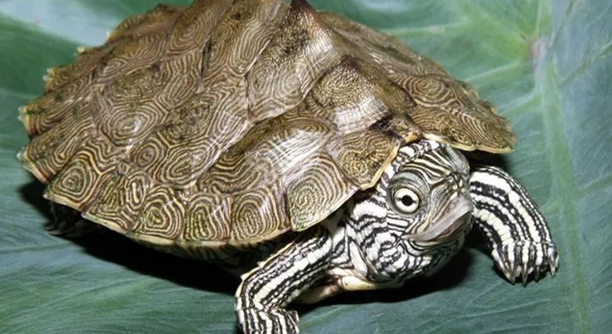
Map turtles are fascinating creatures that can often be spotted climbing out of the water. This behavior can seem unusual, especially when they seem perfectly content in their aquatic homes. Understanding the reasons behind this can help keep them healthy.
Map turtles climb out of the water for various reasons, including basking, seeking a dry area to rest, or escaping unfavorable water conditions. Basking allows them to regulate their body temperature, while dry spots help with molting and resting.
This behavior reveals the natural instincts of map turtles and their need for balance between water and land.
Reasons Map Turtles Climb Out of the Water
Map turtles climb out of the water for a range of natural reasons. Basking is one of the primary motives. Like many reptiles, they need to regulate their body temperature by sunbathing. Dry areas help them warm up, which is essential for their metabolism. Without proper temperature regulation, they can struggle to function properly. Another reason they climb out is to seek a safe place away from predators. Resting on logs, rocks, or even the edge of a pond gives them a sense of security. Turtles are naturally cautious and prefer elevated areas that allow them to survey their surroundings.
Turtles are also known to climb out when the water conditions are unfavorable. Poor water quality or extreme temperatures can prompt them to seek refuge outside. During these times, it’s vital to ensure their habitat is ideal for both aquatic and terrestrial needs. Proper care can prevent stress and health issues.
Map turtles are skilled climbers. They use their sharp claws and strong legs to pull themselves onto various surfaces. This behavior plays a role in their well-being, helping them avoid prolonged exposure to less-than-ideal conditions.
The Benefits of Basking for Map Turtles
Basking plays a key role in maintaining the health of map turtles. It allows them to absorb heat from the sun, which helps regulate their body temperature. Without proper warmth, their ability to digest food and absorb nutrients can be affected.
Basking also aids in maintaining healthy shells. The sun helps prevent fungal infections and promotes the growth of strong, resilient shells. With proper exposure to sunlight, their overall health improves, which in turn boosts their activity levels and overall vitality.
When you notice your map turtle climbing out of the water, consider the possibility that it’s looking for a place to bask. This is a natural and essential behavior. If your turtle isn’t climbing out often enough, providing a basking platform with adequate exposure to light will encourage it. In nature, turtles bask for several hours a day. For pet turtles, a UVB light source can mimic natural sunlight and support their health.
Why Map Turtles Seek Dry Land
Map turtles often seek dry land when they feel the need to escape from overly warm or polluted water. These reptiles are sensitive to water quality, and if it becomes too murky or warm, they instinctively leave the water to find a safer environment.
Finding a dry spot also allows map turtles to rest without the stress of constantly swimming. They are naturally cautious and will leave the water if they sense danger or if it becomes uncomfortable. Dry areas give them a chance to fully relax and recover from the strain of swimming or staying in poor water conditions.
In some cases, map turtles leave the water to search for food or a mate. When they feel secure, they may venture out of their usual aquatic habitat to explore. Ensuring their environment is balanced is essential in keeping them happy and healthy.
Proper Habitat for Map Turtles
To support their natural behavior, map turtles need an environment that offers both aquatic and dry land areas. The water should be clean, with proper filtration and the right temperature range. Without a clean and balanced aquatic setup, map turtles will seek dry land more often, which can lead to stress.
Providing a designated basking area with a heat lamp and UVB light will mimic natural sunlight and encourage healthy basking habits. A raised platform, such as a rock or floating dock, gives them an elevated area to dry off and soak in the warmth. A dry area is just as important as the water itself.
Regular maintenance of their tank or outdoor habitat will help prevent the conditions that might cause map turtles to climb out. With a suitable balance of water and dry land, map turtles can thrive and exhibit more natural behaviors.
Potential Health Concerns for Map Turtles
Map turtles can climb out of the water as a way to escape poor water quality or overcrowded tanks. This can lead to stress and potentially harmful health issues. If left unaddressed, these conditions may result in a weakened immune system or shell problems.
Over time, poor water quality can lead to infections or skin issues, making it crucial to maintain a clean environment. Map turtles are also vulnerable to dehydration when they are out of the water too often. Keeping their water clean and properly filtered will help prevent health problems.
Ensuring Proper Water Temperature and Quality
Map turtles need specific water temperatures to thrive. The water should range between 72°F and 78°F for optimal health. Too hot or too cold can cause stress and may encourage them to leave the water. Monitoring the water temperature with a thermometer will prevent issues.
Maintaining good water quality is equally important. Regular water changes, proper filtration, and water testing can ensure their environment remains clean. Without proper water conditions, map turtles are more likely to climb out in search of relief. This can lead to stress, health issues, and a reduced lifespan.
FAQ
Why do map turtles climb out of the water?
Map turtles climb out of the water mainly for basking, to regulate their body temperature. They need sunlight to maintain proper body heat, as they are cold-blooded reptiles. This behavior also helps them rest and avoid potential predators. If the water is too warm or polluted, they will instinctively leave it to find a safer area.
Can map turtles live outside of water?
Map turtles are semi-aquatic, so they cannot live outside of water permanently. However, they need dry areas to bask and rest. They should be provided with both water for swimming and a dry spot for basking. A tank setup with an aquatic area and a basking platform is essential for their health.
How often should I clean the water for my map turtle?
Water quality is vital for map turtles’ well-being. It’s recommended to clean their tank once a week, changing about 25-50% of the water. In addition to regular water changes, using a good filtration system will help keep the water clean and clear. If the tank has a lot of waste, clean it more often to prevent bacterial buildup.
Can map turtles climb out of a tank on their own?
Yes, map turtles are quite adept at climbing. If your tank setup includes ramps, rocks, or other climbing surfaces, your turtle may try to climb out. It’s important to ensure your tank has a secure lid or barrier to prevent escapes. Turtles are known for being escape artists when given the opportunity.
How long can map turtles stay out of the water?
Map turtles should not remain out of the water for long periods. They need access to water to stay hydrated and to regulate their body temperature. If they stay out for extended periods, they could become dehydrated or stressed. Providing a suitable basking area helps them take breaks without leaving the water for too long.
What type of basking area is best for map turtles?
The best basking area for map turtles should be dry, elevated, and have access to direct or UVB light. A floating platform or submerged rock that allows the turtle to completely dry off is ideal. UVB light is essential for calcium absorption and shell health, so make sure the basking area is under a proper light source.
Do map turtles need UVB light?
Yes, map turtles require UVB light to process calcium and maintain healthy shells and bones. UVB light helps them produce Vitamin D3, which is crucial for calcium absorption. Without UVB light, they could develop shell deformities or metabolic bone disease. Make sure the UVB bulb is replaced every 6-12 months for optimal effectiveness.
How can I tell if my map turtle is stressed?
A stressed map turtle may exhibit behaviors like climbing out of the water frequently, excessive hiding, or changes in appetite. It may also become more aggressive or lethargic. Stress in turtles often comes from poor water quality, inappropriate tank conditions, or lack of sufficient basking areas. Monitoring their behavior and tank conditions will help identify the cause.
What should I do if my map turtle keeps climbing out of the water?
If your map turtle frequently climbs out of the water, check the water quality and temperature first. Poor water conditions could be the reason for the behavior. Ensure the water is clean, with proper filtration, and the temperature is in the recommended range of 72°F to 78°F. Provide a comfortable basking area to reduce their need to leave the water.
How much space do map turtles need in their tank?
Map turtles need ample space to swim and move around. A 40-gallon tank is a good starting point for one adult turtle. Larger tanks are better if you plan on keeping more than one turtle. The water depth should be deep enough for the turtle to swim freely but also provide a secure basking spot above the water.
Can map turtles eat on land?
Yes, map turtles can eat on land. However, they typically prefer to eat in the water, where they feel more secure. If feeding on land, make sure they have access to fresh water at all times to stay hydrated. It’s important to feed them a balanced diet that includes vegetables, protein, and aquatic plants.
What are the signs of a healthy map turtle?
Healthy map turtles are active, alert, and swim well. Their shells should be smooth and free of cracks or soft spots. They should bask regularly without showing signs of distress, and their appetite should be consistent. Healthy turtles also maintain clear eyes and clean skin. Regular vet checkups will help monitor their health.
Can map turtles live with other types of turtles?
Map turtles can live with other turtles, but compatibility depends on the species. It’s important to choose tankmates that have similar temperature and habitat needs. Ensure the tank is large enough to accommodate multiple turtles without overcrowding, as this can lead to stress and aggression. Always observe the interactions to ensure they coexist peacefully.
Are map turtles endangered?
Some species of map turtles are considered vulnerable or endangered due to habitat loss, pollution, and illegal pet trade. It’s essential to support conservation efforts and avoid taking turtles from the wild. If you have a pet map turtle, always ensure they are sourced from reputable breeders.
Final Thoughts
Map turtles are fascinating creatures with specific needs that require careful attention to their environment. Their tendency to climb out of the water is often linked to the search for better basking spots or to avoid uncomfortable water conditions. It is essential to understand their natural behaviors to provide the right care. Keeping their water clean, ensuring the temperature is ideal, and offering a suitable basking area will help keep your map turtle happy and healthy.
Maintaining a well-balanced environment is key. This includes having clean water, proper filtration, and UVB lighting for basking. Map turtles need a balanced diet to stay strong and to promote healthy shell growth. Monitoring their behavior and physical health will ensure that any signs of stress or discomfort are addressed early. A proper setup with sufficient space, water depth, and a suitable basking area is necessary for their well-being. Without these elements, your map turtle might frequently climb out of the water in search of a better environment.
Caring for a map turtle can be rewarding when the right conditions are provided. Understanding their needs and ensuring they have a safe, clean, and healthy living space will make a significant difference in their quality of life. If you find that your map turtle is climbing out of the water frequently, take a moment to evaluate their tank conditions and make adjustments. By providing a proper habitat, you can prevent unnecessary stress and help your turtle thrive for years to come.

Hello,
If you enjoy the content that we create, please consider saying a "Thank You!" by leaving a tip.
Every little bit helps us continue crafting quality advice that supports the health, happiness, and well-being of pets around the world, for pets of all shapes, sizes, and species.
We really appreciate the kindness and support that you show us!