
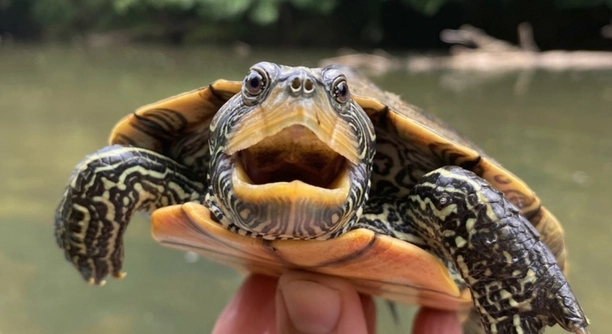
Have you ever wondered why Northern Map Turtles are often referred to as “Geographic” Turtles? Their name sparks curiosity about their unique characteristics. Understanding this connection highlights how nature’s patterns reflect fascinating adaptations in these aquatic reptiles.
Northern Map Turtles are called “Geographic” Turtles due to the intricate, map-like patterns on their shells. These markings resemble contour lines on a geographic map, making them distinctive and easily recognizable among other turtle species.
These turtles’ intricate designs tell a story about their identity and environment. Exploring their unique features reveals the reasons behind their fascinating name and what sets them apart in the animal kingdom.
The Unique Patterns of Northern Map Turtles
Northern Map Turtles are easily identified by the intricate lines on their shells that mimic the appearance of geographic maps. These patterns are not just visually striking but also serve as camouflage in their natural habitat. The thin, yellow lines against a darker background provide excellent concealment in rivers and lakes with rocky or sandy bottoms. Their patterns are more than aesthetic; they play a role in survival, allowing these turtles to blend in and avoid predators.
These turtles are primarily aquatic, spending most of their time swimming or basking on rocks. They are commonly found in slow-moving rivers and lakes across North America. Their diet includes mollusks, insects, and small fish, showcasing their adaptability to various environments.
By observing the shells’ designs and understanding their behavior, it becomes clear why these turtles stand out. Their natural adaptations reveal an intriguing relationship between appearance and survival.
Habitat and Behavior of Northern Map Turtles
Northern Map Turtles thrive in freshwater environments, where they find food and protection. They prefer habitats with plenty of submerged vegetation and rocky substrates, creating an ideal setting for foraging and hiding.
In addition to their unique shells, these turtles are known for their active and social behavior. They bask in groups on rocks and logs, relying on their keen senses to detect danger. While females grow significantly larger than males, both exhibit remarkable agility in the water. Their diets consist primarily of aquatic invertebrates, with females focusing on larger prey due to their size.
Understanding their habitat and behavior helps us appreciate the Northern Map Turtles’ role in freshwater ecosystems. Their ability to adapt to environmental changes and thrive in diverse conditions demonstrates their resilience and importance in maintaining ecological balance.
The Diet of Northern Map Turtles
Northern Map Turtles have a diverse diet that reflects their adaptability. They primarily consume mollusks, insects, and small aquatic organisms, with females eating larger prey due to their size. This diet supports their energy needs and helps maintain their aquatic habitats’ balance.
Their strong jaws allow them to crack open hard-shelled prey like snails and clams, making them effective predators in their environment. Juveniles often eat softer foods like aquatic insects and small fish, which are easier to catch and digest. Their feeding habits vary depending on availability, demonstrating how these turtles adjust to changes in their ecosystems.
This dietary flexibility not only supports their survival but also contributes to controlling populations of certain aquatic species. By consuming mollusks and insects, they play a vital role in maintaining healthy aquatic ecosystems, highlighting their importance in freshwater habitats.
Adaptations for Survival
Northern Map Turtles exhibit unique adaptations that enhance their survival in aquatic environments. Their streamlined shells and powerful limbs make them excellent swimmers, allowing them to escape predators quickly and navigate currents with ease.
Their ability to remain submerged for extended periods is another remarkable feature. They can extract oxygen through specialized skin cells while underwater, reducing the need to surface frequently. This adaptation is particularly advantageous in predator-rich environments, offering them a greater chance of avoiding threats.
These survival traits, combined with their effective camouflage, demonstrate how Northern Map Turtles have evolved to thrive in diverse habitats. Their resilience and adaptability showcase the remarkable ways animals adjust to their surroundings to ensure their survival.
Reproduction of Northern Map Turtles
Northern Map Turtles mate in spring and fall, with females laying eggs in sandy or gravelly areas near water. They prefer sunny spots to ensure the eggs receive adequate warmth for development, which is crucial for hatching success.
The incubation period lasts about two to three months, with hatchlings emerging in late summer or early fall. Temperature during incubation can determine the hatchlings’ sex, a phenomenon seen in many turtle species.
Threats to Northern Map Turtles
Human activities pose significant risks to Northern Map Turtles. Habitat destruction, water pollution, and boating accidents threaten their survival. Conservation efforts focus on habitat protection and public awareness to ensure their populations remain stable and thrive.
Why Northern Map Turtles Matter
Northern Map Turtles contribute to maintaining ecological balance in freshwater ecosystems. Their feeding habits regulate populations of aquatic organisms, highlighting their role as a keystone species in their environment.
FAQ
Why are Northern Map Turtles important to their ecosystems?
Northern Map Turtles play a key role in controlling aquatic populations. Their diet includes mollusks, insects, and small fish, which helps regulate these species’ numbers. By feeding on snails and clams, they also prevent overgrowth, maintaining a balanced ecosystem. Additionally, their presence influences the aquatic food web, supporting healthier habitats for other species.
What is the lifespan of a Northern Map Turtle?
Northern Map Turtles can live for several decades, with an average lifespan of 25 to 30 years in the wild. Some individuals may live even longer under optimal conditions. Their longevity is supported by their adaptability and the protective nature of their shells, which shield them from many threats.
How do Northern Map Turtles protect themselves from predators?
Northern Map Turtles primarily rely on their hard, textured shells for protection. Their shells act as a barrier against predators, while their ability to submerge and remain still in water also provides a means of escape. The intricate markings on their shells help with camouflage, making them harder to spot in their natural environment.
What do Northern Map Turtles need in their habitat?
Northern Map Turtles require a combination of shallow water for feeding and basking sites like rocks or logs. They thrive in freshwater environments with slow-moving rivers, lakes, or wetlands. Vegetation and submerged structures are also important for both shelter and food sources. Their habitat should offer a balance between water and land.
Can Northern Map Turtles be kept as pets?
While Northern Map Turtles can be kept in captivity, they require specific care. They need a large tank with both water and dry basking areas. Providing adequate filtration and heating is essential for their well-being. Captive care can be challenging, and it is recommended only for experienced turtle keepers.
How do Northern Map Turtles find food?
Northern Map Turtles are opportunistic feeders and use their strong jaws to forage for food. They are skilled hunters, catching small fish and aquatic invertebrates. Their keen sense of sight and ability to navigate underwater help them locate prey, particularly in areas with abundant vegetation or rocks.
Are Northern Map Turtles endangered?
Northern Map Turtles are not currently considered endangered, but they face threats such as habitat destruction, pollution, and human activity. Conservation efforts are ongoing to protect their habitats and ensure their populations remain stable. Some local populations may be at risk, prompting action to preserve these turtles in the wild.
What is the breeding season for Northern Map Turtles?
The breeding season for Northern Map Turtles typically occurs in the spring and fall. Females lay their eggs on land, usually in sandy or gravelly areas close to water. The nesting process is essential for the survival of the species, as it provides the next generation with a safe environment to develop.
How do Northern Map Turtles regulate their body temperature?
Northern Map Turtles are ectothermic, meaning they rely on external sources to regulate their body temperature. They bask in the sun to warm themselves and regulate their internal temperature. This behavior is essential for digestion and overall health. During colder months, they may enter a state of brumation, a form of dormancy.
What threats do human activities pose to Northern Map Turtles?
Human activities like habitat destruction, pollution, and boating accidents are significant threats to Northern Map Turtles. Urban development and water pollution can degrade their natural habitats, making it harder for them to find food and shelter. Conservation efforts focus on preserving their ecosystems and reducing human impact.
How can I help protect Northern Map Turtles?
To help protect Northern Map Turtles, support conservation initiatives and avoid disturbing their habitats. Participate in local clean-up efforts to reduce water pollution and protect natural areas. Additionally, educate others about the importance of preserving these turtles and their environments. Respect wildlife laws and avoid collecting them from the wild.
What should I do if I encounter a Northern Map Turtle in the wild?
If you encounter a Northern Map Turtle in the wild, observe from a distance without disturbing it. Do not remove it from its habitat, as it may be nesting or foraging. If the turtle is in a dangerous location, gently move it to a safer spot near water. Always follow local wildlife guidelines.
How do Northern Map Turtles interact with other animals?
Northern Map Turtles are generally solitary and do not form social groups outside of basking areas. However, they may share basking spots with other turtles and species. Their interactions are mostly limited to territorial behaviors, especially when it comes to securing basking locations or hunting grounds.
What is the conservation status of Northern Map Turtles?
Northern Map Turtles are not classified as endangered or threatened at the national level. However, local populations in certain areas face threats from pollution and habitat loss. Conservation organizations are working to protect these turtles by preserving freshwater ecosystems and raising awareness about the importance of their habitats.
Final Thoughts
Northern Map Turtles are fascinating creatures with unique adaptations that help them thrive in their natural environments. Their ability to regulate their body temperature by basking in the sun and remaining submerged for long periods showcases their survival skills. Their diet, which includes mollusks and small fish, not only sustains them but also plays a crucial role in maintaining the balance of aquatic ecosystems. This natural balance helps control populations of smaller creatures, contributing to the overall health of their habitats.
However, like many species, Northern Map Turtles face challenges due to human activities. Habitat loss, pollution, and the risk of being hit by boats are some of the significant threats they encounter. As human development continues to encroach on natural spaces, it is essential to focus on protecting these areas. Conservation efforts are vital to ensuring that Northern Map Turtles continue to thrive in the wild, and habitat preservation is key. Whether through reducing pollution, advocating for clean water sources, or protecting their nesting grounds, each effort plays a part in supporting the survival of these turtles.
For those interested in keeping Northern Map Turtles as pets, it’s important to remember the level of care they require. They need a large, clean environment with access to both water and land for basking. Their specific needs, including water filtration and temperature control, mean that they are best suited to experienced turtle keepers. In the wild, they are an integral part of freshwater ecosystems, and efforts to protect them will ensure they continue to play their part in nature. By understanding their importance and respecting their habitat, we can contribute to their conservation.

Hello,
If you enjoy the content that we create, please consider saying a "Thank You!" by leaving a tip.
Every little bit helps us continue crafting quality advice that supports the health, happiness, and well-being of pets around the world, for pets of all shapes, sizes, and species.
We really appreciate the kindness and support that you show us!