
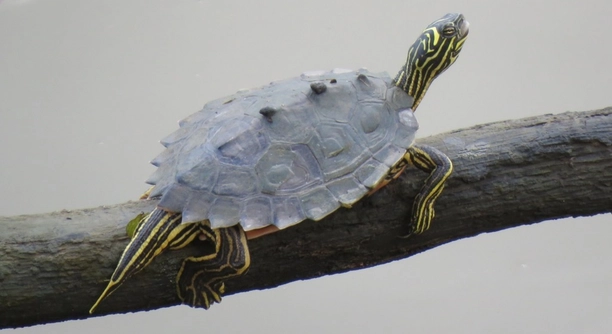
Is your map turtle behaving differently, digging into its substrate more often than usual? This behavior can seem puzzling but has specific causes worth exploring. Understanding why this happens is key to ensuring your pet’s well-being.
Map turtles often dig in the substrate to create hiding spots, regulate body temperature, or seek food. This natural behavior is influenced by environmental factors like temperature, nesting instincts, or stress, and may require adjustments to their habitat.
Exploring the reasons behind this behavior will help you create a comfortable environment for your turtle, ensuring its health and happiness.
Why Map Turtles Dig in Substrate
Map turtles instinctively dig into the substrate for various reasons, ranging from environmental needs to natural instincts. This behavior is a way for them to feel secure, regulate body temperature, or mimic natural actions such as creating nesting spots. Often, digging can also occur due to stress or a lack of adequate hiding spaces in their habitat. Observing their behavior closely will help identify whether adjustments are needed in their living environment, such as adding more hiding spots or ensuring the substrate is suitable for digging.
A proper setup with appropriate substrate and hiding spots can greatly reduce unnecessary digging. Fine sand or small pebbles are ideal choices for their comfort and natural instincts. Ensuring they have enough space to burrow or hide is also critical for their well-being.
Understanding your turtle’s digging habits is essential. Minor tweaks to their habitat can provide the comfort and security they need while keeping them stress-free.
Adjusting Their Habitat
If your turtle’s environment lacks hiding spots or has unsuitable substrate, they may dig excessively. Adding hiding structures like logs or caves can provide security.
Create a habitat that mimics their natural environment. A mix of proper substrate, plants, and hiding spaces helps keep your turtle healthy and happy. Provide adequate water depth for swimming, as it’s essential for their activity and relaxation. Regular cleaning and temperature checks also play a role in maintaining their comfort. Addressing their needs promptly ensures their behavior stays within normal limits, fostering a better connection with your pet while keeping them stress-free.
Signs of Stress in Map Turtles
Excessive digging can indicate stress in map turtles. Other signs include reduced appetite, lethargy, or frequent hiding. Identifying these behaviors early helps address the underlying issues to ensure their comfort and health.
Stress often results from improper environmental conditions such as incorrect temperatures, lack of hiding spots, or overcrowding. For instance, a tank that’s too small can make your turtle feel confined and uneasy. Water quality also plays a significant role; poor conditions can lead to irritation or illness, amplifying stress. Regular maintenance and monitoring are crucial for a healthy habitat.
If stress persists, consult a veterinarian familiar with reptiles. They can help identify medical concerns or recommend specific adjustments to the setup. Paying attention to your turtle’s behavior and environment can prevent long-term issues and support their well-being effectively.
Creating an Ideal Substrate
A suitable substrate should support your turtle’s natural behaviors while ensuring easy maintenance. Sand or small, smooth gravel works best, as it allows them to dig without risking injury. Avoid sharp or large pieces that could harm their delicate skin.
Depth matters when choosing a substrate. A layer about 2–3 inches thick provides enough material for digging without making cleaning too difficult. Combining substrate with plants and decorations enhances the habitat’s overall appeal and functionality. Ensure all additions are safe and non-toxic for reptiles.
By tailoring the substrate to your turtle’s needs, you can reduce stress-related behaviors and create a more engaging environment. The right materials also contribute to their mental stimulation and physical health, keeping your map turtle happy and active.
Common Triggers for Digging
Changes in temperature or lighting can prompt digging. If the tank is too cold or hot, turtles may burrow to regulate body temperature. Consistent environmental conditions are essential to keep them comfortable.
Hunger or lack of enrichment can also lead to digging. Providing a varied diet and interactive elements like floating logs or plants can keep your turtle engaged and reduce this behavior.
Ensuring Proper Water Quality
Maintaining clean water is vital for your turtle’s health and happiness. Poor water quality can lead to irritation, prompting them to dig as a coping mechanism. Use a reliable filtration system and test the water regularly for optimal conditions. Keeping water free from contaminants is essential to prevent stress and illness.
Observing Behavioral Changes
Monitor your turtle closely for changes in behavior. Subtle signs like increased digging or hiding can indicate discomfort. Regular observation helps identify and address issues promptly, ensuring your turtle remains healthy and stress-free.
FAQ
Why is my map turtle digging excessively at night?
Map turtles are naturally active at different times, and nighttime digging may occur due to cooler temperatures or a search for secure resting spots. Ensure the tank’s temperature remains consistent, even during the night, and provide adequate hiding spaces for comfort.
What substrate is best for a map turtle’s habitat?
Fine sand or smooth, small gravel is ideal. These materials allow turtles to dig comfortably without risking injury. Avoid sharp or large substrates, as they can cause cuts or irritations. A substrate layer of 2–3 inches is typically sufficient.
How can I tell if my turtle is stressed from digging?
Signs of stress include constant digging, reduced appetite, lethargy, and excessive hiding. Observe changes in behavior and ensure the habitat meets their needs, including proper temperature, water quality, and enough hiding areas. Addressing these factors usually resolves stress-related behaviors.
Should I stop my turtle from digging?
No, digging is a natural behavior for map turtles. Instead of stopping it, focus on creating an environment where they can dig safely. This includes providing appropriate substrate and ensuring other environmental factors, like lighting and water quality, are optimal.
Can digging be a sign of illness?
Yes, if accompanied by other symptoms like lethargy, swelling, or unusual behavior, digging could indicate an underlying health issue. Consult a veterinarian experienced with reptiles to rule out illness and receive guidance on necessary care.
Does nesting cause digging in female turtles?
Yes, female turtles may dig to create nesting spots, especially during egg-laying periods. If you suspect this, consider adding a nesting box with soft substrate to accommodate their needs. This can help them feel more secure and prevent stress.
How can I enrich my turtle’s environment to reduce digging?
Introduce interactive elements like plants, floating logs, and rocks. These additions stimulate natural behaviors and keep your turtle engaged. A varied diet and regular maintenance of the habitat also contribute to their overall satisfaction and health.
What temperature should I maintain to prevent digging?
Maintain a basking area temperature between 85–90°F and water temperatures around 75–80°F. Temperature fluctuations can cause discomfort, leading to excessive digging. Use a reliable thermometer to monitor and maintain consistent conditions in the tank.
Is digging harmful to my turtle?
Digging itself is not harmful; it’s a natural behavior. However, if the substrate is unsafe or the behavior becomes excessive, it may lead to stress or injuries. Ensure the environment is safe and suitable to prevent any negative effects.
How can I tell if my turtle is digging out of boredom?
If your turtle is digging frequently despite having a suitable environment, they may lack enrichment. Adding interactive features like climbing areas, hiding spots, and toys can help reduce boredom and promote healthier, more engaging activities.
Final Thoughts
Creating a safe and engaging environment for your map turtle is essential to their health and happiness. Digging is a natural behavior, but excessive digging can indicate stress, boredom, or environmental issues. By addressing factors like substrate type, temperature, water quality, and enrichment, you can help your turtle feel more comfortable and reduce unwanted behaviors. Regular observation of your turtle’s habits is key to identifying changes and ensuring their needs are met.
Maintaining consistent care ensures your map turtle thrives in their habitat. A well-maintained tank with the right balance of hiding spaces, interactive elements, and proper substrate not only supports their physical health but also contributes to their mental stimulation. Addressing concerns like frequent digging or other unusual behaviors early can prevent long-term stress or illness. Consulting a reptile-savvy veterinarian when issues arise adds another layer of support for your turtle’s well-being.
Caring for a map turtle requires attention to detail and commitment, but the reward of seeing them thrive makes it worthwhile. By providing a safe and stimulating habitat, you ensure they live a happy and healthy life. Small adjustments and regular monitoring can make a significant difference, creating a better experience for both you and your turtle.

Hello,
If you enjoy the content that we create, please consider saying a "Thank You!" by leaving a tip.
Every little bit helps us continue crafting quality advice that supports the health, happiness, and well-being of pets around the world, for pets of all shapes, sizes, and species.
We really appreciate the kindness and support that you show us!